

Hey there! As a supplier of water-based lamination adhesive, I often get asked if our product can be used for bonding porous materials. Well, let's dive right into this topic and find out.
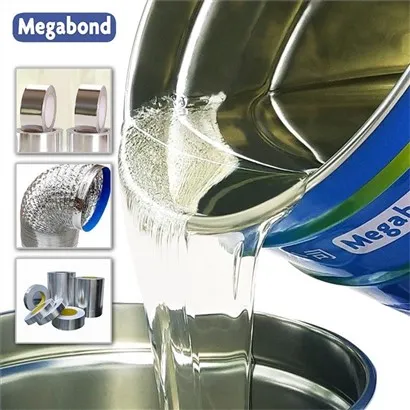
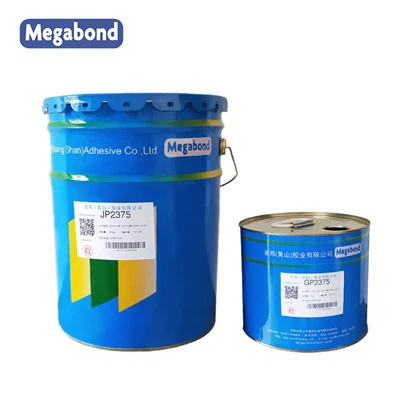
First off, let's talk about what water-based lamination adhesive is. It's an adhesive that uses water as the solvent instead of harsh chemicals. This makes it more environmentally friendly and safer to use. Our Water-based Acrylic Laminating Adhesive is a prime example of such a product. It offers good adhesion, flexibility, and durability, which are important factors when it comes to bonding different materials.
Now, onto porous materials. Porous materials have tiny holes or pores on their surface. These pores can absorb liquids, which can affect how an adhesive bonds to the material. Some common porous materials include wood, paper, fabric, and certain types of plastics.
So, can our water-based lamination adhesive work on these porous materials? The answer is yes, in many cases. But there are a few things to consider.
How it Works on Porous Materials
When our water-based lamination adhesive is applied to a porous material, the water in the adhesive starts to evaporate. As the water evaporates, the adhesive solidifies and forms a bond with the material. The porous nature of the material actually helps in some ways. The pores can act like little pockets that the adhesive can seep into, creating a mechanical interlock. This interlock can enhance the bond strength.
For example, when bonding wood, the adhesive can penetrate the wood's pores. This not only provides a strong physical bond but also helps to seal the wood, protecting it from moisture and other environmental factors. Similarly, when used on paper, the adhesive can soak into the paper fibers, creating a firm bond that holds the layers together.
Advantages of Using Water-Based Adhesive on Porous Materials
One of the big advantages is the environmental aspect. As mentioned earlier, water-based adhesives are more eco-friendly compared to solvent-based ones. They emit fewer volatile organic compounds (VOCs), which are harmful to the environment and human health. This is especially important when working with materials like wood and paper, which are often used in indoor settings.
Another advantage is the ease of use. Water-based adhesives are generally easier to clean up. If you spill some on your work surface, you can simply wipe it off with water. This is a huge plus, especially in a busy production environment.
The flexibility of the adhesive is also beneficial. Porous materials can expand and contract with changes in temperature and humidity. Our water-based lamination adhesive can accommodate these changes without losing its bond strength. This means that the bonded materials will stay together even under different environmental conditions.
Challenges and Considerations
However, there are also some challenges when using water-based adhesive on porous materials. One of the main challenges is the drying time. Since the adhesive relies on the evaporation of water, it can take longer to dry compared to solvent-based adhesives. This can slow down the production process, especially if you're working on a large scale.
The porosity of the material can also vary. Some materials may be more porous than others, and this can affect the bond strength. For instance, a very porous material may absorb too much of the adhesive, leaving less on the surface to form a proper bond. On the other hand, a less porous material may not allow the adhesive to penetrate enough, resulting in a weaker bond.


The moisture content of the porous material is another important factor. If the material is too wet, it can interfere with the drying process of the adhesive. The excess moisture can prevent the adhesive from solidifying properly, leading to a weak bond. So, it's important to make sure the porous material is at the right moisture level before applying the adhesive.
Tips for Using Water-Based Lamination Adhesive on Porous Materials
To get the best results, here are some tips:
- Prepare the surface: Make sure the porous material is clean and free of dust, dirt, and grease. You can use a mild detergent and water to clean the surface, and then let it dry completely.
- Test the adhesive: Before starting a large project, it's a good idea to do a small test on a sample of the porous material. This will help you determine if the adhesive works well with the material and if any adjustments need to be made.
- Control the application thickness: Apply the adhesive evenly and at the right thickness. Too much adhesive can lead to longer drying times and may cause the adhesive to seep through the porous material. Too little adhesive may result in a weak bond.
- Provide proper ventilation: Good ventilation is important to help the water in the adhesive evaporate. This will speed up the drying process and ensure a strong bond.
Conclusion
In conclusion, water-based lamination adhesive can definitely be used for bonding porous materials. It offers many advantages, such as environmental friendliness, ease of use, and flexibility. However, there are also some challenges that need to be addressed, such as drying time and surface preparation. By following the tips mentioned above, you can achieve a strong and durable bond when using our water-based adhesive on porous materials.
If you're interested in our Water-based Acrylic Laminating Adhesive or have any questions about using it on porous materials, feel free to reach out. We're here to help you find the best adhesive solution for your needs. Let's start a conversation and see how we can work together to achieve great results!
References
- ASTM International. "Standard Test Methods for Strength Properties of Adhesive Bonds in Shear by Tension Loading." ASTM D1002 - 10(2019).
- European Adhesive Tape Association. "Adhesive Basics: Types of Adhesives and Their Applications." 2020.