

Hey there! If you're in the business of working with glass or films, you might've wondered, "Can film lamination adhesive be used on glass?" Well, you've come to the right place. I'm from a film lamination adhesive supply company, and I'm here to break it all down for you.
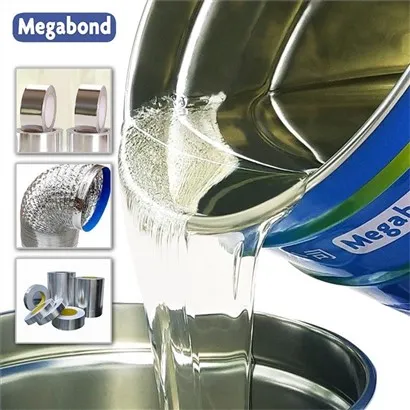
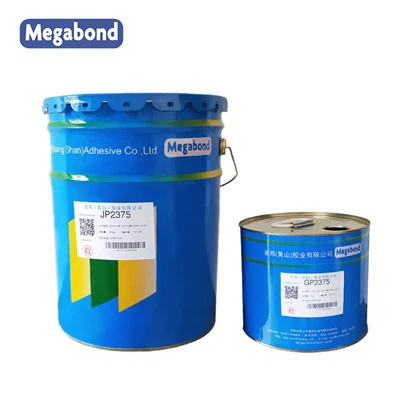
First off, let's understand what film lamination adhesive is. It's a special kind of glue that's designed to stick different types of films together. There are various types out there, like Solvent-based Film Laminating Adhesive. This type is often used in packaging and other industries where you need a strong bond between films.
Now, onto the big question - can it be used on glass? The answer is, it depends. Film lamination adhesives are formulated with specific properties in mind, mainly to bond films. But glass has its own unique characteristics. Glass is smooth, non - porous, and chemically stable in most cases. These properties mean that not all film lamination adhesives will work well on glass.
Some film lamination adhesives are designed to have a wide range of bonding capabilities. For example, Solvent-based 125℃ Anti-Retorting Laminating Adhesive is a bit more versatile. It's made to withstand high temperatures and can potentially form a bond with glass. However, you need to do some testing first.
When considering using a film lamination adhesive on glass, there are a few factors to keep in mind.
Surface Preparation
The surface of the glass has to be super clean. Any dirt, grease, or fingerprints can prevent the adhesive from bonding properly. You should clean the glass with a suitable glass cleaner and make sure it's completely dry before applying the adhesive.
Compatibility
As I mentioned earlier, not all adhesives are compatible with glass. Some adhesives might not adhere well because of the chemical composition of the glass and the adhesive. You need to check the technical data sheet of the adhesive to see if it mentions glass as a suitable substrate. If it doesn't, it's risky to use it.
Bond Strength
The bond strength required depends on your application. If you're using the glass in a project where there won't be much stress on the bond, a less - strong adhesive might work. But if the glass is going to be subject to vibrations, impacts, or other forces, you'll need a high - strength adhesive. For more challenging environments, Solvent-based Anti-Chemicals Polyether Laminating Adhesive could be a good option. It's designed to resist chemicals and can potentially provide a strong bond on glass.
Application Method
The way you apply the adhesive also matters. Some film lamination adhesives are applied using a roller, while others might be sprayed. You need to follow the manufacturer's instructions carefully. If the application method isn't right, it can affect the bond quality.
Let's talk about some of the potential applications of using film lamination adhesive on glass.
Decorative Glass
You can use a film lamination adhesive to stick decorative films on glass. This could be for interior design purposes, like adding privacy films to office glass partitions or creating unique patterns on glass doors.
Solar Films
Solar films are used to reduce heat and glare in buildings. By using a suitable film lamination adhesive, you can bond these solar films to glass windows effectively.
Safety Films
Safety films are applied to glass to prevent it from shattering into sharp pieces in case of breakage. A strong film lamination adhesive is crucial to ensure that the film stays attached to the glass.
However, there are also some challenges.
Long - Term Durability
Glass is exposed to various environmental conditions, such as sunlight, humidity, and temperature changes. These factors can affect the long - term durability of the adhesive bond. Over time, the adhesive might start to degrade, causing the film to peel off.
Aesthetic Concerns
If the adhesive isn't applied properly, it can leave visible marks or bubbles between the film and the glass. This can ruin the aesthetic appeal of the glass.


So, what should you do if you're thinking about using film lamination adhesive on glass?
First, start with a small - scale test. Take a sample of the glass and the film you want to use, and apply a small amount of the adhesive. Let it cure according to the manufacturer's instructions and then check the bond strength and appearance.
If the test is successful, you can proceed with the full - scale application. But always keep in mind that different batches of adhesive might have slightly different properties, so it's a good idea to check again with each new batch.
At our company, we offer a range of film lamination adhesives that might be suitable for glass applications. We've got the technical expertise to help you choose the right adhesive for your specific needs. Whether you're working on a small DIY project or a large - scale commercial installation, we can provide you with the guidance and products you need.
If you're interested in learning more about our products or have any questions about using film lamination adhesive on glass, don't hesitate to reach out. We're here to help you make the right choice and ensure a successful project.
In conclusion, while it's possible to use film lamination adhesive on glass, it requires careful consideration of several factors. With the right adhesive, proper surface preparation, and correct application, you can achieve a strong and durable bond between the film and the glass.
References
- General knowledge about film lamination adhesives and glass bonding from industry experience.
- Technical data sheets of the mentioned adhesives from our company's product information.