

Can water based lamination adhesive be used in UV - exposed environments?
As a supplier of water based lamination adhesives, I often get asked about the suitability of our products in various environments, especially those exposed to ultraviolet (UV) light. This is a crucial question for many industries, including packaging, printing, and signage, where products may be subjected to sunlight or artificial UV sources. In this blog post, I will explore the properties of water based lamination adhesives and their performance in UV - exposed environments.
Understanding Water Based Lamination Adhesives
Water based lamination adhesives are formulated with water as the primary solvent. They offer several advantages over solvent - based adhesives, such as lower volatile organic compound (VOC) emissions, which are more environmentally friendly and safer for workers. These adhesives typically contain polymers, resins, and additives that provide bonding strength, flexibility, and other desired properties.
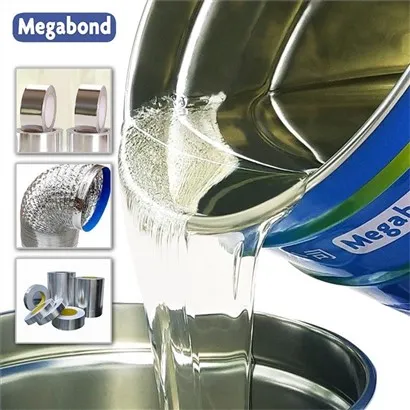
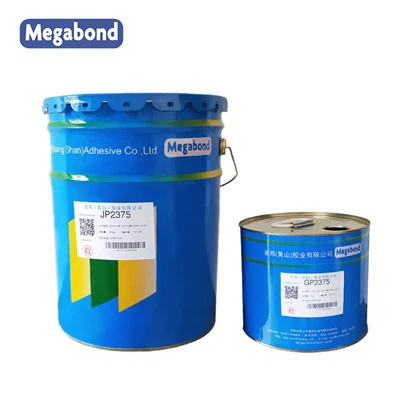
Our Water-based Acrylic Laminating Adhesive is a prime example of a high - quality water based lamination adhesive. It is designed to provide excellent adhesion between different substrates, such as paper, cardboard, plastic films, and metal foils. The acrylic polymers in the adhesive offer good flexibility and durability, making it suitable for a wide range of applications.
The Impact of UV Exposure on Adhesives
UV light can have several detrimental effects on adhesives. One of the most significant issues is photodegradation. When an adhesive is exposed to UV light, the energy from the light can break the chemical bonds in the adhesive's polymers. This leads to a reduction in the adhesive's molecular weight, which in turn can cause a loss of strength, flexibility, and adhesion.
Over time, the adhesive may become brittle, crack, or peel off from the substrates. In addition, UV exposure can also cause discoloration of the adhesive, which may be a cosmetic concern, especially in applications where the appearance of the laminated product is important.
Performance of Water Based Lamination Adhesives in UV - Exposed Environments
The performance of water based lamination adhesives in UV - exposed environments depends on several factors.
Polymer Type
The type of polymer used in the adhesive formulation plays a crucial role. Some polymers are more resistant to UV degradation than others. For example, acrylic polymers generally have better UV resistance compared to some other types of polymers. Our water based acrylic laminating adhesive contains high - quality acrylic polymers that have been formulated to provide a certain level of UV resistance. However, it is important to note that even acrylic polymers will eventually degrade under prolonged and intense UV exposure.
Additives
Additives can be incorporated into the adhesive formulation to enhance its UV resistance. UV stabilizers are commonly used additives. These stabilizers work by absorbing the UV light and dissipating the energy in a less harmful way, preventing it from breaking the polymer bonds. Antioxidants can also be added to prevent oxidation reactions that can be accelerated by UV exposure.
Coating Thickness
The thickness of the adhesive coating can also affect its performance in UV - exposed environments. A thicker coating may provide more protection against UV light, as the outer layers of the adhesive can absorb and dissipate the UV energy before it reaches the inner layers. However, a very thick coating may also cause issues such as longer drying times and potential problems with the lamination process.
Case Studies and Real - World Applications
In some short - term outdoor applications, such as temporary signage or packaging that will only be exposed to sunlight for a few weeks, our water based lamination adhesive has shown satisfactory performance. For example, a local printing company used our adhesive to laminate a promotional poster that was displayed outdoors for a month. After the month - long exposure, the lamination remained intact, and there was only minor discoloration of the adhesive.
However, for long - term outdoor applications, such as permanent outdoor signage or products that will be exposed to direct sunlight for years, additional protective measures may be required. One option is to use a UV - resistant topcoat over the laminated product. This topcoat can act as a barrier, preventing the UV light from reaching the adhesive.
Recommendations for Using Water Based Lamination Adhesives in UV - Exposed Environments
If you are considering using our water based lamination adhesive in a UV - exposed environment, here are some recommendations:

Assess the Exposure Conditions
Determine the intensity and duration of UV exposure. If the product will be exposed to direct sunlight for long periods, it may be necessary to take additional precautions.
Consider Protective Coatings
As mentioned earlier, applying a UV - resistant topcoat can significantly improve the durability of the laminated product.
Test the Adhesive
Before using the adhesive in a large - scale application, conduct small - scale tests under the actual UV exposure conditions. This will help you evaluate the performance of the adhesive and determine if it meets your requirements.
Conclusion
In conclusion, while water based lamination adhesives, especially those based on acrylic polymers, can offer a certain level of performance in UV - exposed environments, they are not completely immune to the effects of UV light. For short - term or less intense UV exposure, our water based acrylic laminating adhesive can be a suitable choice. However, for long - term and high - intensity UV exposure, additional protective measures should be considered.
If you are interested in learning more about our water based lamination adhesives or have specific requirements for your UV - exposed applications, we encourage you to contact us for a detailed discussion. Our team of experts can provide you with more information and help you select the most appropriate adhesive for your needs. We are always ready to assist you in finding the best solutions for your lamination projects.
References
- “Handbook of Adhesive Technology” by Skeist, I.
- “Polymer Degradation and Stabilization” by Scott, G.