

As a dedicated supplier of PVC laminating glue, I've witnessed firsthand the diverse applications and performance requirements of this essential product. PVC laminating glue is widely used in various industries, from packaging to automotive interiors, where it bonds PVC films to different substrates. One critical aspect that often comes under scrutiny is how this glue performs under pressure. In this blog, we'll delve into the science behind PVC laminating glue and explore its behavior when subjected to different pressure conditions.
Understanding PVC Laminating Glue
Before we discuss its performance under pressure, let's first understand what PVC laminating glue is. PVC laminating glue is a specialized adhesive designed to bond PVC films to a variety of substrates, such as wood, metal, plastic, and paper. These glues are formulated to provide strong adhesion, flexibility, and resistance to environmental factors like heat, moisture, and chemicals.
There are different types of PVC laminating glues available in the market, including solvent-based, water-based, and hot-melt adhesives. Each type has its own unique properties and applications. Solvent-based glues, for example, offer excellent adhesion and fast drying times, making them suitable for high-speed production lines. Water-based glues, on the other hand, are more environmentally friendly and have lower VOC emissions, making them a popular choice for indoor applications.
The Impact of Pressure on PVC Laminating Glue
Pressure plays a crucial role in the bonding process of PVC laminating glue. When pressure is applied during the lamination process, it helps to spread the glue evenly across the substrate and the PVC film, ensuring maximum contact and adhesion. Pressure also helps to remove any air bubbles that may be trapped between the layers, which can weaken the bond.
However, too much pressure can also have a negative impact on the performance of the glue. Excessive pressure can cause the glue to squeeze out from the edges of the laminate, leading to a messy appearance and potential bonding issues. It can also cause the PVC film to stretch or deform, which can affect the overall quality of the finished product.
Performance Under Different Pressure Conditions
To understand how PVC laminating glue performs under pressure, let's consider different pressure conditions commonly encountered in industrial applications.
Low Pressure
In some applications, such as light-duty laminating or when bonding delicate substrates, low pressure may be sufficient. Low pressure allows the glue to flow and spread evenly without causing damage to the substrate or the PVC film. It also helps to prevent the glue from squeezing out, resulting in a clean and professional-looking finish.
However, low pressure may not be suitable for all applications. In some cases, it may not provide enough force to ensure a strong bond between the layers. This can lead to delamination or peeling over time, especially in high-stress environments.
Medium Pressure
Medium pressure is commonly used in most industrial laminating applications. It provides a good balance between spreading the glue evenly and ensuring a strong bond. Medium pressure helps to remove air bubbles and promotes intimate contact between the substrate and the PVC film, resulting in a durable and reliable bond.
When using medium pressure, it's important to control the pressure evenly across the entire surface of the laminate. Uneven pressure can cause variations in the bond strength, leading to weak spots or areas of delamination.
High Pressure
High pressure is typically used in applications where a very strong bond is required, such as in heavy-duty laminating or when bonding high-strength substrates. High pressure helps to compress the layers together, increasing the contact area and improving the bond strength.
However, high pressure also requires careful consideration. It can generate a significant amount of heat, which can affect the properties of the glue and the PVC film. It's important to use a glue that is designed to withstand high pressure and temperature conditions to ensure a successful lamination process.
Factors Affecting Performance Under Pressure
In addition to pressure, several other factors can affect the performance of PVC laminating glue under pressure. These factors include:
Substrate Material
The type of substrate material can have a significant impact on the bond strength and performance of the glue. Different substrates have different surface energies, porosity, and chemical compositions, which can affect how the glue adheres to them. For example, smooth and non-porous substrates may require a different type of glue or surface treatment to ensure a strong bond compared to rough and porous substrates.
PVC Film Properties
The properties of the PVC film, such as its thickness, flexibility, and surface finish, can also affect the performance of the glue under pressure. Thicker films may require more pressure to ensure a proper bond, while flexible films may be more prone to stretching or deformation under high pressure.
Glue Formulation
The formulation of the PVC laminating glue plays a crucial role in its performance under pressure. Different glue formulations have different viscosities, drying times, and bonding strengths, which can affect how they behave under pressure. It's important to choose a glue that is specifically formulated for the intended application and pressure conditions.

Our Product Range
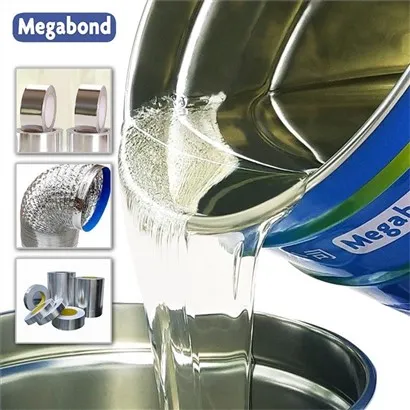
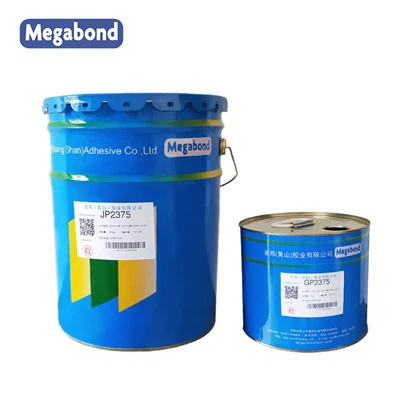
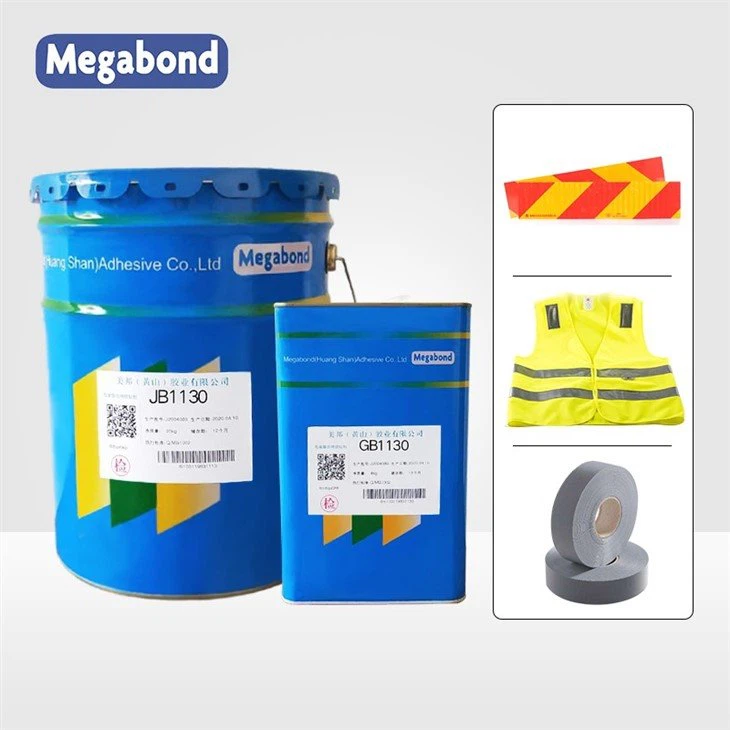
As a leading supplier of PVC laminating glue, we offer a wide range of high-quality products to meet the diverse needs of our customers. Our products include Solvent-based Metal Plastic Tinplate Laminating PU Glue, Solvent-based AL Copper Material Laminating Adhesive, and Solvent-based Reflective Beads Laminating Adhesive.
Our solvent-based glues are formulated to provide excellent adhesion, fast drying times, and high bond strength. They are suitable for a wide range of substrates, including metal, plastic, tinplate, AL copper material, and reflective beads. Our glues are also designed to withstand different pressure conditions, ensuring reliable performance in various industrial applications.
Contact Us for Procurement
If you're interested in learning more about our PVC laminating glue products or have specific requirements for your application, we'd love to hear from you. Our team of experts is available to provide you with technical support, product recommendations, and pricing information. Contact us today to start a discussion about your procurement needs and discover how our high-quality PVC laminating glue can enhance the performance of your products.
References
- "Adhesive Bonding: Science, Technology, and Applications" by A. V. Pocius
- "Handbook of Adhesive Technology" edited by A. Pizzi and K. L. Mittal
- "Polymer Adhesives: Structure and Properties" by S. S. Voyutskii