

In the realm of packaging and manufacturing, the use of recycled materials has become increasingly popular due to growing environmental concerns. As a supplier of solvent-based lamination adhesives, I often get asked whether our products work well with recycled materials. This blog post aims to explore this question in detail, providing scientific insights and practical considerations.
Understanding Solvent-Based Lamination Adhesives
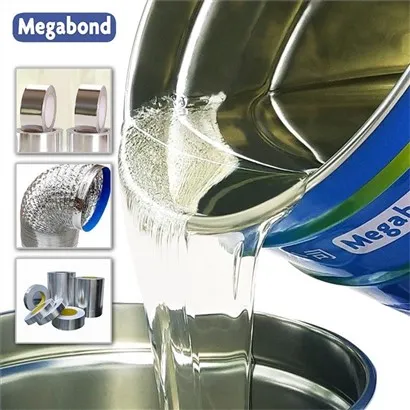
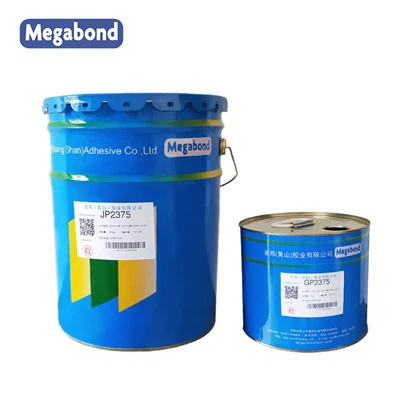
Solvent-based lamination adhesives are widely used in the packaging industry for bonding different layers of materials together. These adhesives consist of a polymer dissolved in a solvent. When the solvent evaporates, the polymer forms a strong bond between the substrates. Our company offers a range of solvent-based lamination adhesives, including Solvent-based AL-plating Film Laminating Adhesive, Solvent-based Film Laminating Adhesive, and Solvent Based 135℃ Anti-Retorting Laminating Adhesive.
The advantages of solvent-based lamination adhesives include excellent adhesion strength, good chemical resistance, and the ability to bond a wide variety of substrates. They can provide a high-quality finish and are suitable for applications where durability and performance are crucial.
Characteristics of Recycled Materials
Recycled materials come from post-consumer or post-industrial waste. They can include recycled plastics, papers, and films. The properties of recycled materials can vary significantly depending on the source, the recycling process, and the additives used.
One of the main challenges with recycled materials is their surface characteristics. Recycling processes can alter the surface energy, roughness, and chemical composition of the materials. For example, recycled plastics may have contaminants, oxidation products, or uneven surfaces, which can affect the adhesion of the adhesive.
Factors Affecting Adhesion with Recycled Materials
Surface Energy
Surface energy is a critical factor in adhesion. Adhesives bond better to substrates with higher surface energy. Recycled materials may have lower surface energy compared to virgin materials due to surface contamination or degradation during the recycling process. To improve adhesion, surface treatment methods such as corona treatment, plasma treatment, or primer application can be used to increase the surface energy of the recycled materials.
Contaminants
Recycled materials can contain various contaminants, such as dirt, grease, and residual chemicals. These contaminants can act as a barrier between the adhesive and the substrate, preventing proper bonding. Thorough cleaning and pre-treatment of the recycled materials are essential to remove contaminants and ensure good adhesion.
Material Compatibility
The chemical composition of the recycled material also plays a role in adhesion. Some recycled materials may have incompatible chemical groups with the adhesive, which can lead to poor bonding. It is important to select an adhesive that is compatible with the specific type of recycled material being used. Our solvent-based lamination adhesives are formulated to have good compatibility with a wide range of materials, but it is still necessary to conduct compatibility tests before large-scale production.
Performance of Solvent-Based Lamination Adhesives with Recycled Materials
Adhesion Strength
In many cases, our solvent-based lamination adhesives can achieve satisfactory adhesion strength with recycled materials when the appropriate surface treatment and pre-treatment steps are taken. For example, when bonding recycled plastic films, proper corona treatment can significantly improve the adhesion strength. Our Solvent-based Film Laminating Adhesive has been tested on various recycled plastic films and has shown good bonding performance after surface treatment.
Durability
The durability of the bonded structure is another important aspect. Solvent-based lamination adhesives can provide good durability in terms of resistance to heat, moisture, and chemicals. When used with recycled materials, the durability also depends on the quality of the recycled materials themselves. For instance, in applications where the package will be exposed to high temperatures or harsh chemicals, our Solvent Based 135℃ Anti-Retorting Laminating Adhesive can be a suitable choice, even with recycled substrates.


Case Studies
Recycling Plastic Films
A packaging company was using recycled plastic films for their product packaging. They initially had problems with poor adhesion when using a different adhesive. After switching to our Solvent-based Film Laminating Adhesive and performing corona treatment on the recycled films, they achieved excellent adhesion strength and improved the quality of their packaging.
Recycling Paperboard
Another case involved a company using recycled paperboard for laminated cartons. By using our solvent-based lamination adhesive and pre-treating the paperboard with a primer, they were able to achieve a strong bond between the layers and ensure the durability of the cartons.
Practical Considerations for Using Solvent-Based Adhesives with Recycled Materials
Testing
Before full-scale production, it is essential to conduct adhesion tests on samples of the recycled materials using the selected adhesive. This can help identify any potential issues and optimize the bonding process. We offer technical support to our customers, including providing sample adhesives for testing and assisting with test methods.
Process Optimization
The lamination process parameters, such as temperature, pressure, and drying time, also need to be optimized for recycled materials. Higher temperatures may be required to ensure complete solvent evaporation and proper curing of the adhesive, especially when dealing with recycled materials with lower heat resistance.
Conclusion
In conclusion, solvent-based lamination adhesives can work well with recycled materials when the right conditions are met. By understanding the factors affecting adhesion, taking appropriate pre-treatment steps, and optimizing the lamination process, high-quality bonding can be achieved. Our range of solvent-based lamination adhesives, including Solvent-based AL-plating Film Laminating Adhesive, Solvent-based Film Laminating Adhesive, and Solvent Based 135℃ Anti-Retorting Laminating Adhesive, are designed to provide reliable performance with recycled materials.
If you are interested in using our solvent-based lamination adhesives for your recycled material applications, we invite you to contact us for further discussion and procurement. Our team of experts is ready to assist you in selecting the right adhesive and optimizing your lamination process.
References
- ASTM D903 - Standard Test Method for Peel or Stripping Strength of Adhesive Bonds
- Kinloch, A. J. (1987). Adhesion and Adhesives: Science and Technology. Chapman and Hall.
- Mittal, K. L. (Ed.). (1996). Adhesion Science and Engineering: Surfaces, Chemistry, and Applications. VSP.