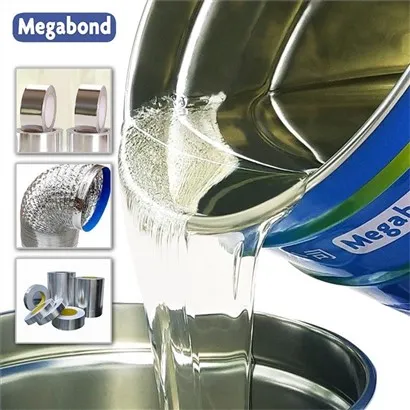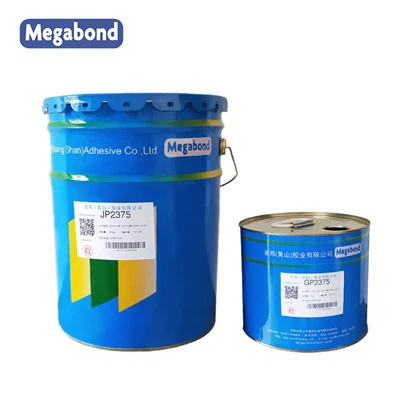


Hey there! I'm a supplier of Polyurethane Glue laminating glue, and today I wanna chat about how this amazing stuff holds up under pressure.
First off, let's understand what polyurethane laminating glue is. It's a type of adhesive that's widely used in various industries for laminating different materials together. Whether it's bonding metal to plastic, copper to aluminum, or for insulation purposes, this glue has got you covered.
So, how does it perform when there's pressure involved? Well, one of the key features of polyurethane laminating glue is its excellent bonding strength. When two materials are joined together using this glue, it forms a strong and durable bond that can withstand a fair amount of pressure.
Let's take a look at some real - world scenarios. In the metal - plastic lamination industry, products often face mechanical stress and pressure during handling, transportation, and use. Our Solvent-based Metal Plastic Tinplate Laminating PU Glue is designed to handle these situations like a champ. The glue penetrates the surfaces of the metal and plastic, creating a molecular - level bond that resists separation even when there's significant pressure applied.
For example, in the production of tinplate containers for food or other goods, the containers need to be able to withstand stacking pressure in warehouses and during shipping. The polyurethane laminating glue ensures that the layers of metal and plastic stay firmly attached, preventing any leakage or damage.
In the case of AL copper material lamination, the Solvent-based AL Copper Material Laminating Adhesive is crucial. Copper and aluminum are both metals with different properties, and when they're laminated together, they might be exposed to thermal stress and mechanical pressure. The polyurethane glue has the ability to adapt to the different expansion and contraction rates of these metals, maintaining a stable bond under pressure. This is especially important in electronic components where the laminated AL - copper parts need to function reliably under various environmental conditions.


Another area where pressure resistance is vital is in insulation laminating. The Solvent-based DMD Insulation Laminating Adhesive is used to bond insulation materials. In electrical equipment, these insulation layers need to stay intact even when there's high - voltage pressure or physical pressure from the surrounding components. The polyurethane glue provides a strong bond that keeps the insulation layers in place, ensuring the safety and efficiency of the electrical system.
Now, let's talk about the science behind its pressure - resistance. Polyurethane has a unique chemical structure. It consists of long - chain polymers that can form cross - links between the materials being bonded. These cross - links act like a net, holding the materials together tightly. When pressure is applied, the cross - linked polymers distribute the force evenly across the bond area, preventing localized stress points that could lead to bond failure.
Moreover, the curing process of polyurethane laminating glue is also a factor in its pressure - resistance. During curing, the glue undergoes a chemical reaction that hardens it and enhances its mechanical properties. If the curing is done correctly, the resulting bond is stronger and more resistant to pressure. We've spent a lot of time perfecting our curing processes to ensure that our glue reaches its maximum potential in terms of pressure - resistance.
But it's not just about the chemical and physical properties. We also pay attention to the application process. Proper surface preparation is essential. If the surfaces to be bonded are dirty, oily, or have a rough texture, the glue might not adhere properly, and the bond will be weaker under pressure. That's why we always recommend cleaning and, if necessary, treating the surfaces before applying the glue.
In addition, the amount of glue applied matters. Too little glue might not create a strong enough bond, while too much can lead to uneven distribution and potential weak spots. Our technical support team is always available to help customers determine the right amount of glue for their specific applications.
Over the years, we've conducted numerous tests to evaluate the pressure - resistance of our polyurethane laminating glue. We use specialized equipment to simulate different levels of pressure, from light to extreme. The results have been consistently positive, which gives us confidence in recommending our products to customers in various industries.
However, it's important to note that the performance of the glue can also be affected by external factors such as temperature and humidity. High temperatures can soften the glue, reducing its pressure - resistance, while high humidity can slow down the curing process. That's why we provide detailed storage and application guidelines to our customers to ensure optimal performance.
In conclusion, polyurethane laminating glue is a reliable solution for applications where pressure is a concern. Our range of products, including the Solvent-based Metal Plastic Tinplate Laminating PU Glue, Solvent-based AL Copper Material Laminating Adhesive, and Solvent-based DMD Insulation Laminating Adhesive, are designed to offer excellent pressure - resistance in different scenarios.
If you're in the market for a high - quality laminating glue that can hold up under pressure, we'd love to hear from you. Whether you're in the metal - plastic, AL - copper, or insulation laminating industry, we have the right solution for you. Reach out to us to start a conversation about your specific needs and how our products can meet them.
References:
- "Polyurethane Adhesives: Chemistry, Technology, and Applications" - A comprehensive book on the chemistry and applications of polyurethane adhesives.
- Industry - specific research papers on metal - plastic, AL - copper, and insulation laminating.