

Hey there! I'm a supplier of solvent based laminating adhesive, and I've been getting a lot of questions lately about how our products perform in different humidity conditions. So, I thought I'd write this blog post to share some insights and experiences.


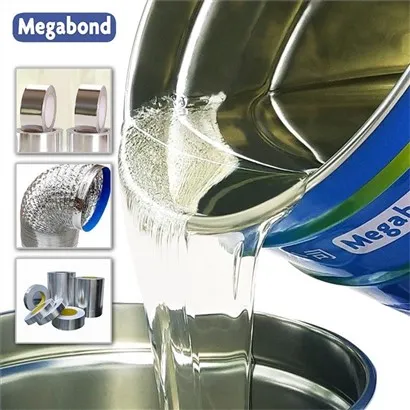
First off, let's talk about what solvent based laminating adhesive is. It's a type of adhesive that uses solvents to dissolve the resin and create a bonding solution. This type of adhesive is known for its strong bonding strength, good flexibility, and excellent resistance to chemicals and heat. It's widely used in the packaging industry for laminating different materials like plastic films, papers, and foils.
Now, humidity can have a significant impact on the performance of solvent based laminating adhesive. High humidity levels can cause a few problems, while low humidity can also bring its own set of challenges.
High Humidity Conditions
When the humidity is high, the first thing you'll notice is that the drying time of the adhesive increases. The solvents in the adhesive have a harder time evaporating because the air is already saturated with moisture. This can lead to longer production times and lower efficiency.
For example, in a normal humidity environment, our Solvent-based 121℃ Anti-Steaming Laminating Adhesive might dry in a matter of minutes. But in high humidity, it could take twice as long. This delay in drying can also affect the bonding strength. If the adhesive doesn't dry properly, it might not form a strong bond between the materials, which can lead to delamination over time.
Another issue with high humidity is the formation of bubbles. The excess moisture in the air can get trapped in the adhesive layer, creating tiny bubbles. These bubbles not only affect the appearance of the laminated product but can also weaken the bond. The bubbles act as weak points in the adhesive layer, making it more likely for the materials to separate.
Moreover, high humidity can cause the adhesive to absorb moisture, which can change its chemical properties. This can lead to a decrease in the adhesive's flexibility and an increase in its brittleness. So, the laminated product might become less resistant to bending and folding, which is a big problem, especially in the packaging industry where products often go through various handling and transportation processes.
Low Humidity Conditions
On the other hand, low humidity conditions also have their drawbacks. When the air is very dry, the solvents in the adhesive evaporate too quickly. This can cause the adhesive to dry before it has a chance to properly wet the surfaces of the materials being laminated. As a result, the bonding strength can be compromised.
Our Solvent-based 100℃ Anti-Boiling Laminating Adhesive is designed to work well in a wide range of conditions, but in extremely low humidity, it might not spread evenly on the materials. This uneven spreading can lead to areas with poor adhesion, and again, delamination can occur.
Low humidity can also make the adhesive more prone to static electricity. Static electricity can attract dust and other particles, which can get trapped in the adhesive layer. This not only affects the appearance of the laminated product but can also interfere with the bonding process.
How to Mitigate the Effects of Humidity
So, what can you do to ensure that our solvent based laminating adhesives perform well in different humidity conditions?
Controlling the Environment
One of the most effective ways is to control the humidity in the production environment. You can use dehumidifiers in high humidity conditions to reduce the moisture in the air and speed up the drying process of the adhesive. On the other hand, in low humidity conditions, you can use humidifiers to add some moisture to the air and slow down the evaporation of the solvents.
Adjusting the Adhesive Formulation
We're constantly working on improving our adhesive formulations to make them more resistant to humidity changes. For example, our Solvent-based Low Cost Laminating Adhesive has been formulated to have a more stable performance in different humidity levels. But sometimes, depending on the specific humidity conditions and the materials being laminated, we might recommend some minor adjustments to the formulation.
Proper Storage
It's also important to store the adhesive properly. Keep it in a cool, dry place away from direct sunlight. Exposure to high temperatures and humidity during storage can affect the quality of the adhesive, even before it's used.
Conclusion
In conclusion, humidity plays a crucial role in the performance of solvent based laminating adhesive. High humidity can increase drying time, cause bubble formation, and affect the bonding strength, while low humidity can lead to uneven spreading and static electricity issues. But with proper environmental control, formulation adjustments, and storage, you can ensure that our adhesives perform at their best.
If you're in the market for high-quality solvent based laminating adhesive and want to learn more about how our products can work in your specific humidity conditions, don't hesitate to reach out. We're here to help you find the right adhesive solution for your needs and answer any questions you might have. Contact us today to start a conversation about your laminating projects!
References
- "Adhesive Technology Handbook" by John A. Dorsey
- "Packaging Materials and Processes" by Charles A. Keally
- Industry research reports on solvent based laminating adhesives