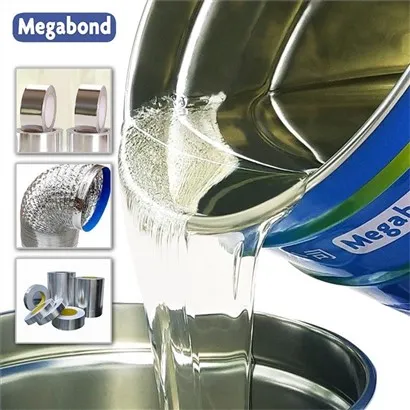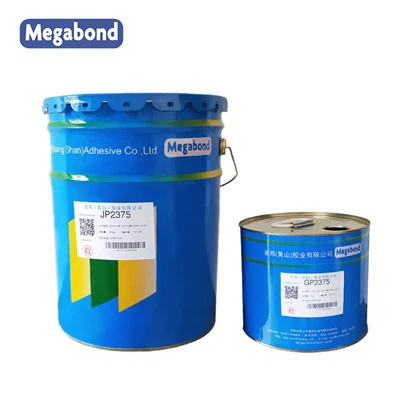


Polyether lamination adhesive is a crucial component in various industries, especially in packaging and construction. As a supplier of polyether lamination adhesive, I often receive inquiries about its compression strength. In this blog post, I will delve into the concept of compression strength, how it relates to polyether lamination adhesive, and why it matters in real - world applications.
Understanding Compression Strength
Compression strength is defined as the maximum load a material can withstand under compressive forces before it fails. In the context of polyether lamination adhesive, compression strength refers to the ability of the adhesive to maintain its integrity and bonding properties when subjected to a squeezing or crushing force. This property is vital as it determines the durability and performance of the laminated structures in which the adhesive is used.
The compression strength of an adhesive is typically measured in units of pressure, such as pounds per square inch (psi) or megapascals (MPa). To determine the compression strength of polyether lamination adhesive, standardized testing methods are employed. These tests involve applying a gradually increasing compressive load to a sample of the adhesive until it reaches its breaking point. The load at which the adhesive fails is then recorded as its compression strength.
Factors Affecting the Compression Strength of Polyether Lamination Adhesive
Several factors can influence the compression strength of polyether lamination adhesive.


- Chemical Composition: The specific formulation of the polyether lamination adhesive plays a significant role. Different polyether - based polymers and additives can alter the adhesive's internal structure and mechanical properties. For example, the presence of certain cross - linking agents can enhance the adhesive's resistance to compression by creating a more rigid and interconnected molecular network.
- Curing Conditions: The way the adhesive cures can have a profound impact on its compression strength. Factors such as temperature, humidity, and curing time can affect the degree of cross - linking and the overall quality of the cured adhesive. If the curing process is not carried out under optimal conditions, the adhesive may not develop its full strength potential, leading to a lower compression strength.
- Substrate Properties: The materials being bonded by the polyether lamination adhesive also matter. The surface roughness, porosity, and chemical compatibility of the substrates can influence how well the adhesive adheres and distributes the compressive load. A poor bond between the adhesive and the substrate can result in premature failure under compression.
- Adhesive Thickness: The thickness of the adhesive layer can affect its compression strength. If the adhesive layer is too thin, it may not be able to distribute the compressive forces effectively, leading to localized stress concentrations and reduced strength. On the other hand, an overly thick adhesive layer may be more prone to internal voids and uneven curing, which can also compromise the compression strength.
Importance of Compression Strength in Applications
The compression strength of polyether lamination adhesive is of utmost importance in a wide range of applications.
Packaging Industry
In the packaging industry, products are often subjected to various handling and storage conditions that involve compression. For example, stacked boxes in a warehouse or on a shipping pallet are under the weight of the boxes above them. Polyether lamination adhesive with high compression strength ensures that the laminated packaging materials, such as flexible films and paperboard, can withstand these compressive forces without delamination or damage. This helps to maintain the integrity of the package and protect the contents inside.
We offer Solvent - free 100℃ Anti - Cooking Laminating Adhesive, which is suitable for packaging applications where high compression strength and resistance to cooking conditions are required. It provides a strong and durable bond that can withstand the rigors of the packaging process and subsequent handling.
Construction Industry
In construction, polyether lamination adhesive is used for bonding various building materials. For instance, it can be used to laminate insulation panels, decorative laminates, and structural components. These laminated structures may be subject to compression from the weight of the building itself or external forces such as wind and seismic activity. An adhesive with adequate compression strength is essential to ensure the long - term stability and safety of the construction. Our Solvent - free Anti - Chemicals Laminating Adhesive offers not only high compression strength but also resistance to chemicals, making it a great choice for construction applications in harsh environments.
Automotive Industry
In the automotive industry, polyether lamination adhesive is used for interior and exterior applications. Interior components such as dashboard laminates and door panels may be subject to compression during normal use and in the event of an impact. Exterior components may also experience compressive forces from aerodynamic loads and road vibrations. High - compression - strength adhesive helps to maintain the integrity of these components and ensures a long - lasting bond. Our Solvent - free 125℃ Retortable Laminating Adhesive can be used in automotive applications where high - temperature resistance and compression strength are needed.
Testing and Quality Control
As a supplier of polyether lamination adhesive, we place great emphasis on testing and quality control to ensure that our products meet the required compression strength standards. We conduct regular in - house testing using state - of - the - art equipment and follow industry - recognized testing procedures. Our quality control team carefully monitors every batch of adhesive to ensure consistency in compression strength and other performance properties.
Conclusion
The compression strength of polyether lamination adhesive is a critical property that determines its suitability for various applications. By understanding the factors that affect compression strength and ensuring high - quality manufacturing and testing processes, we can provide our customers with polyether lamination adhesive that meets their specific needs.
If you are in the market for polyether lamination adhesive and are concerned about compression strength or other performance properties, we are here to help. Our team of experts can provide you with detailed information about our products and assist you in selecting the right adhesive for your application. Contact us today to start a conversation about your adhesive requirements and explore how our polyether lamination adhesives can benefit your business.
References
- ASTM International. (Year). Standard test methods for compression testing of adhesives in shear by compression loading. ASTM D905.
- ISO. (Year). Adhesives - Determination of tensile lap - shear strength of rigid - to - rigid bonded assemblies. ISO 4587.