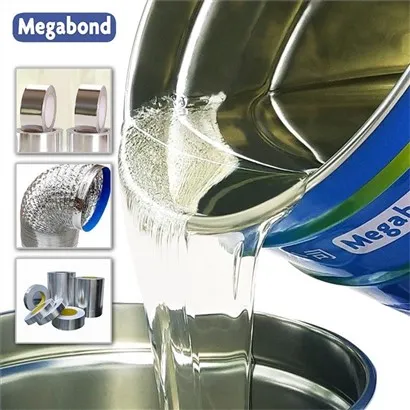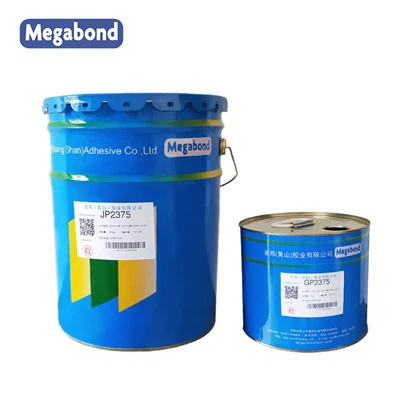


In the packaging industry, solvent-based laminating adhesives play a crucial role in bonding different layers of materials together. These adhesives are widely used due to their excellent adhesion properties, high flexibility, and good chemical resistance. However, their performance can be significantly affected by environmental conditions, especially low temperatures. As a supplier of solvent-based laminating adhesives, we understand the importance of ensuring optimal performance in various environments. In this blog, we will explore how solvent-based laminating adhesives perform in low-temperature environments and discuss the factors that influence their performance.
Understanding Solvent-Based Laminating Adhesives
Solvent-based laminating adhesives are formulated with a polymer resin dissolved in a volatile organic solvent. When the adhesive is applied to the substrate, the solvent evaporates, leaving behind a thin layer of polymer that bonds the two materials together. These adhesives offer several advantages, including fast drying times, high bond strength, and good resistance to heat and chemicals. They are commonly used in applications such as food packaging, flexible packaging, and industrial laminates.
Performance in Low-Temperature Environments
Low-temperature environments can have a significant impact on the performance of solvent-based laminating adhesives. At lower temperatures, the viscosity of the adhesive increases, making it more difficult to apply evenly. This can lead to poor wetting of the substrate and reduced bond strength. Additionally, the evaporation rate of the solvent slows down, which can result in longer drying times and increased risk of adhesive transfer or blocking.
One of the key challenges in low-temperature environments is achieving proper adhesion between the layers. The adhesive needs to flow and wet the substrate surface effectively to form a strong bond. However, at low temperatures, the adhesive may become too viscous to spread evenly, leading to incomplete bonding and delamination. This can be particularly problematic in applications where the bond strength is critical, such as in food packaging where the adhesive needs to withstand the rigors of handling and storage.
Another issue is the effect of low temperatures on the curing process. Solvent-based laminating adhesives typically cure through a combination of solvent evaporation and chemical reaction. At low temperatures, the chemical reaction may slow down or even stop, resulting in incomplete curing and reduced bond strength over time. This can lead to premature failure of the laminate, especially under stress or in high-humidity environments.
Factors Affecting Performance
Several factors can influence the performance of solvent-based laminating adhesives in low-temperature environments. These include the type of adhesive formulation, the substrate materials, the application conditions, and the environmental factors.
Adhesive Formulation
The formulation of the adhesive plays a crucial role in its performance at low temperatures. Adhesives with lower glass transition temperatures (Tg) tend to be more flexible and less prone to cracking or delamination at low temperatures. Additionally, adhesives formulated with solvents that have lower freezing points can help maintain the fluidity of the adhesive in cold environments.
As a supplier, we offer a range of solvent-based laminating adhesives specifically designed for low-temperature applications. For example, our Solvent-based AL-plating Film Laminating Adhesive is formulated to provide excellent adhesion and flexibility even at low temperatures. This adhesive is suitable for laminating aluminum-plated films and other substrates commonly used in food packaging.
Substrate Materials
The type of substrate materials used in the lamination process can also affect the performance of the adhesive in low-temperature environments. Different substrates have different surface energies and porosities, which can influence the wetting and adhesion of the adhesive. For example, substrates with high surface energy, such as metals and glass, tend to have better adhesion compared to substrates with low surface energy, such as plastics.
In addition, the moisture content of the substrate can also impact the performance of the adhesive. At low temperatures, moisture can condense on the substrate surface, which can interfere with the adhesion process and lead to poor bond strength. Therefore, it is important to ensure that the substrates are dry and free from moisture before applying the adhesive.
Application Conditions
The application conditions, such as the temperature, humidity, and pressure, can also have a significant impact on the performance of the adhesive. In low-temperature environments, it is important to maintain the application temperature within the recommended range to ensure proper flow and wetting of the adhesive. This may require the use of heating equipment or temperature-controlled environments.
The humidity level can also affect the drying and curing process of the adhesive. High humidity can slow down the evaporation of the solvent and increase the risk of adhesive transfer or blocking. Therefore, it is important to control the humidity level during the lamination process to ensure optimal performance.
Environmental Factors
Environmental factors such as wind, rain, and snow can also affect the performance of solvent-based laminating adhesives in low-temperature environments. Wind can cause the adhesive to dry too quickly, leading to poor wetting and reduced bond strength. Rain and snow can introduce moisture to the substrate surface, which can interfere with the adhesion process and lead to delamination.
Strategies for Improving Performance
To overcome the challenges of using solvent-based laminating adhesives in low-temperature environments, several strategies can be employed. These include adjusting the adhesive formulation, optimizing the application conditions, and using appropriate substrate materials.


Adjusting the Adhesive Formulation
As mentioned earlier, the formulation of the adhesive can be adjusted to improve its performance at low temperatures. This may involve using solvents with lower freezing points, adding plasticizers to increase flexibility, or modifying the polymer resin to reduce the glass transition temperature. Our Solvent-based Anti-Additives Laminating Adhesive is designed to provide excellent performance in low-temperature environments by incorporating special additives that enhance flexibility and adhesion.
Optimizing the Application Conditions
Optimizing the application conditions is crucial for achieving optimal performance in low-temperature environments. This may involve preheating the adhesive and the substrate to improve the flow and wetting properties. Additionally, using a heated applicator or a temperature-controlled environment can help maintain the application temperature within the recommended range.
It is also important to control the humidity level during the lamination process. This can be achieved by using dehumidifiers or by working in a controlled environment. By reducing the humidity, the evaporation rate of the solvent can be increased, leading to faster drying times and improved bond strength.
Using Appropriate Substrate Materials
Choosing the right substrate materials is essential for ensuring proper adhesion in low-temperature environments. Substrates with high surface energy and low moisture content are generally more suitable for use with solvent-based laminating adhesives. Additionally, using substrates that are compatible with the adhesive formulation can help improve the bond strength and durability of the laminate.
Conclusion
Solvent-based laminating adhesives offer excellent performance in a wide range of applications, but their performance can be significantly affected by low-temperature environments. By understanding the factors that influence their performance and implementing appropriate strategies, it is possible to achieve optimal adhesion and bond strength even in cold conditions.
As a supplier of solvent-based laminating adhesives, we are committed to providing our customers with high-quality products and technical support. Our Solvent-based 121℃ Anti-Steaming Laminating Adhesive is specifically designed to meet the challenges of low-temperature applications, offering excellent adhesion, flexibility, and resistance to heat and chemicals.
If you are looking for a reliable solvent-based laminating adhesive for your low-temperature applications, we invite you to contact us to discuss your specific requirements. Our team of experts will be happy to provide you with more information and help you find the right solution for your needs.
References
- "Handbook of Adhesives and Surface Preparation: Technology, Applications and Manufacturing" by K.L. Mittal
- "Adhesive Bonding: Science, Technology, and Applications" by A. Pizzi and K.L. Mittal
- "Flexible Packaging Technology" by W. Schmid