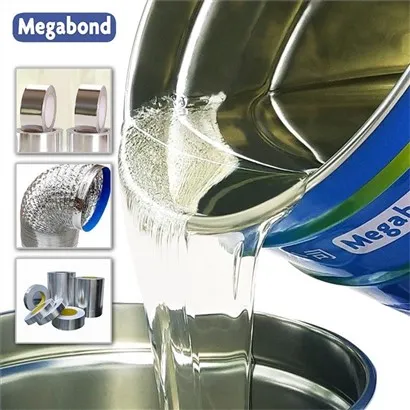


Hey there! As a supplier of Polyether lamination Adhesive, I've seen firsthand how the thickness of the adhesive layer can make or break the performance of our products. In this blog, I'm gonna dive deep into how this seemingly small factor can have a huge impact on the overall quality of the lamination process.
First off, let's talk about what Polyether lamination Adhesive is all about. It's a type of adhesive that's commonly used in the packaging industry to bond different layers of materials together, like plastic films, aluminum foils, and paper. This adhesive is known for its excellent bonding strength, flexibility, and resistance to chemicals and heat. That's why it's a popular choice for applications where durability and reliability are key, such as food packaging, pharmaceutical packaging, and industrial packaging.
Now, let's get to the main topic: how the thickness of the adhesive layer affects the performance of Polyether lamination Adhesive. The thickness of the adhesive layer is a critical parameter that can influence several aspects of the lamination process, including bonding strength, peel strength, and appearance.
Bonding Strength
One of the most important factors affected by the adhesive layer thickness is the bonding strength. In general, a thicker adhesive layer can provide a stronger bond between the two substrates. This is because a thicker layer allows for more contact area between the adhesive and the substrates, which in turn increases the adhesion force. When the adhesive layer is too thin, there may not be enough adhesive to create a strong bond, leading to delamination or poor adhesion.
However, it's important to note that there's a limit to how thick the adhesive layer can be. If the layer is too thick, it can cause several problems. For example, it can lead to longer curing times, which can slow down the production process. Additionally, a very thick adhesive layer can also result in a more rigid bond, which may not be suitable for applications that require flexibility.
Peel Strength
Peel strength is another important performance indicator that's affected by the adhesive layer thickness. Peel strength refers to the force required to separate the two laminated substrates. A thicker adhesive layer generally results in higher peel strength, as there's more adhesive holding the substrates together.
But again, there's a catch. If the adhesive layer is too thick, it can make the lamination less flexible and more prone to cracking or splitting when peeled. This can be a major issue, especially in applications where the laminated materials need to be bent or folded without delaminating.
Appearance
The thickness of the adhesive layer can also have a significant impact on the appearance of the laminated product. A uniform and appropriate adhesive layer thickness can result in a smooth and clear lamination, with no visible bubbles or unevenness. On the other hand, an inconsistent or too-thick adhesive layer can cause the lamination to look cloudy, hazy, or have visible adhesive streaks.
In some cases, a thick adhesive layer can also cause the edges of the laminated materials to curl or warp, which can affect the overall aesthetics and functionality of the product.
Finding the Optimal Thickness
So, how do you find the optimal thickness for the adhesive layer? Well, it depends on several factors, including the type of substrates being laminated, the application requirements, and the processing conditions.
For example, if you're laminating a plastic film to an aluminum foil, you may need a different adhesive layer thickness compared to laminating two plastic films together. The application requirements also play a crucial role. If the laminated product needs to be highly flexible, you may want to use a thinner adhesive layer to maintain the flexibility. On the other hand, if the product needs to have high chemical resistance, a thicker adhesive layer may be necessary.
The processing conditions, such as temperature and pressure, can also affect the optimal adhesive layer thickness. Higher temperatures and pressures can sometimes allow for a thinner adhesive layer, as they can enhance the bonding process.
Our Product Range
As a Polyether lamination Adhesive supplier, we offer a wide range of products to meet different customer needs. For example, our Solvent-free Anti-Chemicals Laminating Adhesive is designed for applications where chemical resistance is crucial. It provides excellent bonding strength and can be used with a variety of substrates.
Our Solvent-free Aluminum Foil To Films Laminating Adhesive is specifically formulated for laminating aluminum foil to plastic films. It offers high peel strength and good flexibility, making it suitable for food and pharmaceutical packaging.
And our Solvent-free MET Plastic Film Laminating Adhesive is ideal for laminating metallized plastic films. It provides a clear and smooth lamination, with excellent adhesion and appearance.
Conclusion
In conclusion, the thickness of the adhesive layer is a crucial factor that can significantly affect the performance of Polyether lamination Adhesive. Finding the optimal thickness requires careful consideration of the substrates, application requirements, and processing conditions. As a supplier, we're here to help you choose the right product and ensure that you get the best results from your lamination process.
If you're interested in learning more about our Polyether lamination Adhesive products or have any questions about the adhesive layer thickness, feel free to reach out to us. We'd be more than happy to discuss your specific needs and provide you with the best solutions. Let's work together to achieve the perfect lamination for your products!


References
- "Handbook of Adhesive Technology" by A. Pizzi and K. L. Mittal
- "Adhesives and Sealants Technology" by R. D. Gilbert