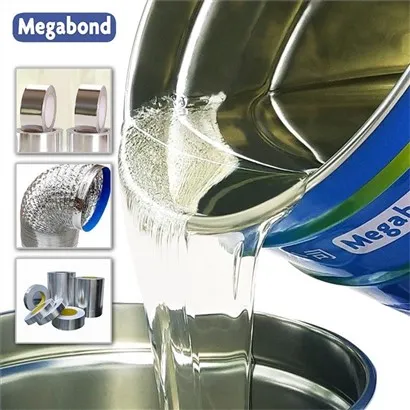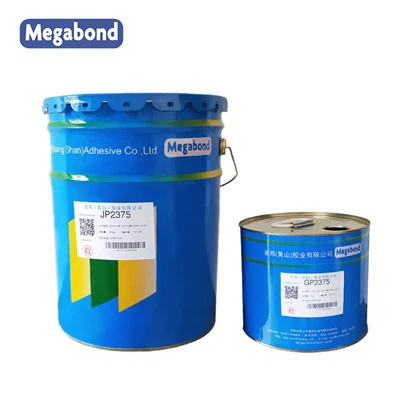


As a supplier of Polyether lamination Adhesive, I've witnessed firsthand the crucial role that environmental conditions play in the curing process of our products. Curing time is a vital factor in the lamination process, as it directly impacts the efficiency of production and the quality of the final laminated products. In this blog, I'll explore how different environmental conditions can cause the curing time of Polyether lamination Adhesive to vary.
Understanding Polyether Lamination Adhesive
Polyether lamination adhesives are widely used in the packaging industry for laminating various materials such as plastics, papers, and foils. These adhesives offer excellent adhesion, flexibility, and chemical resistance, making them suitable for a wide range of applications. One of the significant advantages of polyether lamination adhesives is their low viscosity, which allows for easy application and good wetting of the substrate surfaces.
There are different types of polyether lamination adhesives available in the market, including Solvent-free 100℃ Anti-Cooking Laminating Adhesive and Solvent-free 125℃ Retortable Laminating Adhesive. Each type is designed to meet specific requirements, such as resistance to high temperatures, chemicals, or mechanical stress. The Solvent-free Polyether Laminating Adhesive is particularly popular due to its environmental - friendliness and excellent performance.
Influence of Temperature on Curing Time
Temperature is one of the most critical environmental factors affecting the curing time of polyether lamination adhesives. Generally, an increase in temperature accelerates the curing process, while a decrease in temperature slows it down.
At higher temperatures, the chemical reactions within the adhesive occur more rapidly. The molecules of the adhesive have more kinetic energy, which allows them to move and react with each other more easily. For example, in a warm environment with a temperature around 30 - 35°C, the curing time of our polyether lamination adhesive can be significantly reduced compared to a cooler environment.
Conversely, in a cold environment, say below 10°C, the curing process can be extremely slow. The low temperature restricts the movement of the adhesive molecules, and the chemical reactions that lead to cross - linking and hardening of the adhesive are delayed. This can cause production delays as the laminated products need to be stored for a longer time to ensure complete curing.
However, it's important to note that there is an upper limit to the temperature that the adhesive can withstand. Excessive heat can cause the adhesive to degrade, resulting in poor adhesion, discoloration, or even bubbling in the laminated layers. Therefore, it's crucial to follow the manufacturer's recommended temperature range for curing.
Impact of Humidity on Curing
Humidity also plays a significant role in the curing of polyether lamination adhesives. Polyether adhesives are sensitive to moisture in the air. In high - humidity environments, the water vapor in the air can react with some components of the adhesive.
In some cases, a certain amount of moisture can actually aid the curing process. For example, in a moderately humid environment (around 50 - 60% relative humidity), the moisture can participate in some of the chemical reactions within the adhesive, promoting cross - linking.
However, if the humidity is too high, say above 80%, it can cause problems. Excess moisture can lead to the formation of bubbles in the adhesive layer, as the water vapor can get trapped during the curing process. This can weaken the adhesion between the laminated materials and reduce the overall quality of the product.
On the other hand, in a very dry environment with low humidity (below 30%), the curing process can be affected as well. The lack of moisture may slow down some of the chemical reactions that rely on water molecules. This can result in a longer curing time and potentially incomplete curing.
Air Circulation and Curing
Air circulation is another environmental factor that can influence the curing time of polyether lamination adhesives. Good air circulation helps to remove any volatile by - products generated during the curing process. When the air around the laminated products is stagnant, these volatile substances can accumulate near the adhesive layer, which may slow down the curing process or cause odor problems.
In a well - ventilated area, fresh air continuously replaces the air near the adhesive, allowing the volatile components to disperse. This not only speeds up the curing process but also improves the quality of the final product. For example, in a factory with proper ventilation systems, the laminated products can cure more evenly and quickly compared to a poorly ventilated storage area.
Pressure and Curing
Although not strictly an environmental condition, the pressure applied during the lamination process can also interact with environmental factors to affect curing time. Applying pressure helps to ensure good contact between the adhesive and the substrate surfaces.
In combination with temperature and humidity, pressure can enhance the curing process. For example, in a high - temperature and moderately humid environment, applying a moderate pressure during lamination can help to spread the adhesive evenly and promote better adhesion. This can lead to a more efficient curing process and a stronger bond between the laminated materials.
Practical Considerations for Controlling Environmental Conditions
To optimize the curing time of polyether lamination adhesives, it's essential to control the environmental conditions in the production and storage areas.


- Temperature Control: Use heating or cooling systems to maintain the temperature within the recommended range. In cold climates, heaters can be installed in the production and storage facilities. In hot climates, air - conditioning systems can be used to prevent overheating.
- Humidity Control: Humidifiers or dehumidifiers can be employed to regulate the humidity levels. This ensures that the humidity remains within the optimal range for the adhesive.
- Ventilation: Install proper ventilation systems to ensure good air circulation. This can include exhaust fans, air ducts, or HVAC systems.
Importance of Correct Curing for Product Quality
The correct curing time is crucial for the quality of the laminated products. If the adhesive is not cured properly, it can lead to a variety of issues.
- Poor Adhesion: Incomplete curing can result in weak adhesion between the laminated materials. This can cause the layers to delaminate over time, especially when the product is subjected to mechanical stress or environmental factors.
- Reduced Chemical Resistance: A properly cured adhesive provides better resistance to chemicals. If the curing is incomplete, the adhesive may be more susceptible to chemical attack, which can degrade the product and reduce its lifespan.
- Aesthetic Defects: Improper curing can also lead to aesthetic defects such as discoloration, bubbling, or uneven surfaces in the laminated products.
Conclusion
As a supplier of polyether lamination adhesives, I understand the importance of environmental conditions in the curing process. Temperature, humidity, air circulation, and pressure all interact to determine the curing time of our adhesives. By carefully controlling these environmental factors, manufacturers can optimize the production process, reduce curing times, and ensure the high - quality of their laminated products.
If you're in the market for high - quality polyether lamination adhesives and need more information about the curing process or our products, I encourage you to reach out to us. We're always ready to assist you with your adhesive needs and provide expert advice on how to achieve the best results in your lamination processes. Contact us to start a purchase negotiation and take your lamination projects to the next level.
References
- Brown, R. F. (2015). Adhesive Bonding: Science, Technology, and Applications. CRC Press.
- Mittal, K. L. (2017). Handbook of Adhesives and Surface Preparation: Technology, Applications and Manufacturing. Elsevier.
- Wake, W. C. (2018). Adhesion and the Formulation of Adhesives. Elsevier.