

Hey there! As a supplier of solventless lamination adhesive, I know how crucial it is to extend the shelf life of these adhesives. It not only saves costs but also ensures that the product remains in top - notch condition for when you need it. So, let's dive right into some practical ways to make your solventless lamination adhesive last longer.
Understanding Solventless Lamination Adhesive
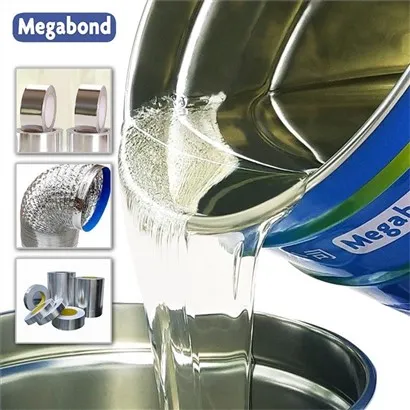
First off, let's briefly talk about what solventless lamination adhesive is. It's a type of adhesive that doesn't contain solvents, which makes it an eco - friendly option. It's commonly used in packaging applications, like laminating different types of films and foils. We offer a range of products, such as the Solvent - free Aluminum Foil To Films Laminating Adhesive, Solvent - free MET Plastic Film Laminating Adhesive, and Solvent - free 125℃ Retortable Laminating Adhesive. Each of these adhesives has its own unique properties and uses, but they all share the need for proper storage to extend their shelf life.


Storage Conditions
One of the most important factors in extending the shelf life of solventless lamination adhesive is the storage conditions. Temperature plays a huge role. These adhesives should be stored in a cool and dry place. The ideal temperature range is usually between 10°C and 30°C. If it gets too hot, the adhesive can start to react and change its properties. For example, it might become more viscous, which can affect its application and bonding performance. On the other hand, if it's too cold, the adhesive might solidify or form crystals, making it unusable.
Humidity is another key aspect. High humidity can introduce moisture into the adhesive, which can cause it to hydrolyze. Hydrolysis can break down the chemical structure of the adhesive, reducing its bonding strength and overall quality. So, make sure to store the adhesive in a place with low humidity, preferably below 60% relative humidity.
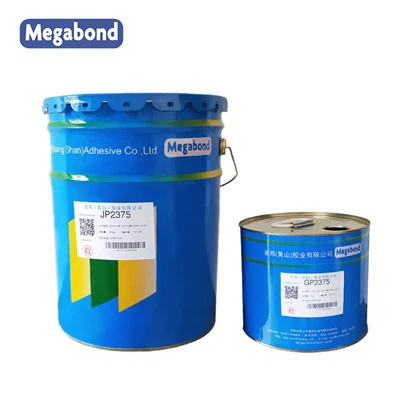
It's also a good idea to store the adhesive in its original sealed containers. These containers are designed to protect the adhesive from air, light, and moisture. Once you open a container, try to use the adhesive as soon as possible. If you can't use it all at once, make sure to seal it tightly after each use to prevent air and moisture from getting in.
Handling and Mixing
Proper handling and mixing are essential for maintaining the quality of the adhesive. When you're handling the adhesive, make sure to use clean equipment. Contaminants like dust, dirt, or other chemicals can react with the adhesive and shorten its shelf life. Always clean your mixing equipment before and after each use.
When it comes to mixing, follow the manufacturer's instructions carefully. Different adhesives have different mixing ratios and procedures. Mixing the adhesive incorrectly can lead to uneven curing and reduced bonding strength. Make sure to mix the components thoroughly but not over - mix. Over - mixing can introduce air bubbles into the adhesive, which can also affect its performance.
Quality Control
Regular quality control checks can help you detect any issues with the adhesive early on. Before you use the adhesive, visually inspect it for any signs of changes, such as color, viscosity, or the presence of particles. If you notice any abnormalities, it's best to contact the supplier for advice.
You can also perform simple tests, like bonding tests, to check the adhesive's performance. Take a small sample of the adhesive and apply it to the materials you'll be using. Check the bonding strength and the appearance of the bond. If the bond is weak or has a strange appearance, it could be a sign that the adhesive is starting to degrade.
Rotation of Stock
If you have a large inventory of solventless lamination adhesive, it's important to practice stock rotation. Use the oldest adhesive first. This ensures that you're using the adhesive before its shelf life expires. Label your containers with the date of receipt and the expiration date. This way, you can easily keep track of which adhesive needs to be used first.
Supplier Communication
As a supplier, we're here to help you. If you have any questions or concerns about extending the shelf life of the adhesive, don't hesitate to reach out. We can provide you with more detailed information about the specific adhesive you're using and offer advice on storage and handling.
We also keep up - to - date with the latest research and developments in adhesive technology. So, if there are any new techniques or best practices for extending the shelf life of solventless lamination adhesive, we can share that information with you.
Conclusion
Extending the shelf life of solventless lamination adhesive is all about proper storage, handling, and quality control. By following these tips, you can ensure that your adhesive remains in good condition for as long as possible, saving you time and money.
If you're interested in purchasing our solventless lamination adhesives or have any questions about our products, feel free to contact us for a procurement discussion. We're looking forward to working with you to meet your packaging needs.
References
- Industry standards for solventless lamination adhesives
- Manufacturer's product manuals and technical data sheets
- Research papers on adhesive chemistry and storage stability