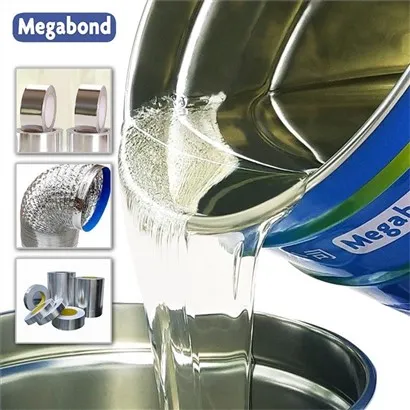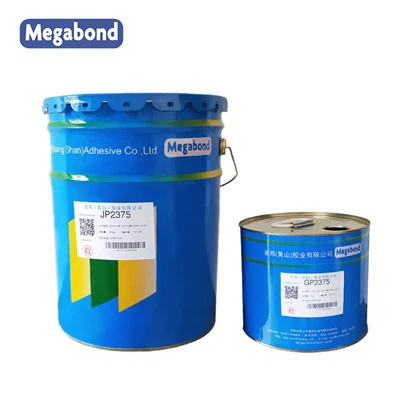


Hey there! As a supplier of PU lamination adhesives, I've seen firsthand how the formulation of these adhesives can have a huge impact on their performance. In this blog post, I'm gonna break down the key aspects of PU lamination adhesive formulation and explain how they affect the end results.
Let's start with the basics. PU, or polyurethane, lamination adhesives are widely used in various industries, especially in packaging, to bond different materials together. The formulation of these adhesives is a complex process that involves carefully selecting and combining different components to achieve the desired properties.
The Role of Polyols
One of the main components in PU lamination adhesives is polyols. Polyols are basically long - chain molecules with multiple hydroxyl groups. They play a crucial role in determining the flexibility, adhesion, and chemical resistance of the adhesive.
There are different types of polyols, such as polyester polyols and polyether polyols. Polyester polyols tend to offer better adhesion and chemical resistance. They are great for applications where the bonded materials might come into contact with chemicals or oils. For example, in food packaging, where the adhesive needs to withstand the grease and moisture from the food, polyester polyols can be a top choice.
On the other hand, polyether polyols are more flexible and have better hydrolytic stability. This means they can resist degradation in the presence of water. So, if you're laminating materials that will be exposed to a humid environment, like some outdoor packaging, polyether polyols could be the way to go.
Isocyanates: The Cross - Linking Agents
Isocyanates are another vital part of the PU lamination adhesive formulation. They react with the polyols to form a cross - linked polymer network. This cross - linking is what gives the adhesive its strength and durability.
The type of isocyanate used can significantly affect the performance of the adhesive. Aromatic isocyanates, for instance, are known for their high reactivity and good initial adhesion. They cure quickly, which is great for high - speed lamination processes. However, they may not be as stable when exposed to sunlight or heat over a long period.
Aliphatic isocyanates, on the contrary, offer better weather resistance and color stability. They are a better option for applications where the laminated products will be exposed to outdoor conditions or high - temperature environments.
Solvents and Their Impact
Solvents are often used in PU lamination adhesives to adjust the viscosity and improve the application properties. They help the adhesive spread evenly on the surfaces to be bonded.
The choice of solvent can influence several performance factors. For example, using a high - boiling - point solvent can slow down the drying process. This might be beneficial in some cases where you need more time to position the materials before the adhesive sets.
However, solvents also have some drawbacks. They can release volatile organic compounds (VOCs), which are harmful to the environment and human health. That's why there's a growing trend towards developing solvent - free or low - VOC PU lamination adhesives.
If you're interested in solvent - based options, we have some great products. Check out our Solvent - based 121℃ Anti - Steaming Laminating Adhesive, which is designed to withstand high temperatures without losing its adhesion. And our Solvent - based Polyurethane Laminating Adhesive offers excellent bonding strength for a variety of materials. Also, take a look at our Solvent - based Film Laminating Adhesive, perfect for laminating films.
Additives: Fine - Tuning the Performance
Additives are used in PU lamination adhesives to enhance specific properties. For example, antioxidants can be added to prevent the adhesive from oxidizing and degrading over time. This is especially important for adhesives used in long - term storage applications.
UV stabilizers are another type of additive. They protect the adhesive from the harmful effects of ultraviolet radiation. If your laminated products will be displayed outdoors or in areas with a lot of sunlight, UV stabilizers can ensure that the adhesive maintains its performance and appearance.
Thickeners can be added to adjust the viscosity of the adhesive. This is useful for controlling the flow and spread of the adhesive during the lamination process.
Impact on Application and Processing
The formulation of the PU lamination adhesive also affects how it can be applied and processed. Adhesives with a low viscosity are easier to apply, especially in high - speed coating processes. They can be spread evenly on the surfaces with less effort.


The curing time of the adhesive is also influenced by the formulation. Some adhesives cure very quickly, which is great for mass - production lines where time is of the essence. Others may have a longer curing time, allowing for more precise alignment of the materials before the bond sets.
Performance in Different Environments
The performance of PU lamination adhesives can vary depending on the environment in which they are used. For example, in a cold environment, the adhesive may become more brittle and its adhesion strength may decrease. Adhesives formulated with specific additives or polyols can be more resistant to cold temperatures.
In a high - temperature environment, the adhesive may soften or lose its adhesion. Using heat - resistant isocyanates and additives can help the adhesive maintain its performance under such conditions.
Cost - Performance Balance
When formulating PU lamination adhesives, it's always a challenge to strike the right balance between cost and performance. Some high - performance components, like certain types of isocyanates or specialty additives, can be expensive. However, using them may be necessary for applications where high - end performance is required.
On the other hand, for more cost - sensitive applications, you may need to find a formulation that offers a good enough performance at a lower cost. This could involve using a combination of more affordable polyols and solvents without sacrificing too much on the key performance indicators.
Conclusion
As you can see, the formulation of PU lamination adhesives is a complex but fascinating topic. Every component, from polyols and isocyanates to solvents and additives, plays a significant role in determining the performance of the adhesive.
Whether you're in the food packaging industry, the outdoor advertising business, or any other field that requires lamination, choosing the right PU lamination adhesive formulation is crucial.
If you're looking for high - quality PU lamination adhesives that are formulated to meet your specific needs, we're here to help. We've got a wide range of products with different formulations to suit various applications. Don't hesitate to reach out to us for more information and to start a discussion about your requirements. We can work together to find the perfect adhesive solution for your project.
References
- "Polyurethane Handbook" by G. Oertel
- "Adhesives Technology Handbook" by A. Pizzi and K. L. Mittal