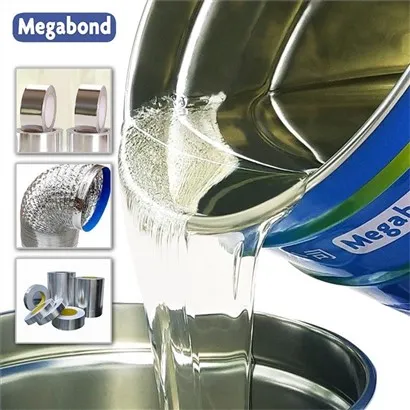


Hey there! I'm a supplier of laminating adhesive, and today I wanna have a chat about whether laminating adhesive can be used on composite materials. It's a question I get asked a lot, and it's not as straightforward as you might think.
First off, let's talk about what composite materials are. Composite materials are made by combining two or more different materials to create a new material with improved properties. These materials can be anything from fiberglass and carbon fiber to wood and plastic. They're used in a wide range of industries, including aerospace, automotive, construction, and marine.
Now, let's get to the main question: Can laminating adhesive be used on composite materials? The short answer is yes, but it depends on a few factors.
Compatibility
One of the most important factors to consider is the compatibility between the laminating adhesive and the composite material. Different composite materials have different surface properties, chemical compositions, and curing requirements. So, it's crucial to choose an adhesive that's specifically designed to bond with the type of composite material you're working with.
For example, if you're working with a fiberglass composite, you'll need an adhesive that can bond well with the glass fibers and the resin matrix. Some adhesives are formulated to have excellent adhesion to fiberglass, while others may not work as well. The same goes for carbon fiber composites, which have unique surface characteristics that require a compatible adhesive.
Application Method
Another factor to consider is the application method. There are several ways to apply laminating adhesive, including brush, roller, spray, and extrusion. The choice of application method depends on the type of composite material, the size and shape of the parts, and the desired bond strength.
For instance, if you're laminating large sheets of composite material, a spray or roller application method may be more efficient. On the other hand, if you're working on small, intricate parts, a brush or extrusion method may be more suitable. It's important to follow the manufacturer's instructions for the adhesive to ensure proper application and maximum bond strength.
Environmental Conditions
The environmental conditions during the bonding process can also affect the performance of the laminating adhesive. Factors such as temperature, humidity, and ventilation can all have an impact on the curing time and the final bond strength.
Most laminating adhesives have specific temperature and humidity ranges within which they need to be applied and cured. For example, some adhesives may require a minimum temperature of 20°C (68°F) and a relative humidity of 40-60% for proper curing. If the environmental conditions are not within the recommended range, the adhesive may not cure properly, resulting in a weak bond.
Our Laminating Adhesives
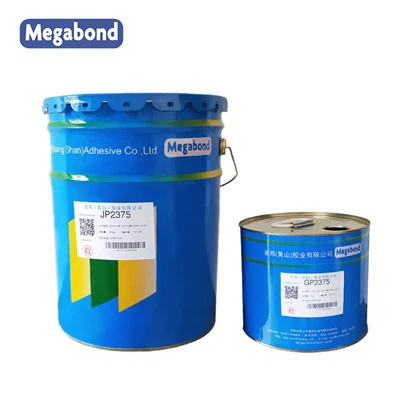
As a laminating adhesive supplier, we offer a wide range of products that are suitable for use on composite materials. Here are some of our popular products:
- Solvent-free 121℃ Retortable Laminating Adhesive: This adhesive is designed for use in applications where the laminated structure needs to withstand high temperatures and pressure, such as in retort packaging. It offers excellent adhesion to a variety of composite materials, including aluminum foil, polyester films, and nylon films.
- Solvent-free Aluminum Foil To Films Laminating Adhesive: This adhesive is specifically formulated for bonding aluminum foil to various types of films. It provides a strong, durable bond that resists delamination and offers good barrier properties.
- Solvent-free 100℃ Anti-Cooking Laminating Adhesive: This adhesive is ideal for applications where the laminated structure needs to be resistant to cooking and sterilization processes. It has excellent heat resistance and adhesion to composite materials, making it suitable for use in food packaging and other high-temperature applications.
Case Studies
To give you a better idea of how our laminating adhesives work on composite materials, let's take a look at a couple of case studies.
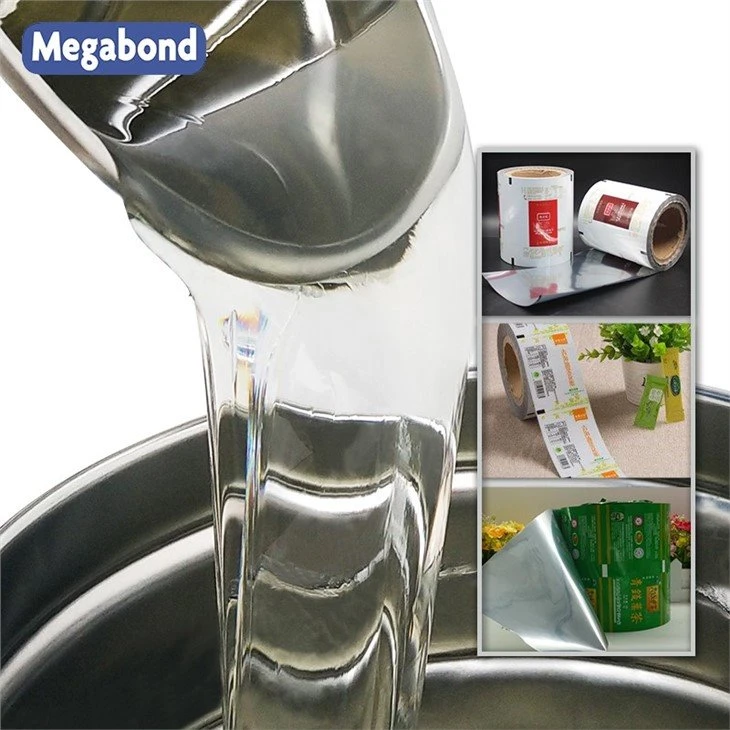
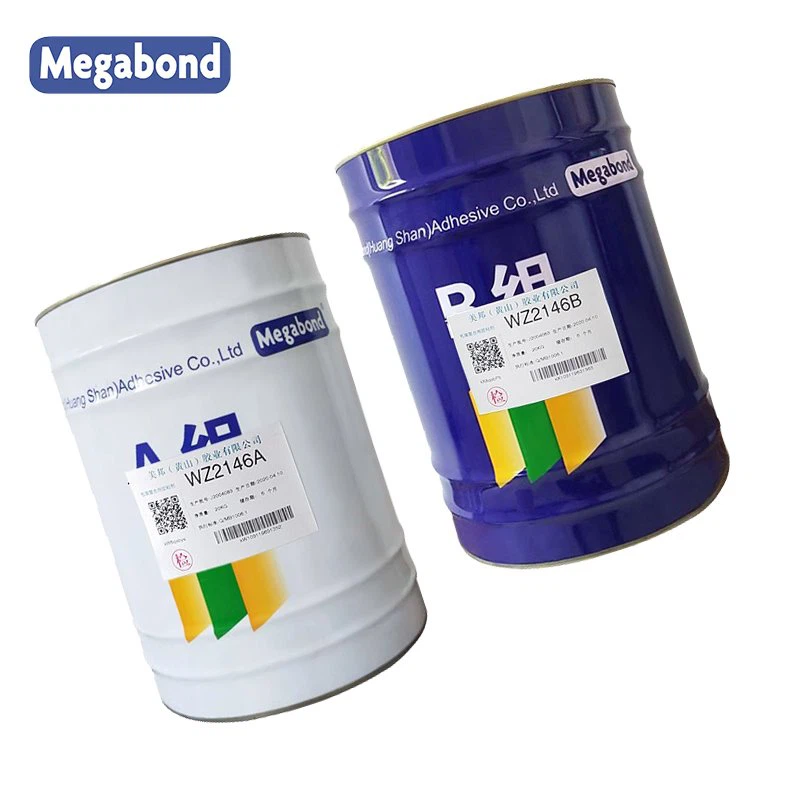
Case Study 1: Aerospace Composite Laminating
A leading aerospace company was looking for an adhesive to bond carbon fiber composite parts together. They needed an adhesive that could provide high strength, good fatigue resistance, and excellent environmental durability. After testing several adhesives, they chose our solvent-free laminating adhesive, which met all of their requirements. The adhesive was applied using a brush method and cured at room temperature. The resulting bond was strong and durable, and the parts passed all of the company's quality tests.
Case Study 2: Marine Composite Laminating
A boat manufacturer was using fiberglass composite materials to build the hulls of their boats. They were experiencing problems with delamination and poor adhesion between the layers of fiberglass. After consulting with our technical team, they switched to our solvent-free laminating adhesive, which was specifically designed for use with fiberglass composites. The adhesive was applied using a roller method and cured at a slightly elevated temperature. The new adhesive provided a strong, durable bond that eliminated the delamination problem and improved the overall quality of the boats.
Conclusion
In conclusion, laminating adhesive can be used on composite materials, but it's important to choose the right adhesive for the job. Consider factors such as compatibility, application method, and environmental conditions to ensure a strong, durable bond. Our company offers a wide range of laminating adhesives that are suitable for use on composite materials, and we're always happy to help you find the right product for your specific application.
If you're interested in learning more about our laminating adhesives or have any questions about using them on composite materials, please don't hesitate to get in touch. We'd love to discuss your needs and help you find the best solution for your project.
References
- "Adhesive Bonding of Composite Materials," Handbook of Adhesives, Fourth Edition, edited by I. Skeist.
- "Composite Materials: Design and Applications," Second Edition, by D. Hull and T. W. Clyne.
- Manufacturer's technical data sheets for our laminating adhesives.