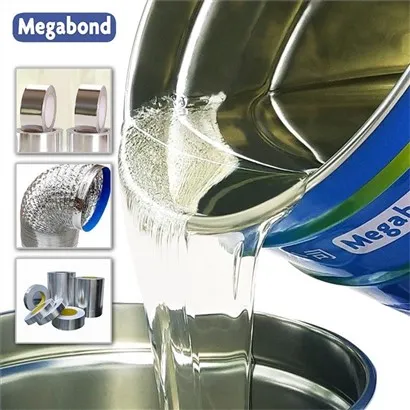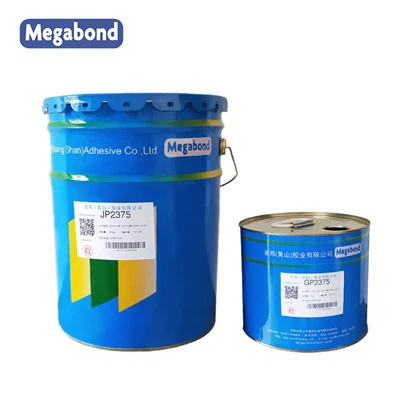


Laminate polyurethane glue is a remarkable adhesive that has gained significant traction in various industries due to its exceptional bonding strength and versatility. As a leading supplier of laminate polyurethane glue, I've witnessed firsthand the transformative impact it has on different applications. In this blog, we'll delve into the strength of laminate polyurethane glue, exploring its properties, performance in various scenarios, and why it stands out as a top choice for many bonding needs.
Understanding the Basics of Laminate Polyurethane Glue
Polyurethane glue is a type of adhesive that forms a strong, durable bond by reacting with moisture in the air or on the surface of the materials being bonded. Laminate polyurethane glue, specifically, is designed to bond laminates to various substrates, such as wood, metal, plastic, and more. It offers several advantages over other types of adhesives, including high strength, flexibility, and resistance to heat, chemicals, and moisture.
The strength of laminate polyurethane glue can be attributed to its unique chemical composition. When the glue is applied, it begins to react with moisture, forming a cross-linked polymer network. This network creates a strong, permanent bond between the laminate and the substrate, providing excellent adhesion and resistance to separation.
Testing the Strength of Laminate Polyurethane Glue
To understand just how strong laminate polyurethane glue is, it's essential to look at the results of various strength tests. These tests typically measure the glue's shear strength, peel strength, and tensile strength.
- Shear Strength: Shear strength refers to the ability of the glue to resist forces that try to slide the bonded materials past each other. In tests, laminate polyurethane glue has shown remarkable shear strength, making it suitable for applications where the bonded materials may be subjected to lateral forces. For example, in the construction of furniture, the glue can effectively hold together joints and panels, ensuring the structural integrity of the piece.
- Peel Strength: Peel strength measures the force required to separate the laminate from the substrate by peeling it back. Laminate polyurethane glue offers high peel strength, which means it can withstand forces that try to lift or separate the laminate. This property is crucial in applications such as flooring, where the laminate needs to stay firmly attached to the subfloor even under heavy foot traffic or movement.
- Tensile Strength: Tensile strength is the ability of the glue to resist forces that try to pull the bonded materials apart. Laminate polyurethane glue has excellent tensile strength, making it suitable for applications where the bonded materials may be subjected to stretching or pulling forces. For instance, in the automotive industry, the glue can be used to bond interior trim components, ensuring they remain securely attached even when the vehicle is in motion.
Real-World Applications and the Strength of Laminate Polyurethane Glue
The strength of laminate polyurethane glue makes it a popular choice in a wide range of industries and applications. Here are some examples:


- Furniture Manufacturing: In the furniture industry, laminate polyurethane glue is used to bond laminates to wood, particleboard, and MDF substrates. Its high strength ensures that the laminates stay firmly attached, providing a smooth and durable surface. Whether it's for kitchen cabinets, office desks, or bedroom furniture, the glue helps create high-quality, long-lasting products.
- Construction: In construction, laminate polyurethane glue is used for bonding various building materials, such as doors, windows, and wall panels. Its strength and resistance to environmental factors make it suitable for both interior and exterior applications. For example, Solvent-based Door Panel PVC Metal Laminating Adhesive is a type of laminate polyurethane glue that can effectively bond PVC and metal laminates to door panels, providing a strong and aesthetically pleasing finish.
- Automotive Industry: The automotive industry relies on laminate polyurethane glue for bonding interior and exterior components. Its strength and flexibility make it suitable for bonding materials such as plastic, metal, and fabric. For instance, it can be used to bond dashboard components, door panels, and upholstery, ensuring a secure and comfortable interior environment.
- Electronics: In the electronics industry, laminate polyurethane glue is used for bonding components and protecting sensitive electronic parts. Its high strength and resistance to moisture and chemicals make it suitable for applications where reliability is crucial. For example, Solvent-based DMD Insulation Laminating Adhesive can be used to bond DMD insulation materials, providing electrical insulation and protection for electronic devices.
Factors Affecting the Strength of Laminate Polyurethane Glue
While laminate polyurethane glue is known for its strength, several factors can affect its performance. These include:
- Surface Preparation: Proper surface preparation is crucial for achieving optimal bond strength. The surfaces to be bonded should be clean, dry, and free of dirt, grease, and other contaminants. Any residues on the surface can prevent the glue from forming a strong bond.
- Application Method: The way the glue is applied can also impact its strength. It's important to follow the manufacturer's instructions regarding the application thickness, temperature, and curing time. Applying too much or too little glue can affect the bond strength, as can incorrect curing conditions.
- Substrate Material: The type of substrate material can also influence the bond strength. Different materials have different surface properties, which can affect the adhesion of the glue. For example, porous materials may absorb the glue more readily, while non-porous materials may require special surface treatments to improve adhesion.
Comparing Laminate Polyurethane Glue with Other Adhesives
When choosing an adhesive, it's important to compare the strength and performance of different options. Here's how laminate polyurethane glue stacks up against other common adhesives:
- Epoxy Glue: Epoxy glue is known for its high strength and chemical resistance. However, it can be more brittle than laminate polyurethane glue, which may make it less suitable for applications where flexibility is required. Laminate polyurethane glue offers a good balance of strength and flexibility, making it a versatile choice for many applications.
- Contact Cement: Contact cement is a popular adhesive for bonding laminates, but it typically has lower shear and peel strength compared to laminate polyurethane glue. Contact cement also requires precise application and immediate bonding, which can be challenging in some situations. Laminate polyurethane glue, on the other hand, offers more forgiving application and longer open times.
- Hot Melt Glue: Hot melt glue is easy to apply and provides fast bonding. However, it may not have the same level of strength and durability as laminate polyurethane glue, especially in high-temperature or high-moisture environments. Laminate polyurethane glue offers better resistance to heat, chemicals, and moisture, making it a more reliable choice for long-term applications.
Conclusion
In conclusion, laminate polyurethane glue is an incredibly strong and versatile adhesive that offers excellent bonding performance in a wide range of applications. Its high shear strength, peel strength, and tensile strength make it suitable for use in industries such as furniture manufacturing, construction, automotive, and electronics. By understanding the factors that affect its strength and following proper application procedures, users can ensure optimal bond performance.
If you're in need of a high-quality laminate polyurethane glue for your project, we invite you to contact us to discuss your specific requirements. Our team of experts can provide you with detailed information about our products and help you choose the right glue for your application. Whether you're looking for Solvent-based Door Panel PVC Metal Laminating Adhesive, Solvent-based Metal Plastic Tinplate Laminating PU Glue, or Solvent-based DMD Insulation Laminating Adhesive, we have the solutions you need.
References
- ASTM International. (2023). Standard Test Methods for Strength Properties of Adhesives in Shear by Tension Loading of Single-Lap-Joint Laminated Assemblies.
- ISO. (2023). Adhesives - Determination of Peel Resistance of High-Strength Adhesive Bonds - Floating Roller Method.
- Manufacturers' product literature on laminate polyurethane glue.