

Hey there! As a supplier of laminate polyurethane glue, I often get asked a bunch of questions about what materials our glue can bond effectively. One question that pops up quite a bit is, "Can I use laminate polyurethane glue for bonding birch wood?" Well, let's dive right into it and find out.
First off, let's talk a bit about birch wood. Birch is a popular choice for a whole bunch of woodworking projects. It's known for its strength, durability, and nice grain pattern. Whether you're making furniture, cabinets, or even some decorative pieces, birch wood can give your project a really great look. It has a relatively tight grain structure, which means it's not overly porous like some other types of wood. This characteristic is important when it comes to choosing the right glue.
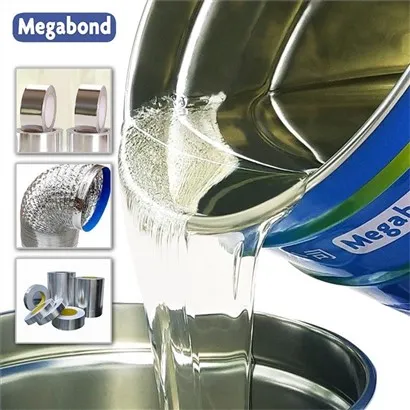
Now, let's shift our focus to laminate polyurethane glue. This type of glue is pretty awesome for a lot of reasons. It's strong, flexible, and has excellent water resistance. That means once you bond two pieces of wood together with laminate polyurethane glue, they're going to stay put, even if they get a little wet. It also cures to form a tough, durable bond that can withstand a fair amount of stress and strain.


So, can you use laminate polyurethane glue for bonding birch wood? The short answer is yes! In fact, it's a great choice. The tight grain of birch wood works well with the glue because the glue can spread evenly across the surface and penetrate the wood fibers just enough to create a solid bond. The flexibility of the glue is also a plus. Birch wood can expand and contract a bit with changes in temperature and humidity, and the flexible nature of the laminate polyurethane glue can accommodate these movements without breaking the bond.
When you're using laminate polyurethane glue to bond birch wood, there are a few things you should keep in mind. First, make sure the surfaces you're bonding are clean and dry. Any dirt, dust, or moisture can interfere with the bonding process and weaken the bond. You can use a clean, dry cloth to wipe down the surfaces before applying the glue.
Next, apply the glue evenly to one of the surfaces. You don't need to go overboard with it; a thin, uniform layer is all you need. Then, press the two pieces of wood together firmly. You can use clamps to hold them in place while the glue cures. Make sure the clamps are tightened evenly to ensure a good bond across the entire surface.
The curing time of laminate polyurethane glue can vary depending on the temperature and humidity of your workspace. In general, it takes a few hours for the glue to set enough to remove the clamps, but it can take up to 24 hours or more for the bond to reach its full strength. So, be patient and give the glue enough time to do its job.
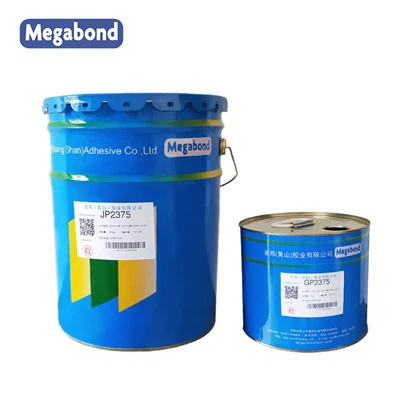
One of the great things about being a supplier of laminate polyurethane glue is that we offer a variety of products to suit different needs. For example, we have the Solvent-based DMD Insulation Laminating PU Glue. This glue is specifically designed for laminating insulation materials, but it can also be used for bonding birch wood in some applications. It has excellent adhesion properties and can provide a strong, long-lasting bond.
Another product we offer is the Solvent-based Reflective Beads Laminating Adhesive. This adhesive is great for projects that require reflective beads to be laminated onto a surface. But again, it can also be used for bonding birch wood if you're looking for a high-performance glue.
And then there's the Solvent-based Door Panel PVC Metal Laminating Adhesive. This glue is designed for laminating door panels, PVC, and metal, but it can also work well for bonding birch wood. It has a strong bond and can withstand the wear and tear that comes with everyday use.
In addition to the strength and versatility of laminate polyurethane glue, it's also relatively easy to work with. It doesn't require any special equipment or skills to apply. You can use a brush, roller, or even a spray gun to apply the glue, depending on the size and shape of your project. And if you make a mistake or need to adjust the position of the wood pieces before the glue dries, you can easily wipe away the excess glue with a damp cloth.
When you're comparing laminate polyurethane glue to other types of glue, such as wood glue or epoxy, you'll find that it has some distinct advantages. Wood glue is a popular choice for woodworking, but it may not have the same level of water resistance or flexibility as laminate polyurethane glue. Epoxy is very strong, but it can be more difficult to work with and may not be as forgiving if you make a mistake during the application process.
Overall, if you're working with birch wood and need a reliable glue, laminate polyurethane glue is definitely worth considering. It offers a strong, durable bond that can withstand the test of time and the elements. Whether you're a professional woodworker or a DIY enthusiast, you'll find that our laminate polyurethane glue can help you achieve great results in your projects.
If you're interested in learning more about our laminate polyurethane glue products or have any questions about using them for bonding birch wood, don't hesitate to reach out. We're here to help you find the right glue for your needs and provide you with the support you need to get the job done right.
References
- Wood Handbook: Wood as an Engineering Material. USDA Forest Service.
- Modern Woodworking Techniques. Various Authors.