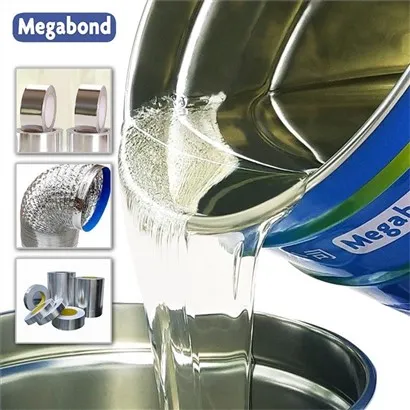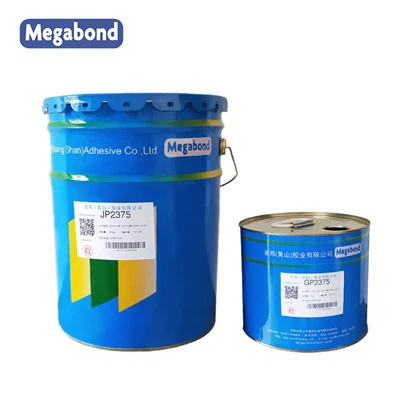


Hey there! As a supplier of PU lamination adhesive, I've gotten a ton of questions about how to adjust the viscosity of this stuff. Viscosity is super important when it comes to using PU lamination adhesive effectively, so I thought I'd share some tips and tricks I've picked up over the years.
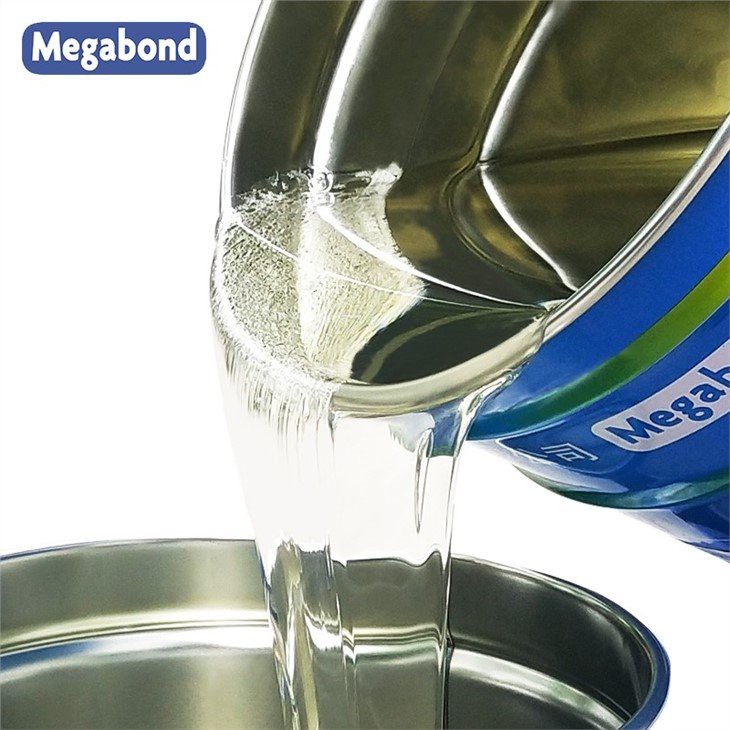
First off, let's talk about what viscosity actually is. In simple terms, viscosity is a measure of a fluid's resistance to flow. Think of honey and water. Honey has a high viscosity, which means it flows slowly and is thick. Water, on the other hand, has a low viscosity and flows easily. When it comes to PU lamination adhesive, the right viscosity is crucial for getting a good bond between the materials you're laminating.
Why Adjust the Viscosity?
There are a few reasons why you might want to adjust the viscosity of your PU lamination adhesive. One common reason is the application method. If you're using a spray gun, you'll generally want a lower viscosity adhesive so it can be easily atomized and sprayed evenly. On the other hand, if you're using a roller or a brush, a slightly higher viscosity might be better to prevent the adhesive from dripping or running.
Another reason is the type of materials you're laminating. Different materials have different surface characteristics, and the viscosity of the adhesive can affect how well it wets out and adheres to these surfaces. For example, porous materials might require a lower viscosity adhesive to penetrate the pores and create a strong bond, while smooth surfaces might work better with a higher viscosity adhesive.
Methods to Adjust Viscosity
Solvent Addition
One of the most common ways to adjust the viscosity of PU lamination adhesive is by adding a solvent. Solvents can thin out the adhesive, reducing its viscosity. However, it's important to choose the right solvent. The solvent should be compatible with the adhesive and the materials you're laminating.
For our Solvent-based AL Copper Material Laminating Adhesive, we recommend using a solvent that is specifically formulated for polyurethane adhesives. Adding a small amount of solvent at a time and stirring well can help you achieve the desired viscosity. Just be careful not to add too much solvent, as this can affect the adhesive's performance, such as reducing its bond strength or increasing drying time.
Temperature Control
Temperature also plays a big role in the viscosity of PU lamination adhesive. Generally, as the temperature increases, the viscosity decreases. This is because the molecules in the adhesive have more energy and can move more freely at higher temperatures.
If you need to lower the viscosity, you can gently heat the adhesive. However, you need to be careful not to overheat it, as this can cause the adhesive to react prematurely or degrade. On the other hand, if you need to increase the viscosity, you can cool the adhesive down. But again, make sure not to let it get too cold, as this can also affect its performance.
Mixing Ratio
The mixing ratio of the components in a two - part PU lamination adhesive can also affect the viscosity. In a two - part adhesive, you usually have a resin and a hardener. Changing the ratio of these two components can change the viscosity of the mixed adhesive.
For example, if you increase the amount of resin relative to the hardener, the viscosity might increase. However, this can also affect the curing time and the final properties of the adhesive. So, it's important to follow the manufacturer's recommended mixing ratio as closely as possible and only make small adjustments if necessary.
Testing the Viscosity
Once you've adjusted the viscosity of your PU lamination adhesive, it's important to test it to make sure it's suitable for your application. You can use a simple method like the flow cup test. A flow cup is a small cup with a hole at the bottom. You fill the cup with the adhesive and time how long it takes for the adhesive to flow out of the hole. The longer it takes, the higher the viscosity.
You can also do a test application on a small piece of the materials you're laminating. Check if the adhesive spreads evenly, wets out the surfaces properly, and forms a good bond. If there are any issues, you might need to make further adjustments to the viscosity.
Our Product Range
We offer a wide range of PU lamination adhesives for different applications. Our Solvent-based Metal Plastic Tinplate Laminating PU Glue is great for laminating metal, plastic, and tinplate materials. It has excellent adhesion properties and can be adjusted in viscosity to suit your specific needs.
Another popular product is our Solvent-based DMD Insulation Laminating Adhesive. This adhesive is designed for laminating DMD insulation materials and provides good electrical insulation properties in addition to strong adhesion.
Conclusion
Adjusting the viscosity of PU lamination adhesive is an important step in getting the best results from your lamination process. By understanding the factors that affect viscosity and using the right methods to adjust it, you can ensure that your adhesive performs well and creates a strong, durable bond.
If you're interested in our PU lamination adhesives or have any questions about viscosity adjustment, feel free to reach out. We're here to help you find the right adhesive for your application and provide you with the support you need to get the best results.

References
- "Polyurethane Adhesives: Chemistry, Technology, and Applications" - A comprehensive book on polyurethane adhesives that covers viscosity and other important properties.
- Manufacturer's technical data sheets for our PU lamination adhesives, which provide detailed information on viscosity, application methods, and other relevant properties.