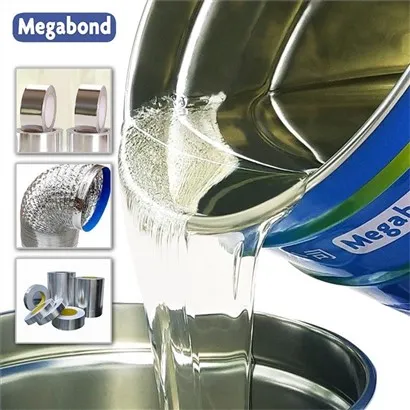


Polyether lamination adhesive is a crucial component in various industries, especially in packaging and laminating applications. As a supplier of high - quality polyether lamination adhesives, I am excited to share some insights on how to apply this adhesive effectively.
Understanding Polyether Lamination Adhesive
Before diving into the application process, it's essential to understand what polyether lamination adhesive is. Polyether lamination adhesives are known for their excellent bonding properties, flexibility, and resistance to various environmental factors. They are often used in laminating different materials such as plastics, papers, and foils, creating strong and durable bonds.
Our company offers a range of polyether lamination adhesives, including Solvent - free Polyether Laminating Adhesive. This type of adhesive is not only environmentally friendly but also provides high - performance bonding for different lamination requirements.
Surface Preparation
The first step in applying polyether lamination adhesive is surface preparation. The surfaces to be bonded must be clean, dry, and free from any contaminants such as dust, grease, or oil. Even small amounts of contaminants can significantly reduce the adhesive's bonding strength.
- Cleaning: Use a suitable cleaning agent to remove dirt and debris from the surfaces. For plastic materials, a mild detergent solution can be used, followed by thorough rinsing and drying. For metal or glass surfaces, a solvent - based cleaner may be more appropriate.
- Drying: After cleaning, ensure that the surfaces are completely dry. Moisture can interfere with the adhesive's curing process and lead to poor bonding. You can use a clean, dry cloth or allow the surfaces to air - dry naturally.
Adhesive Mixing
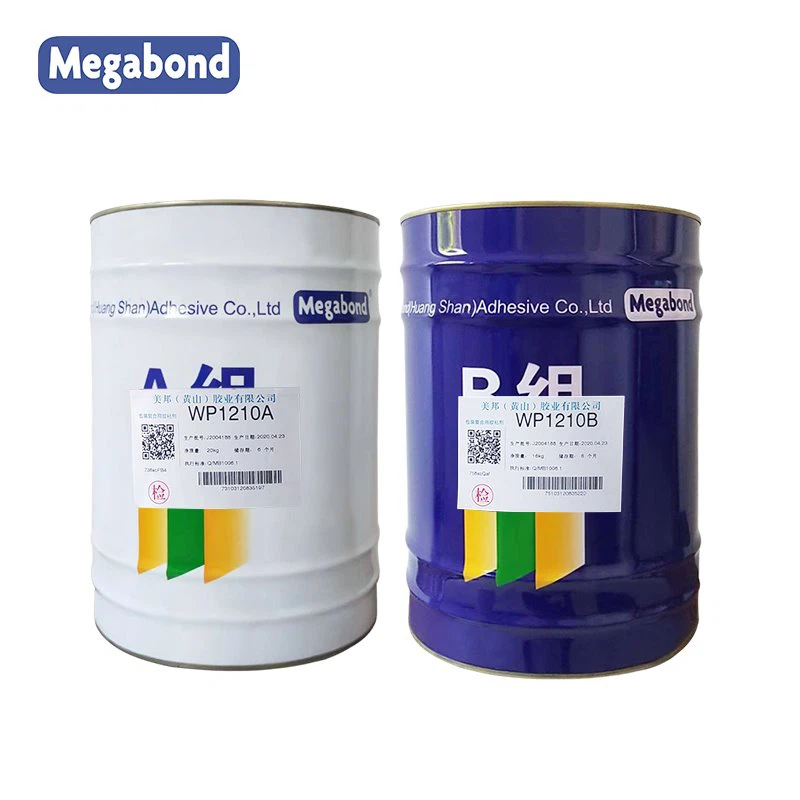
Most polyether lamination adhesives are two - component systems, consisting of a resin and a hardener. Proper mixing is crucial to ensure the adhesive reaches its full bonding potential.
- Ratio: Follow the manufacturer's instructions carefully to determine the correct mixing ratio of the resin and the hardener. Incorrect ratios can result in incomplete curing, reduced bonding strength, or other performance issues.
- Mixing Method: Use a clean, dry container and a mixing tool such as a spatula or a mechanical mixer. Stir the two components thoroughly for the recommended time. For small - scale applications, manual mixing may be sufficient, but for larger projects, a mechanical mixer can ensure more consistent mixing.
Application Techniques
There are several methods for applying polyether lamination adhesive, and the choice of method depends on the specific application and the materials being bonded.

- Roll Coating: This is a common method for applying adhesive to large, flat surfaces. A roller is used to spread the adhesive evenly over the surface. The thickness of the adhesive layer can be controlled by adjusting the roller's pressure and the speed of application.
- Spray Coating: Spray coating is suitable for applications where a thin, uniform layer of adhesive is required. It can be used for complex shapes or irregular surfaces. However, it requires proper equipment and ventilation to ensure a safe and effective application.
- Brush Coating: Brush coating is a simple and cost - effective method for small - scale applications. It allows for precise control of the adhesive application, especially in areas where a high level of detail is required.
Lamination Process
Once the adhesive is applied to one or both surfaces, the lamination process can begin.
- Alignment: Carefully align the two surfaces to be bonded to ensure accurate positioning. Any misalignment can result in a weak bond or an uneven appearance.
- Pressure Application: Apply pressure to the bonded surfaces to ensure good contact between the adhesive and the materials. The amount of pressure required depends on the type of materials and the adhesive used. For some applications, a light pressure may be sufficient, while for others, a more significant amount of pressure may be needed. You can use a roller, a press, or other suitable equipment to apply pressure.
- Curing Time: After lamination, the adhesive needs time to cure. The curing time depends on various factors such as the type of adhesive, temperature, and humidity. Generally, polyether lamination adhesives require a certain period at room temperature to reach their initial curing stage. However, in some cases, elevated temperatures may be used to accelerate the curing process.
Quality Control
During and after the application process, it's important to conduct quality control checks to ensure the adhesive is applied correctly and the bonding is of high quality.
- Visual Inspection: Check for any signs of uneven adhesive distribution, air bubbles, or gaps in the bond. If any issues are found, they should be addressed immediately.
- Bond Strength Testing: Periodically perform bond strength tests to verify the adhesive's performance. This can be done using a simple peel test or a more advanced testing method depending on the application requirements.
Special Considerations for Retortable Applications
For retortable applications, where the laminated products are subjected to high - temperature and high - pressure sterilization processes, special attention should be paid to the adhesive selection and application.
- Adhesive Selection: Our company offers Solvent - free 125℃ Retortable Laminating Adhesive and Solvent - free 121℃ Retortable Laminating Adhesive. These adhesives are specifically designed to withstand the harsh conditions of retort processes and provide long - term bonding stability.
- Process Optimization: The application and curing processes may need to be optimized for retortable applications. For example, the curing temperature and time may need to be adjusted to ensure the adhesive can withstand the subsequent retort process.
Conclusion
Applying polyether lamination adhesive requires careful attention to every step, from surface preparation to quality control. By following the guidelines outlined in this blog, you can ensure a successful lamination process and achieve high - quality bonds.
If you are interested in our polyether lamination adhesives or have any questions about their application, please feel free to contact us for further discussion and potential procurement. We are committed to providing you with the best adhesive solutions for your specific needs.
References
- Manufacturer's technical data sheets for polyether lamination adhesives
- Industry standards and guidelines for lamination processes