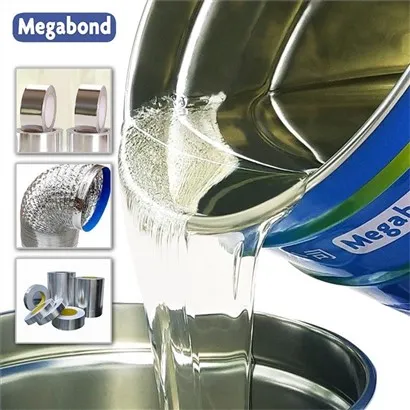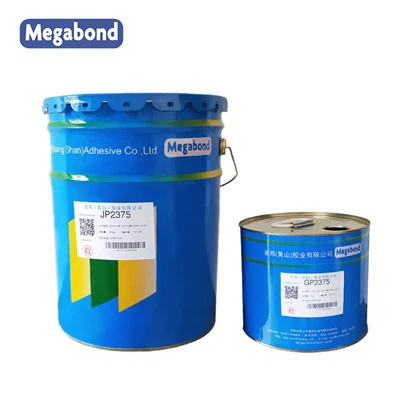


As a supplier of solvent-based laminating adhesives, I've witnessed firsthand the critical role these products play in various industries, especially when it comes to static resistance. In this blog, I'll delve into how solvent-based laminating adhesives perform in terms of static resistance, exploring the science behind it, real-world applications, and the benefits they offer.
The Science of Static Resistance in Solvent-Based Laminating Adhesives
Static electricity is a common phenomenon that occurs when two materials come into contact and then separate, causing an imbalance of electric charges. In the context of laminating processes, static electricity can lead to a range of issues, such as dust attraction, poor adhesion, and even damage to sensitive electronic components. Solvent-based laminating adhesives are designed to address these problems by incorporating specific additives and formulations that enhance their static resistance.
One of the key factors influencing static resistance is the conductivity of the adhesive. Conductive additives, such as carbon black or metallic particles, can be added to the adhesive formulation to increase its electrical conductivity. These additives create a path for the static charges to flow, preventing the buildup of static electricity on the surface of the laminated materials. Additionally, some solvent-based adhesives are formulated with anti-static agents that migrate to the surface of the adhesive during the drying process, forming a thin layer that helps to dissipate static charges.
Another important aspect of static resistance is the surface energy of the adhesive. Adhesives with low surface energy tend to have better static resistance because they are less likely to attract and hold static charges. This can be achieved through the use of specific polymers and additives that modify the surface properties of the adhesive. For example, silicone-based additives can be used to reduce the surface energy of the adhesive, making it more resistant to static buildup.


Real-World Applications of Solvent-Based Laminating Adhesives with Static Resistance
Solvent-based laminating adhesives with excellent static resistance are widely used in a variety of industries, including packaging, electronics, and automotive. Here are some examples of how these adhesives are used in real-world applications:
- Packaging: In the packaging industry, static resistance is crucial to prevent dust and debris from adhering to the surface of the packaged products. Solvent-based laminating adhesives with high static resistance are used to laminate various packaging materials, such as paper, cardboard, and plastic films. These adhesives ensure that the packaged products remain clean and free from static charges, improving their appearance and quality.
- Electronics: In the electronics industry, static electricity can cause serious damage to sensitive electronic components. Solvent-based laminating adhesives with excellent static resistance are used to bond and protect electronic components, such as circuit boards, displays, and sensors. These adhesives help to prevent static buildup during the manufacturing and assembly process, reducing the risk of electrostatic discharge (ESD) and ensuring the reliability of the electronic products.
- Automotive: In the automotive industry, static resistance is important to prevent the accumulation of dust and dirt on the interior and exterior surfaces of vehicles. Solvent-based laminating adhesives with high static resistance are used to laminate various automotive components, such as dashboards, door panels, and seat covers. These adhesives ensure that the automotive interiors remain clean and free from static charges, improving the comfort and aesthetics of the vehicles.
Benefits of Using Solvent-Based Laminating Adhesives with Static Resistance
Using solvent-based laminating adhesives with excellent static resistance offers several benefits for manufacturers and end-users. Here are some of the key benefits:
- Improved Product Quality: By preventing the buildup of static electricity, solvent-based laminating adhesives with static resistance help to improve the quality and appearance of the laminated products. This is especially important in industries where product aesthetics and cleanliness are critical, such as packaging and electronics.
- Enhanced Product Performance: Static electricity can cause a range of problems, such as poor adhesion, dust attraction, and damage to sensitive components. By using adhesives with high static resistance, manufacturers can ensure that their products perform reliably and consistently, reducing the risk of product failures and customer complaints.
- Increased Productivity: Solvent-based laminating adhesives with static resistance can help to increase productivity by reducing the time and effort required to clean and maintain the laminated products. This is especially beneficial in high-volume manufacturing environments where efficiency is key.
- Cost Savings: By preventing the damage caused by static electricity, solvent-based laminating adhesives with static resistance can help to reduce the cost of production and maintenance. This includes the cost of replacing damaged components, as well as the cost of downtime due to production interruptions.
Our Solvent-Based Laminating Adhesives with Static Resistance
At our company, we offer a range of solvent-based laminating adhesives with excellent static resistance. Our adhesives are formulated using the latest technology and high-quality materials to ensure optimal performance and reliability. Here are some of our featured products:
- Solvent-based MET Plastic Film Laminating Adhesive: This adhesive is specifically designed for laminating metalized plastic films. It offers excellent static resistance, high bond strength, and good chemical resistance.
- Solvent-based 121℃ Anti-Retorting Laminating Adhesive: This adhesive is suitable for applications requiring high-temperature resistance, such as retort packaging. It has excellent static resistance, as well as good adhesion and flexibility.
- Solvent-based MET Plastic Film Laminating Adhesive: This adhesive is ideal for laminating metalized plastic films in various packaging applications. It provides excellent static resistance, high bond strength, and good heat resistance.
Contact Us for More Information
If you're interested in learning more about our solvent-based laminating adhesives with static resistance or have any questions about our products, please don't hesitate to contact us. Our team of experts is available to provide you with detailed information and technical support. We can also work with you to develop customized adhesive solutions to meet your specific requirements.
Whether you're in the packaging, electronics, or automotive industry, our solvent-based laminating adhesives with excellent static resistance can help you to improve the quality and performance of your products. Contact us today to discuss your needs and find the right adhesive solution for your application.
References
- "Static Electricity in Packaging: Causes, Effects, and Solutions." Packaging Digest, https://www.packagingdigest.com/article/static-electricity-packaging-causes-effects-and-solutions.
- "Anti-Static Adhesives for Electronics Applications." Adhesives & Sealants Industry, https://www.adhesivesmag.com/articles/86774-anti-static-adhesives-for-electronics-applications.
- "Solvent-Based Laminating Adhesives: A Comprehensive Guide." Adhesives.org, https://www.adhesives.org/knowledge-center/solvent-based-laminating-adhesives-a-comprehensive-guide.