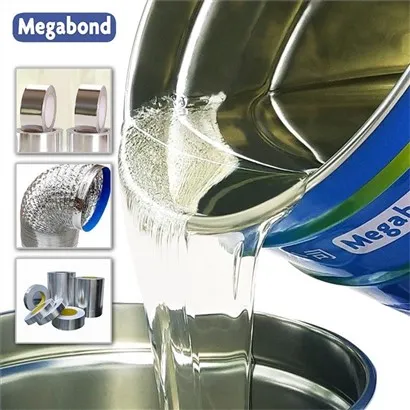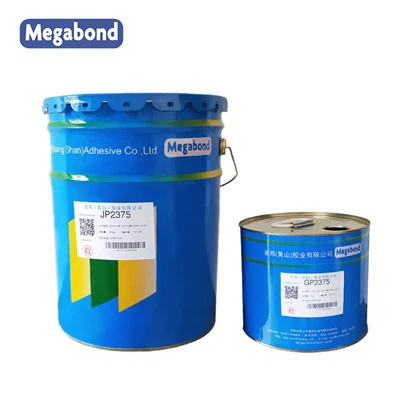


Spills of solvent-based lamination adhesive can be a messy and potentially hazardous situation. As a supplier of high-quality solvent-based lamination adhesives, including products like Solvent-based 125℃ Anti-Retorting Laminating Adhesive, Solvent-based Anti-Chemicals Polyether Laminating Adhesive, and Solvent-based 121℃ Anti-Retorting Laminating Adhesive, I understand the importance of proper cleanup procedures. In this blog post, I'll share some practical tips on how to clean up solvent-based lamination adhesive spills effectively and safely.
Understanding the Nature of Solvent-Based Lamination Adhesives
Before diving into the cleanup process, it's crucial to understand the characteristics of solvent-based lamination adhesives. These adhesives typically contain solvents such as toluene, xylene, or ethyl acetate, which help to dissolve the adhesive components and provide good wetting and bonding properties. However, these solvents are volatile and flammable, and they can also pose health risks if inhaled or absorbed through the skin.
Solvent-based lamination adhesives are known for their strong bonding strength and excellent resistance to heat, chemicals, and moisture. They are commonly used in applications such as flexible packaging, labels, and automotive interiors. But when a spill occurs, the solvents can evaporate quickly, leaving behind a sticky residue that can be difficult to remove.
Safety First: Precautions Before Cleanup
Safety should always be the top priority when dealing with solvent-based lamination adhesive spills. Here are some essential precautions to take before starting the cleanup process:

- Wear Protective Gear: Put on appropriate personal protective equipment (PPE), including gloves, safety glasses, and a respirator. Gloves should be made of a material that is resistant to solvents, such as nitrile or neoprene. A respirator with an organic vapor cartridge is necessary to protect against inhaling solvent vapors.
- Ventilate the Area: Open windows and doors to ensure good ventilation. If possible, use exhaust fans to remove solvent vapors from the area. Avoid working in confined spaces without proper ventilation.
- Eliminate Ignition Sources: Solvent vapors are flammable, so it's important to turn off any sources of ignition, such as open flames, electrical equipment, and smoking materials. Keep the area well away from heat sources and sparks.
- Contain the Spill: Use absorbent materials such as sand, vermiculite, or spill pillows to contain the spill and prevent it from spreading. Place the absorbent material around the perimeter of the spill and gradually work towards the center.
Step-by-Step Cleanup Process
Once you've taken the necessary safety precautions, you can start the cleanup process. Here's a step-by-step guide on how to clean up solvent-based lamination adhesive spills:
- Remove Excess Adhesive: Use a scraper or spatula to remove as much of the excess adhesive as possible. Be careful not to spread the adhesive further. Place the removed adhesive in a sealed container for proper disposal.
- Apply a Solvent Cleaner: Choose a solvent cleaner that is compatible with the solvent-based lamination adhesive. Some common solvent cleaners include acetone, isopropyl alcohol, or a specialized adhesive remover. Apply the cleaner to a clean cloth or sponge and gently blot the spill area. Avoid rubbing the adhesive, as this can spread it and make the cleanup more difficult.
- Scrub the Area: If the adhesive is still stubborn, use a soft-bristled brush to scrub the area gently. Be careful not to damage the surface. Rinse the area with clean water after scrubbing to remove any remaining cleaner and adhesive residue.
- Repeat the Process: For larger spills or stubborn adhesive stains, you may need to repeat the cleaning process several times. Be patient and persistent, and keep applying the cleaner until the adhesive is completely removed.
- Dispose of Waste Properly: All waste materials, including used absorbent materials, scrapers, and cleaning cloths, should be disposed of properly according to local regulations. Solvent-based lamination adhesives and their associated waste are considered hazardous materials, so they must be handled and disposed of in a safe and environmentally friendly manner.
Cleaning Different Surfaces
The cleanup process may vary depending on the surface where the spill occurred. Here are some tips on cleaning solvent-based lamination adhesive spills from different surfaces:
- Hard Surfaces: For hard surfaces such as floors, countertops, and walls, follow the steps outlined above. After cleaning, dry the surface thoroughly to prevent water damage.
- Fabric Surfaces: If the spill occurs on fabric, such as clothing or upholstery, act quickly. Blot the spill with a clean cloth to remove as much of the adhesive as possible. Then, apply a small amount of solvent cleaner to a hidden area of the fabric to test for colorfastness. If there is no color change, gently blot the spill area with the cleaner. Rinse the fabric with clean water and allow it to dry.
- Equipment and Machinery: When cleaning solvent-based lamination adhesive spills from equipment and machinery, it's important to follow the manufacturer's instructions. Some equipment may require special cleaning procedures or the use of specific cleaning agents. Be careful not to damage any sensitive components.
Preventing Future Spills
Preventing spills is always better than dealing with them after they occur. Here are some tips to help prevent solvent-based lamination adhesive spills:
- Use Proper Storage and Handling Procedures: Store solvent-based lamination adhesives in a cool, dry place away from heat sources and direct sunlight. Make sure the containers are tightly sealed to prevent leaks. When handling the adhesives, use appropriate equipment such as pumps, hoses, and valves to minimize the risk of spills.
- Train Employees: Provide proper training to employees on the safe handling and use of solvent-based lamination adhesives. Make sure they understand the potential hazards and know how to follow the correct procedures in case of a spill.
- Inspect Equipment Regularly: Regularly inspect equipment and machinery for leaks or other signs of damage. Replace any worn or damaged parts immediately to prevent spills.
- Have a Spill Response Plan: Develop a spill response plan that outlines the steps to take in case of a spill. Make sure all employees are familiar with the plan and know where to find the necessary spill cleanup supplies.
Conclusion
Cleaning up solvent-based lamination adhesive spills requires careful planning and the use of proper safety precautions. By following the steps outlined in this blog post, you can effectively and safely clean up spills and minimize the risk of damage to people and the environment. As a supplier of solvent-based lamination adhesives, I'm committed to providing high-quality products and helping my customers maintain a safe and clean working environment.
If you have any questions about solvent-based lamination adhesives or need assistance with spill cleanup, please don't hesitate to contact me. I'm here to help you find the right solutions for your adhesive needs. Whether you're looking for a reliable adhesive for your packaging application or need advice on spill prevention and cleanup, I'm just a message away. Let's work together to ensure the success of your projects and the safety of your workplace.
References
- "Solvent-Based Adhesives: Properties, Applications, and Safety Considerations." Chemical Safety Facts.
- "Cleaning Up Hazardous Chemical Spills." Occupational Safety and Health Administration (OSHA).
- Manufacturer's product data sheets for solvent-based lamination adhesives.