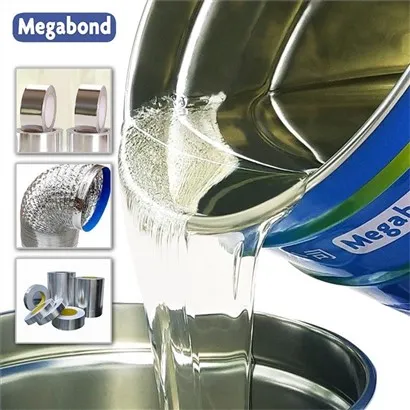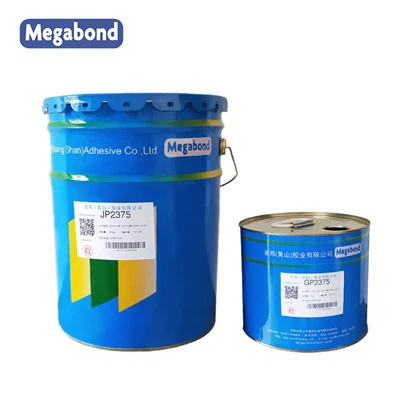


Ensuring consistent bonding with solventless lamination adhesive is a critical aspect in the packaging industry. As a supplier of solventless lamination adhesives, I understand the challenges and requirements that manufacturers face. In this blog, I will share some key strategies and considerations to achieve reliable and consistent bonding results.
Understanding Solventless Lamination Adhesives
Solventless lamination adhesives offer several advantages over solvent - based adhesives, such as environmental friendliness, cost - effectiveness, and faster production speeds. These adhesives are typically composed of two components: a polyol and an isocyanate. When mixed, they react to form a strong bond between different substrates, such as films and foils.
There are different types of solventless lamination adhesives available in the market, each designed for specific applications. For instance, the Solvent - free Polyether Laminating Adhesive is known for its excellent flexibility and adhesion to a wide range of substrates. The Solvent - free 121℃ Retortable Laminating Adhesive is specifically formulated to withstand high - temperature retort processes, making it suitable for food packaging that requires sterilization. And the Solvent - free Anti - Chemicals Laminating Adhesive provides resistance against chemicals, which is crucial for packaging products that may come into contact with aggressive substances.
Substrate Preparation
One of the fundamental steps in ensuring consistent bonding is proper substrate preparation. The surface of the substrates must be clean, dry, and free from any contaminants such as dust, oil, or static electricity. Even small amounts of impurities can significantly reduce the adhesive's ability to bond effectively.
Before lamination, it is recommended to conduct surface energy tests on the substrates. The surface energy of the substrate should be higher than that of the adhesive to ensure good wetting. If the surface energy is too low, surface treatment methods such as corona treatment or flame treatment can be used to increase it. These treatments modify the surface chemistry of the substrate, creating a more receptive surface for the adhesive.
Adhesive Mixing
Accurate adhesive mixing is essential for consistent bonding. Solventless lamination adhesives are typically two - component systems, and the ratio of the two components must be precisely measured. Incorrect mixing ratios can lead to incomplete curing, reduced bond strength, and other quality issues.
Most modern adhesive application systems are equipped with automatic mixing units that can accurately measure and mix the two components. However, it is still important to regularly calibrate these units to ensure their accuracy. Additionally, the mixing process should be carried out in a controlled environment to prevent the introduction of air bubbles, which can also affect the bonding quality.
Application Conditions
The application conditions, including temperature and humidity, can have a significant impact on the performance of solventless lamination adhesives. The adhesive should be applied at the recommended temperature range specified by the manufacturer. If the temperature is too low, the adhesive may become too viscous, making it difficult to apply evenly. On the other hand, if the temperature is too high, the adhesive may cure too quickly, resulting in poor wetting and bonding.
Humidity also plays a role in the curing process of the adhesive. High humidity can cause the adhesive to absorb moisture from the air, which may affect its chemical reaction and bonding properties. It is important to maintain a stable humidity level in the lamination area, especially when working with moisture - sensitive adhesives.
Line Speed and Pressure
The line speed during the lamination process can affect the bonding quality. A too - high line speed may not allow sufficient time for the adhesive to wet the substrates properly, while a too - low line speed can lead to over - curing of the adhesive. It is necessary to find the optimal line speed based on the type of adhesive, substrates, and equipment being used.
In addition to line speed, the pressure applied during lamination is also crucial. Adequate pressure ensures good contact between the adhesive and the substrates, promoting better bonding. The pressure should be evenly distributed across the entire width of the laminate. Uneven pressure can result in areas of poor bonding or delamination.
Curing Process
Proper curing is the final step in ensuring consistent bonding. After the adhesive is applied and the substrates are laminated, the laminate needs to be cured under the appropriate conditions. The curing time and temperature depend on the type of adhesive used.
Some adhesives may require a post - curing step at elevated temperatures to achieve full bond strength. This post - curing process helps to complete the chemical reaction between the two components of the adhesive and enhances the bond durability. It is important to follow the manufacturer's recommendations regarding the curing process to avoid under - curing or over - curing, both of which can lead to bonding problems.


Quality Control
Implementing a comprehensive quality control program is essential to ensure consistent bonding with solventless lamination adhesives. Regular inspections should be carried out during the lamination process to detect any potential issues early.
Some common quality control tests include peel strength tests, which measure the force required to separate the laminated substrates. These tests can be performed at different intervals to monitor the bond strength over time. Visual inspections can also be used to check for any signs of delamination, air bubbles, or uneven adhesive distribution.
Troubleshooting
Despite taking all the necessary precautions, problems may still occur during the lamination process. Some common issues include delamination, poor bond strength, and adhesive transfer problems.
If delamination occurs, it could be due to improper substrate preparation, incorrect adhesive mixing, or inadequate curing. By carefully analyzing the process and conducting appropriate tests, the root cause can be identified and corrective actions can be taken. For example, if the problem is related to substrate surface energy, surface treatment can be adjusted.
Poor bond strength may be caused by incorrect application conditions, such as low temperature or high humidity. Adjusting these conditions to the recommended range can often solve the problem. Adhesive transfer problems can be addressed by checking the adhesive application equipment for blockages or malfunctions.
Conclusion
Ensuring consistent bonding with solventless lamination adhesives requires a combination of proper substrate preparation, accurate adhesive mixing, optimal application conditions, and a well - controlled curing process. By following these guidelines and implementing a comprehensive quality control program, manufacturers can achieve high - quality laminates with reliable bond strength.
As a supplier of solventless lamination adhesives, we are committed to providing our customers with high - quality products and technical support. If you are facing any challenges in your lamination process or are interested in learning more about our products, we encourage you to contact us for a detailed discussion. Our team of experts is ready to assist you in finding the best adhesive solutions for your specific needs.
References
- "Lamination Technology Handbook" by John A. Semmens
- "Adhesive Bonding: Science, Technology, and Applications" by A. V. Pocius