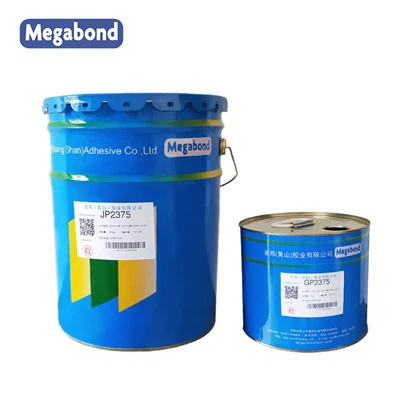


Hey there! As a film lamination adhesive supplier, I know firsthand how crucial it is to ensure the safety of workers when using our products. Film lamination adhesives are used in a wide range of industries, from packaging to printing, and while they offer excellent bonding properties, they can also pose certain risks if not handled properly. In this blog post, I'll share some tips on how to keep your workers safe when using film lamination adhesive.
Understanding the Risks
Before we dive into the safety measures, it's important to understand the potential risks associated with film lamination adhesives. Most adhesives contain chemicals that can be harmful if inhaled, ingested, or come into contact with the skin. Some of the common risks include:
- Respiratory problems: Inhaling adhesive fumes can cause irritation to the nose, throat, and lungs, leading to coughing, wheezing, and shortness of breath. Prolonged exposure to certain chemicals in adhesives can also increase the risk of developing respiratory diseases such as asthma.
- Skin irritation: Contact with adhesive can cause skin irritation, redness, and itching. Some adhesives may also cause allergic reactions in sensitive individuals.
- Eye damage: Splashing adhesive into the eyes can cause severe irritation, pain, and even permanent damage.
Safety Measures
Now that we know the risks, let's talk about some safety measures that can help protect your workers:
1. Provide Proper Training
One of the most important steps in ensuring worker safety is to provide comprehensive training on the proper use and handling of film lamination adhesives. Workers should be educated on the potential risks associated with the adhesive, as well as the safety procedures and equipment required to minimize these risks. Training should cover topics such as:


- Reading the safety data sheet (SDS): The SDS provides detailed information about the adhesive, including its chemical composition, physical and chemical properties, and safety precautions. Workers should be trained to read and understand the SDS before using the adhesive.
- Using personal protective equipment (PPE): PPE such as gloves, goggles, and respirators can help protect workers from exposure to adhesive fumes and chemicals. Workers should be trained on how to select, use, and maintain the appropriate PPE for the task at hand.
- Safe handling and storage: Workers should be trained on the proper handling and storage of film lamination adhesives to prevent spills, leaks, and other accidents. This includes following the manufacturer's instructions for mixing, applying, and cleaning up the adhesive.
2. Use Adequate Ventilation
Proper ventilation is essential when using film lamination adhesives to remove fumes and prevent their accumulation in the work area. Adequate ventilation can help reduce the risk of respiratory problems and other health issues associated with adhesive fumes. Here are some tips for ensuring adequate ventilation:
- Use local exhaust ventilation: Local exhaust ventilation systems, such as fume hoods or downdraft tables, can be used to capture and remove adhesive fumes at the source. These systems should be properly installed, maintained, and operated to ensure their effectiveness.
- Provide general ventilation: In addition to local exhaust ventilation, general ventilation can also help improve air quality in the work area. This can be achieved by using fans, open windows, or air conditioning systems to circulate fresh air throughout the space.
- Monitor air quality: Regularly monitoring the air quality in the work area can help ensure that ventilation systems are working effectively and that workers are not being exposed to harmful levels of adhesive fumes. Air quality monitoring can be done using portable air quality monitors or by hiring a professional air quality testing company.
3. Wear Appropriate PPE
As mentioned earlier, wearing appropriate PPE is essential for protecting workers from exposure to adhesive fumes and chemicals. Here are some tips for selecting and using PPE:
- Gloves: Gloves should be made of a material that is resistant to the adhesive and chemicals being used. Nitrile gloves are a popular choice for working with film lamination adhesives because they are resistant to many chemicals and provide good dexterity.
- Goggles: Goggles should be worn to protect the eyes from splashes and spills of adhesive. Safety goggles with side shields are recommended to provide maximum protection.
- Respirators: Respirators should be worn when working in areas with poor ventilation or when the adhesive fumes are particularly strong. The type of respirator required will depend on the specific adhesive being used and the level of exposure. Workers should be trained on how to select, fit, and use the appropriate respirator for the task at hand.
4. Follow Safe Handling Procedures
In addition to providing training and using appropriate PPE, following safe handling procedures is also important for ensuring worker safety. Here are some tips for handling film lamination adhesives safely:
- Mix adhesives in a well-ventilated area: When mixing adhesives, it's important to do so in a well-ventilated area to prevent the accumulation of fumes. Follow the manufacturer's instructions for mixing the adhesive, and use the appropriate mixing equipment.
- Apply adhesives in a controlled manner: When applying adhesives, use a brush, roller, or spray gun to apply the adhesive in a controlled manner. Avoid over-applying the adhesive, as this can increase the risk of spills and splashes.
- Clean up spills immediately: If a spill occurs, clean it up immediately using appropriate cleaning materials. Follow the manufacturer's instructions for cleaning up the adhesive, and dispose of the contaminated materials properly.
5. Choose the Right Adhesive
Finally, choosing the right adhesive for the job is also important for ensuring worker safety. When selecting an adhesive, consider the following factors:
- Chemical composition: Look for adhesives that have a low volatile organic compound (VOC) content to reduce the risk of respiratory problems. Some adhesives may also be labeled as "low odor" or "odorless" to further reduce the risk of irritation.
- Application method: Consider the application method when selecting an adhesive. Some adhesives may be more suitable for certain application methods than others. For example, spray adhesives may require more ventilation than brush or roller adhesives.
- Safety features: Some adhesives may have additional safety features, such as self-extinguishing properties or low flammability, which can help reduce the risk of fire and other accidents.
Our Product Recommendations
As a film lamination adhesive supplier, we offer a range of high-quality adhesives that are designed to meet the needs of various industries. Here are some of our product recommendations:
- Solvent-based MET Plastic Film Laminating Adhesive: This adhesive is specifically designed for laminating MET plastic films and offers excellent bonding strength and heat resistance.
- Solvent-based 121℃ Anti-Retorting Laminating Adhesive: This adhesive is suitable for use in applications where the laminated product will be subjected to high temperatures and pressures, such as retorting. It offers excellent anti-retorting properties and can withstand temperatures up to 121℃.
- Solvent-based AL-plating Film Laminating Adhesive: This adhesive is designed for laminating AL-plating films and provides excellent adhesion and barrier properties.
Conclusion
Ensuring the safety of workers when using film lamination adhesive is essential for protecting their health and well-being. By providing proper training, using adequate ventilation, wearing appropriate PPE, following safe handling procedures, and choosing the right adhesive, you can minimize the risks associated with adhesive use and create a safer work environment for your employees.
If you have any questions about our film lamination adhesives or need help selecting the right adhesive for your application, please don't hesitate to contact us. We're here to help you find the best solution for your needs and ensure the safety of your workers.
References
- "Occupational Safety and Health Administration (OSHA) - Chemical Hazards and Toxic Substances." OSHA.gov.
- "National Institute for Occupational Safety and Health (NIOSH) - Chemical Hazards." NIOSH.gov.
- "Safety Data Sheets (SDS) - How to Read and Understand Them." OSHA.gov.