

Hey there! I'm a supplier of laminating adhesives, and I've been thinking a lot about how we can make our products more eco - friendly. In today's world, being green isn't just a trend; it's a necessity. So, let's dive into some ways we can transform laminating adhesives to be kinder to the environment.
Understanding the Environmental Impact of Traditional Laminating Adhesives
First off, we need to know what makes traditional laminating adhesives a bit of a problem for the environment. A lot of them contain solvents. These solvents are often volatile organic compounds (VOCs). When these adhesives are used, the VOCs are released into the air. This can contribute to air pollution and even harm human health. Long - term exposure to VOCs can cause respiratory problems, headaches, and in some cases, more serious health issues.
Another issue is the waste generated. Many laminating adhesives end up in landfills when products are discarded. Some adhesives don't break down easily, which means they stay in the environment for a long time, taking up space and potentially leaching harmful chemicals into the soil and water.


Using Renewable Raw Materials
One of the best ways to make laminating adhesives more eco - friendly is by using renewable raw materials. Instead of relying on petroleum - based chemicals, we can look at natural resources. For example, plant - based polymers can be a great alternative. These polymers are derived from sources like soybeans, corn, or sugarcane. They're renewable because these plants can be grown again and again.
Using plant - based polymers also has the added benefit of reducing our carbon footprint. The plants absorb carbon dioxide from the atmosphere as they grow. So, when we use materials derived from them, we're essentially using a carbon - neutral or even carbon - negative resource.
We've been working on developing adhesives that use these renewable materials. It's not always easy, though. The properties of plant - based polymers can be different from traditional ones. We have to make sure the adhesive still has good bonding strength, flexibility, and durability. But with some research and development, we've managed to come up with some promising formulations.
Reducing Solvent Use
As I mentioned earlier, solvents in laminating adhesives are a big environmental concern. One solution is to switch to solvent - free adhesives. These adhesives don't release VOCs into the air during the laminating process.
We offer several solvent - free options, like the Solvent - free 125℃ Retortable Laminating Adhesive. This adhesive is great for applications where high - temperature resistance is needed. It can withstand the rigors of retort processing without compromising on environmental friendliness.
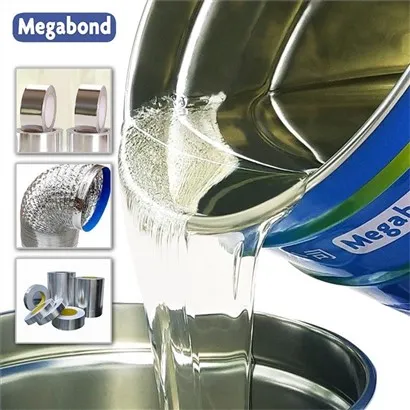
Another option is the Solvent - free Aluminum Foil To Films Laminating Adhesive. This adhesive is specifically designed for laminating aluminum foil to different types of films. It provides a strong bond while keeping the environment in mind.
And then there's the Solvent - free Polyether Laminating Adhesive. This adhesive has excellent flexibility and adhesion properties, making it suitable for a wide range of applications.
Improving Adhesive Efficiency
Making laminating adhesives more eco - friendly also means using them more efficiently. We can do this by improving the application process. For example, using better coating techniques can ensure that the adhesive is applied evenly and in the right amount. This reduces waste because we're not using more adhesive than necessary.
We can also work on developing adhesives that have a faster curing time. When adhesives cure quickly, it means less energy is used in the production process. This not only saves energy but also increases productivity.
Designing for Recycling
The end - of - life of products is an important consideration. We can design laminating adhesives in a way that makes it easier to recycle the products they're used in. For example, we can develop adhesives that can be easily separated from other materials during the recycling process.
Some adhesives can be formulated to dissolve in certain solvents under specific conditions. This allows the different layers of a laminated product to be separated, and the materials can then be recycled more effectively.
Educating Customers
As a supplier, we also have a responsibility to educate our customers about the benefits of eco - friendly laminating adhesives. Many customers might not be aware of the environmental impact of traditional adhesives or the options available to them.
We can provide information about the features and benefits of our eco - friendly products. For example, we can explain how using our solvent - free adhesives can improve air quality in their production facilities and reduce their overall environmental impact.
Collaboration and Research
The journey to making laminating adhesives more eco - friendly doesn't end with us. We need to collaborate with other players in the industry, like raw material suppliers, equipment manufacturers, and researchers. By working together, we can share knowledge and resources, and come up with better solutions.
We're also investing in research. We're constantly looking for new materials and technologies that can make our adhesives even more sustainable. This might involve working with universities or research institutions to explore new ideas.
Conclusion
Making laminating adhesives more eco - friendly is a multi - faceted challenge, but it's one that we're committed to. By using renewable raw materials, reducing solvent use, improving efficiency, designing for recycling, educating customers, and collaborating with others, we can make a significant difference.
If you're interested in learning more about our eco - friendly laminating adhesives or have any questions about how they can fit into your production process, we'd love to hear from you. Reach out to us to start a conversation about your laminating adhesive needs and how we can work together to make your products more sustainable.
References
- "Environmental Impact of Volatile Organic Compounds (VOCs) in Adhesives", Journal of Environmental Science and Technology
- "Renewable Polymers for Adhesive Applications", Polymer Research Quarterly
- "Recycling of Laminated Products: Challenges and Solutions", Recycling and Waste Management Journal