

Hey there! As a supplier of PU laminating adhesive, I often get asked about how this stuff actually works. So, I thought I'd take a few minutes to break it down for you in a way that's easy to understand.
First off, let's talk about what PU laminating adhesive is. PU stands for polyurethane, which is a type of polymer. Polyurethane adhesives are known for their excellent bonding properties, flexibility, and resistance to various environmental factors. They're commonly used in the lamination process, which involves sticking two or more layers of materials together to create a single, more durable product.
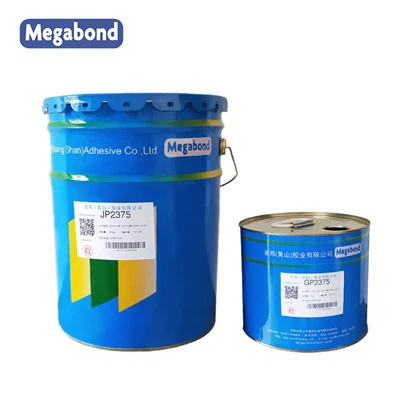
So, how does it work? Well, the process starts with the adhesive itself. Our PU laminating adhesives come in different types, like Solvent-based MET Plastic Film Laminating Adhesive, Solvent-based Economical Laminating Adhesive, and Solvent-based AL-plating Film Laminating Adhesive. Each type is formulated to work best with specific materials and applications.
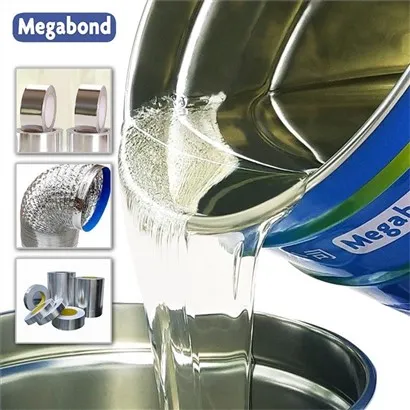
When you apply the PU laminating adhesive to a surface, it starts off as a liquid. This liquid contains the polyurethane polymers, along with solvents and other additives. The solvents help to make the adhesive easy to apply and spread evenly across the surface. Once the adhesive is applied, the solvents start to evaporate. This is a crucial step because as the solvents leave, the polyurethane polymers start to react with each other and with the surface they're on.
The reaction between the polyurethane polymers is called cross-linking. It's like a bunch of tiny hands reaching out and grabbing onto each other to form a strong, three-dimensional network. This network is what gives the adhesive its strength and durability. As the cross-linking process continues, the adhesive gradually changes from a liquid to a solid.


Now, let's talk about the lamination process itself. After the adhesive is applied to one of the materials, the second material is carefully placed on top. Pressure is then applied to ensure good contact between the two layers and the adhesive. This pressure helps to spread the adhesive evenly and remove any air bubbles that might be trapped between the layers.
The temperature also plays an important role in the lamination process. In some cases, heat is applied to speed up the evaporation of the solvents and the cross-linking reaction. This can help to reduce the overall lamination time and improve the quality of the bond. However, different types of PU laminating adhesives have different temperature requirements, so it's important to follow the manufacturer's instructions.
One of the great things about PU laminating adhesives is their versatility. They can be used to bond a wide variety of materials, including plastics, metals, fabrics, and papers. For example, in the packaging industry, they're often used to laminate plastic films to create flexible packaging that's strong, moisture-resistant, and can protect the contents inside. In the automotive industry, they can be used to bond interior trim components, providing a strong and long-lasting bond.
Another advantage of PU laminating adhesives is their resistance to environmental factors. They can withstand changes in temperature, humidity, and exposure to chemicals. This makes them suitable for use in a wide range of applications, even in harsh conditions.
But like any product, there are some things to keep in mind when using PU laminating adhesives. First of all, proper storage is crucial. The adhesives should be stored in a cool, dry place away from direct sunlight and heat sources. This helps to prevent the solvents from evaporating prematurely and the polymers from starting to cross-link before they're applied.
Secondly, safety is always important. The solvents in the adhesives can be flammable and may pose a health risk if inhaled or come into contact with the skin. So, it's important to use the adhesives in a well-ventilated area and to wear appropriate protective equipment, such as gloves and a respirator.
In addition, the application process requires some skill and attention to detail. The surface to be bonded should be clean and free of any dirt, grease, or other contaminants. This ensures that the adhesive can form a strong bond with the surface. Also, the amount of adhesive applied should be just right. Too little adhesive may result in a weak bond, while too much can cause problems like oozing and uneven lamination.
So, there you have it - a basic overview of how PU laminating adhesives work. Whether you're in the packaging, automotive, or any other industry that requires strong and reliable bonding, our PU laminating adhesives can be a great choice.
If you're interested in learning more about our products or have any questions about how they can be used in your specific application, don't hesitate to reach out. We're here to help you find the right adhesive solution for your needs. Whether it's choosing the right type of adhesive, understanding the application process, or getting technical support, we've got you covered.
References
- Various technical documents on polyurethane adhesives from industry sources.
- Research papers on polymer chemistry and adhesive bonding.