

Optimizing the lamination process with film lamination adhesive is a crucial aspect of achieving high - quality laminated products. As a film lamination adhesive supplier, I have witnessed firsthand the impact that the right adhesive can have on the efficiency and quality of the lamination process. In this blog post, I will share some key strategies and insights on how to optimize this process.
Understanding the Basics of Film Lamination Adhesive
Before delving into the optimization strategies, it's essential to understand the different types of film lamination adhesives available. This knowledge will help you select the most suitable adhesive for your specific lamination requirements.
There are various factors to consider when choosing a film lamination adhesive, such as the type of substrates to be laminated, the end - use of the laminated product, and the environmental conditions it will be exposed to. For example, if you are laminating food packaging, you need an adhesive that meets food - contact safety standards.
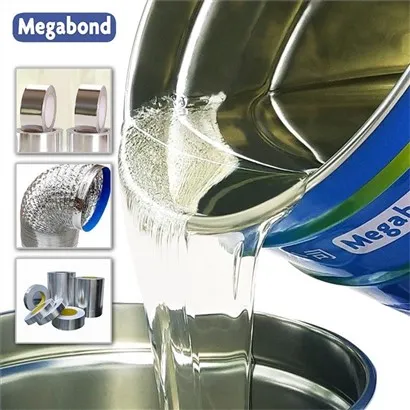
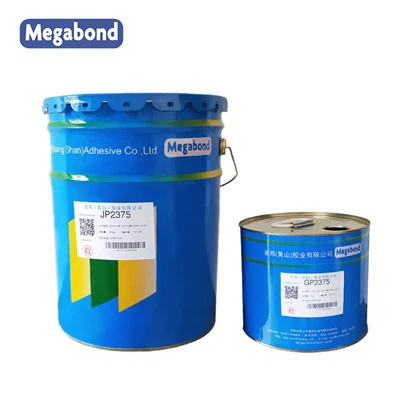
One of the popular types of adhesives in the market is the solvent - based adhesive. We offer a range of solvent - based adhesives, including Solvent - based Anti - Additives Laminating Adhesive, Solvent - based 121℃ Anti - Retorting Laminating Adhesive, and Solvent - based Anti - Chemicals Polyether Laminating Adhesive. These adhesives are known for their excellent bonding strength, chemical resistance, and suitability for different lamination applications.
Surface Preparation
Proper surface preparation is the first step in optimizing the lamination process. The surfaces of the substrates to be laminated must be clean, dry, and free from contaminants such as dust, grease, and oil. Any impurities on the surface can prevent the adhesive from bonding properly, leading to poor lamination quality.
You can use appropriate cleaning agents and techniques to prepare the surfaces. For example, for plastic substrates, a mild detergent solution can be used to clean the surface, followed by thorough rinsing and drying. For metal substrates, degreasing agents may be required to remove any oil or grease.
In addition to cleaning, surface activation may also be necessary in some cases. Surface activation can improve the wettability of the substrate by the adhesive, enhancing the bonding strength. Techniques such as corona treatment, plasma treatment, or flame treatment can be used for surface activation, depending on the type of substrate.
Adhesive Application
The way the adhesive is applied is critical to the success of the lamination process. There are several methods of adhesive application, including roll coating, spray coating, and slot die coating.
Roll coating is a common method where the adhesive is applied to the substrate using a rotating roll. This method is suitable for large - scale production and can provide a uniform coating thickness. However, it requires careful control of the roll speed, pressure, and adhesive viscosity to ensure consistent results.
Spray coating is another option, which is useful for applying adhesives to irregularly shaped substrates. It allows for quick and even application, but it may result in some overspray, which needs to be managed properly.
Slot die coating is a precise method that can provide a very uniform adhesive layer. It is often used for applications where high - precision coating is required, such as in the electronics industry.
The viscosity of the adhesive also plays an important role in the application process. The viscosity should be adjusted according to the application method and the substrate characteristics. If the viscosity is too high, the adhesive may not spread evenly, while if it is too low, it may run off the substrate.
Lamination Conditions
The lamination conditions, including temperature, pressure, and dwell time, have a significant impact on the quality of the laminated product.
Temperature affects the flow and curing of the adhesive. Different adhesives have different optimal temperature ranges for lamination. For solvent - based adhesives, a certain amount of heat is usually required to evaporate the solvent and promote the curing of the adhesive. However, excessive temperature can cause the adhesive to degrade or the substrate to deform.
Pressure is necessary to ensure good contact between the substrates and the adhesive. The pressure should be evenly distributed across the entire lamination area. Insufficient pressure can result in air bubbles or delamination, while excessive pressure can damage the substrates.
Dwell time is the time during which the substrates are held together under pressure after the adhesive is applied. Sufficient dwell time allows the adhesive to fully bond with the substrates. The optimal dwell time depends on the type of adhesive, the substrate materials, and the lamination conditions.
Quality Control
Implementing a comprehensive quality control system is essential for optimizing the lamination process. Quality control should be carried out at every stage of the process, from raw material inspection to the final product testing.
For raw materials, you should check the quality of the substrates and the adhesive before use. This includes verifying the specifications, such as thickness, surface smoothness, and adhesive properties.
During the lamination process, in - process inspection can be carried out to monitor the key parameters, such as adhesive application thickness, lamination temperature, and pressure. Any deviations from the set parameters should be corrected immediately to prevent quality issues.
After lamination, the final product should be tested for various properties, such as bonding strength, peel strength, and resistance to environmental factors. These tests can help you ensure that the laminated product meets the required quality standards.
Troubleshooting
Even with careful planning and optimization, problems may still occur during the lamination process. Some common issues include delamination, air bubbles, and uneven bonding.
Delamination can be caused by several factors, such as poor surface preparation, improper adhesive selection, or insufficient lamination pressure. To address this issue, you need to review the surface preparation process, check the compatibility of the adhesive with the substrates, and adjust the lamination pressure if necessary.


Air bubbles can be a result of improper adhesive application or trapped air during the lamination process. You can try to eliminate air bubbles by adjusting the adhesive application method, using a degassing process, or increasing the lamination pressure.
Uneven bonding may be due to inconsistent adhesive application or non - uniform lamination conditions. You should check the adhesive application equipment and ensure that the lamination temperature, pressure, and dwell time are consistent across the entire lamination area.
Conclusion
Optimizing the lamination process with film lamination adhesive is a complex but achievable goal. By understanding the basics of film lamination adhesives, properly preparing the surfaces, applying the adhesive correctly, controlling the lamination conditions, implementing quality control measures, and being able to troubleshoot effectively, you can achieve high - quality laminated products.
As a film lamination adhesive supplier, we are committed to providing you with high - quality adhesives and technical support to help you optimize your lamination process. If you are interested in our products or have any questions about the lamination process, please feel free to contact us for further discussion and potential procurement.
References
- Wypych, G. (2004). Handbook of Adhesion Promotion: Technology, Applications and Markets. William Andrew Publishing.
- Mittal, K. L. (Ed.). (1996). Adhesion Science and Engineering: Surfaces, Chemistry, and Applications. VSP.
- Pocius, A. V. (2002). Adhesion and Adhesives Technology: An Introduction. Hanser Gardner Publications.