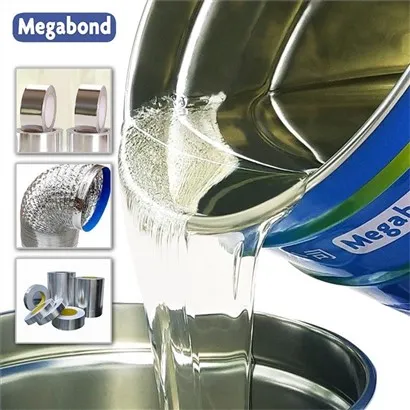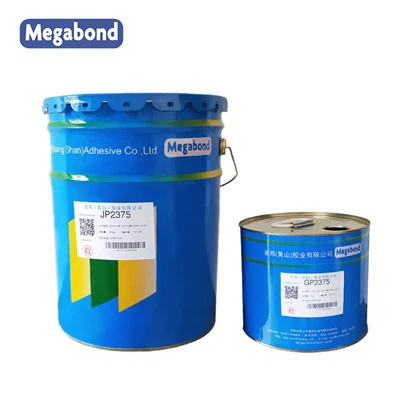


Hey there! As a supplier of PU lamination adhesives, I've seen firsthand the headache that yellowing can cause. It's a common issue in the industry, but don't worry – I'm here to share some tips on how to prevent it.
Understanding the Causes of Yellowing
Before we dive into prevention methods, let's quickly understand why PU lamination adhesives turn yellow. There are a few main culprits:
Oxidation
Oxidation is one of the most common causes of yellowing. When the adhesive is exposed to oxygen, a chemical reaction occurs that can change its color. This is especially true for adhesives that contain certain types of polymers or additives that are more prone to oxidation.
UV Exposure
Ultraviolet (UV) light can also cause yellowing. Over time, the UV rays break down the chemical structure of the adhesive, leading to discoloration. This is a big problem for products that are exposed to sunlight or other sources of UV light, like display cases or outdoor signage.
Heat
High temperatures can accelerate the yellowing process. When the adhesive is exposed to heat, the chemical reactions that cause yellowing happen more quickly. This can be an issue in manufacturing processes where the adhesive is heated during application or curing.
Impurities
Impurities in the adhesive or the materials it's applied to can also lead to yellowing. These impurities can react with the adhesive and cause discoloration. For example, if the substrate has contaminants on its surface, it can affect the appearance of the adhesive.
Prevention Methods
Choose the Right Adhesive
The first step in preventing yellowing is to choose the right adhesive for your application. Some adhesives are formulated to be more resistant to yellowing than others. For example, our Solvent-based AL-plating Film Laminating Adhesive is designed to have excellent yellowing resistance, making it a great choice for applications where appearance is important.


When selecting an adhesive, look for products that are specifically labeled as "yellowing resistant" or "UV stable." These adhesives usually contain additives that help protect them from oxidation, UV exposure, and heat.
Control the Environment
Controlling the environment where the adhesive is stored and used is crucial. Here are some tips:
- Storage: Store the adhesive in a cool, dry place away from direct sunlight. High temperatures and humidity can speed up the yellowing process, so it's important to keep the adhesive in optimal conditions.
- Application: During the application process, try to keep the temperature and humidity within the recommended range. This will help ensure proper curing and reduce the risk of yellowing.
- Post-application: After the adhesive has been applied, protect the finished product from UV exposure and heat. If possible, use UV-resistant coatings or store the product in a shaded area.
Proper Mixing and Application
Proper mixing and application of the adhesive are also important. Here's what you need to do:
- Mixing: Make sure to follow the manufacturer's instructions when mixing the adhesive. Improper mixing can lead to uneven curing and increase the risk of yellowing. Use the correct ratio of components and mix them thoroughly.
- Application: Apply the adhesive evenly and at the recommended thickness. Too much or too little adhesive can affect the curing process and lead to yellowing. Use the right tools and techniques for your application.
Use Additives
Adding certain additives to the adhesive can help improve its yellowing resistance. For example, antioxidants can prevent oxidation, while UV stabilizers can protect the adhesive from UV damage. Some adhesives already contain these additives, but you can also add them separately if needed.
However, be careful when using additives. Make sure they are compatible with the adhesive and follow the manufacturer's recommendations for dosage.
Surface Preparation
Proper surface preparation is essential to prevent yellowing. Before applying the adhesive, make sure the substrate is clean and free of contaminants. Here are some steps you can take:
- Cleaning: Use a suitable cleaner to remove dirt, grease, and other impurities from the surface. This will ensure good adhesion and reduce the risk of yellowing caused by impurities.
- Priming: In some cases, using a primer can help improve the adhesion and yellowing resistance of the adhesive. Primers can create a barrier between the substrate and the adhesive, preventing contaminants from affecting the adhesive.
Case Studies
Let's take a look at a couple of real-world examples of how these prevention methods have worked:
Case Study 1: Outdoor Signage
A customer was using our Solvent-based Film Laminating Adhesive to laminate a film to a substrate for outdoor signage. They followed our recommendations for storage, application, and surface preparation. They also used a UV-resistant coating on the finished product. After several months of exposure to sunlight, the signage showed minimal yellowing, which was a great result considering the harsh outdoor conditions.
Case Study 2: Packaging
Another customer was using our Solvent-based Low Cost Laminating Adhesive for packaging applications. They made sure to store the adhesive in a cool, dry place and followed the proper mixing and application procedures. By controlling the environment and using the right adhesive, they were able to prevent yellowing and maintain the high-quality appearance of their packaging.
Conclusion
Preventing the yellowing of PU lamination adhesives is all about understanding the causes and taking the right steps to address them. By choosing the right adhesive, controlling the environment, following proper mixing and application procedures, using additives, and preparing the surface correctly, you can significantly reduce the risk of yellowing.
If you're facing issues with yellowing or need help selecting the right adhesive for your application, don't hesitate to reach out. We're here to provide you with the best solutions and support. Whether you're in the packaging, signage, or any other industry that uses PU lamination adhesives, we can help you achieve the perfect finish. Contact us today to start a conversation about your adhesive needs!
References
- "Polyurethane Adhesives: Chemistry, Technology, and Applications" by X. Feng and K. C. Frisch
- "Handbook of Adhesives and Sealants" edited by I. Skeist