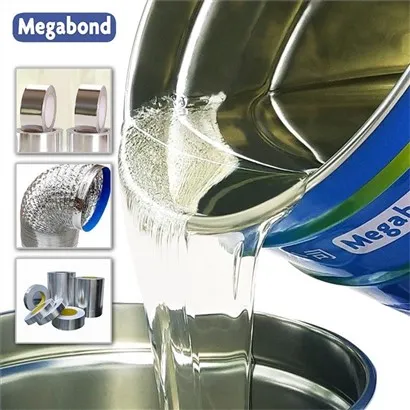


Hey there! As a supplier of PU lamination adhesive, I know how big of a deal the odor issue can be. Nobody wants to work with a stinky adhesive, right? It's not only unpleasant but can also be a health concern for those working in the area. So, I'm here to share some tips on how to reduce the odor of PU lamination adhesive.


Understanding the Source of the Odor
First things first, we need to understand where the odor comes from. PU lamination adhesives usually contain solvents, and these solvents are often the main culprits behind the strong smell. When the adhesive is applied, the solvents start to evaporate, releasing those not - so - nice fumes into the air.
Some of these solvents might be things like toluene, xylene, or other volatile organic compounds (VOCs). They're used because they help the adhesive spread evenly and dry properly, but they also bring that unwanted odor.
1. Choose Low - Odor Adhesives
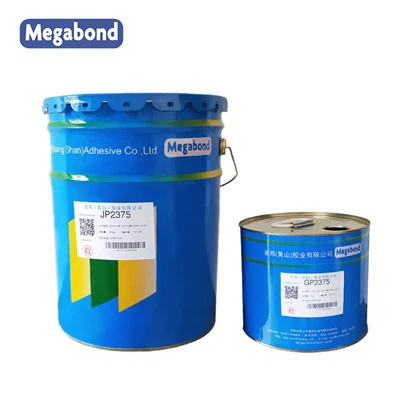
One of the simplest ways to reduce the odor is to start with a low - odor PU lamination adhesive. We offer a range of products that are formulated to have a much lower odor compared to traditional adhesives. For example, our Solvent-based DMD Insulation Laminating Adhesive is designed with low - odor solvents. This means that right from the start, you're using an adhesive that won't fill the room with a strong smell.
These low - odor adhesives are made by carefully selecting the solvents and other ingredients. The manufacturers do a lot of research to find alternatives that work just as well but don't have the same pungent odor. So, when you're looking for a PU lamination adhesive, make sure to ask about the odor level.
2. Improve Ventilation
Good ventilation is crucial when working with any adhesive. If you have a well - ventilated workspace, the odor will disperse much faster. You can install exhaust fans in your factory or workshop. These fans can suck out the fumes and replace the stale, smelly air with fresh air from outside.
Open windows and doors whenever possible. This natural ventilation can make a big difference. Even if it's just for a short time during the application process, it can help reduce the concentration of the odor in the air. You can also use air purifiers with activated carbon filters. These filters are great at trapping the odor - causing particles and VOCs, making the air in your workspace much fresher.
3. Control the Application Conditions
The way you apply the adhesive can also affect the odor. Try to apply the adhesive in a controlled environment with the right temperature and humidity. If it's too hot, the solvents might evaporate too quickly, releasing a large amount of fumes at once. On the other hand, if it's too cold, the adhesive might not dry properly, and the solvents will stay in the adhesive for longer, continuing to emit odor.
We recommend keeping the temperature between 20 - 25°C (68 - 77°F) and the humidity around 40 - 60%. This creates an ideal environment for the adhesive to dry evenly and for the solvents to evaporate at a steady rate, reducing the overall odor.
4. Use Additives
There are some additives available that can help reduce the odor of PU lamination adhesives. These additives work in different ways. Some of them can react with the odor - causing compounds in the adhesive, neutralizing them. Others can form a barrier on the surface of the adhesive, reducing the rate of solvent evaporation and thus the odor.
However, it's important to choose the right additives. You need to make sure they're compatible with your specific adhesive. We can provide you with some advice on which additives would work best with our Solvent-based Reflective Beads Laminating Adhesive and other products.
5. Store the Adhesive Properly
How you store the adhesive can also impact its odor. Make sure to keep the adhesive in a cool, dry place. If it's exposed to high temperatures or direct sunlight, the solvents in the adhesive can start to break down and release more odor.
Keep the containers tightly sealed when not in use. This prevents the solvents from evaporating and keeps the adhesive fresh. If you have a large quantity of adhesive, you might want to consider storing it in a separate storage area with good ventilation to prevent the odor from spreading to other parts of your workspace.
6. Clean Up Properly
After you're done using the adhesive, clean up any spills or excess adhesive right away. Leftover adhesive can continue to emit odor as the solvents evaporate. Use a suitable cleaner to wipe down the surfaces where the adhesive was applied.
Dispose of any used adhesive containers properly. Make sure they're sealed and taken to a proper waste disposal facility. This not only helps with the odor but also ensures that you're following environmental regulations.
7. Consider Water - Based Adhesives
If the odor is still a major concern, you might want to consider switching to water - based PU lamination adhesives. These adhesives use water as the main carrier instead of solvents. Since water doesn't have a strong odor like solvents, the overall smell is much lower.
Our Solvent-based DMD Insulation Laminating PU Glue is a great option if you're looking for a water - based alternative. Water - based adhesives also have other benefits, such as being more environmentally friendly and easier to clean up.
Conclusion
Reducing the odor of PU lamination adhesive is definitely achievable. By following these tips, you can create a more pleasant and healthy working environment. Whether it's choosing low - odor adhesives, improving ventilation, or controlling the application conditions, every little step counts.
If you're interested in our PU lamination adhesives and want to learn more about how to reduce the odor in your specific application, feel free to reach out. We're here to help you find the best solutions for your needs. Let's work together to make your workspace a less smelly and more productive place!
References
- "Handbook of Adhesives and Sealants" by Henry S. Katz and Allan W. Lee
- Industry reports on PU lamination adhesive technology and odor control