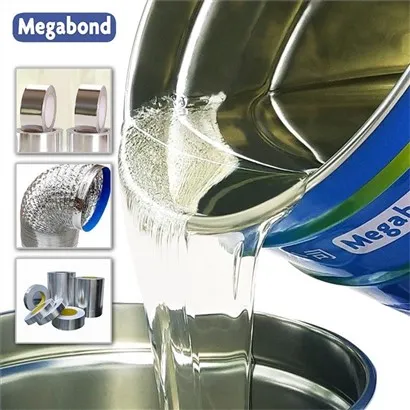


Solvent-based polyurethane adhesives are widely used in various industries due to their excellent bonding properties, durability, and versatility. As a supplier of these adhesives, I understand the importance of not only providing high-quality products but also ensuring that users are well-informed about their safe handling. One common issue that users may encounter is getting the adhesive on their skin. In this blog, I'll share some effective methods to remove solvent-based polyurethane adhesive from the skin, along with some safety precautions.
Understanding Solvent-Based Polyurethane Adhesive
Before delving into the removal methods, it's essential to understand what solvent-based polyurethane adhesives are. These adhesives consist of polyurethane polymers dissolved in a solvent. The solvents used can vary, but common ones include toluene, xylene, and acetone. The solvents help to lower the viscosity of the adhesive, making it easier to apply and ensuring good wetting of the surfaces to be bonded.
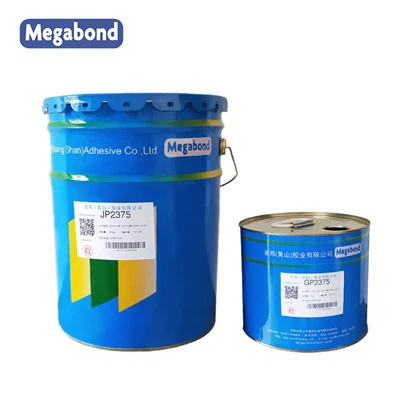
Our company offers a range of solvent-based polyurethane adhesives, such as the Solvent-based Low Cost Laminating Adhesive, Solvent-based Economical Laminating Adhesive, and Solvent-based 135℃ Anti-Steaming Laminating Adhesive. These adhesives are designed for different applications, including packaging lamination, where they provide strong and reliable bonds.
Why Remove Adhesive from Skin Promptly
Leaving solvent-based polyurethane adhesive on the skin for an extended period can have several negative effects. The solvents in the adhesive can cause skin irritation, dryness, and even chemical burns in severe cases. Additionally, the adhesive can harden over time, making it more difficult to remove. Prompt removal can prevent these issues and minimize discomfort.
Methods to Remove Solvent-Based Polyurethane Adhesive from Skin
1. Using Mineral Oil or Baby Oil
Mineral oil or baby oil is a gentle and effective way to remove the adhesive. Here's how to do it:
- Step 1: Apply the oil - Pour a small amount of mineral oil or baby oil onto the affected area. Make sure to cover the adhesive completely.
- Step 2: Massage the area - Gently massage the oil into the skin for a few minutes. This will help to break down the adhesive and loosen it from the skin.
- Step 3: Wipe off the adhesive - Use a clean cloth or paper towel to wipe off the adhesive and oil. You may need to repeat the process several times to remove all the adhesive.
- Step 4: Wash the skin - After removing the adhesive, wash the area with mild soap and water to remove any remaining oil.
2. Using Acetone
Acetone is a strong solvent that can dissolve polyurethane adhesive. However, it can also be harsh on the skin, so it should be used with caution.
- Step 1: Test on a small area - Before applying acetone to the affected area, test it on a small, inconspicuous area of skin to check for any allergic reactions.
- Step 2: Apply the acetone - If there is no reaction, soak a cotton ball or cloth in acetone and gently dab it onto the adhesive. Do not rub the skin too hard, as this can cause irritation.
- Step 3: Remove the adhesive - After a few minutes, the adhesive should start to dissolve. Use a clean cloth to wipe off the dissolved adhesive.
- Step 4: Wash the skin - Rinse the area thoroughly with water and apply a moisturizer to prevent dryness.
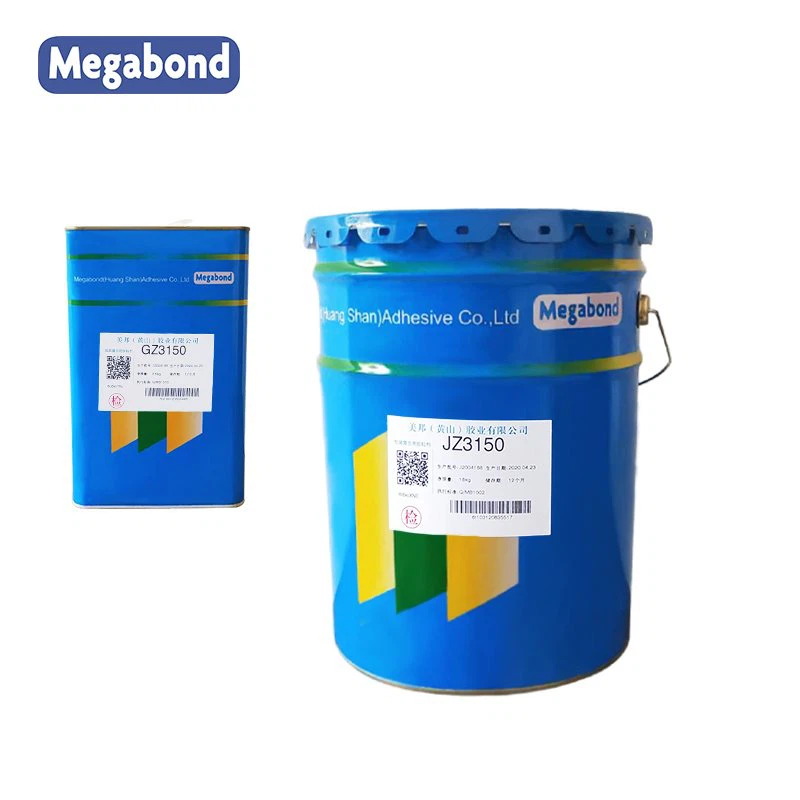
3. Using Commercial Adhesive Removers
There are many commercial adhesive removers available on the market that are specifically designed to remove adhesives from the skin. These products are usually less harsh than acetone and can be more effective.

- Step 1: Read the instructions - Before using the adhesive remover, read the instructions carefully to ensure proper use.
- Step 2: Apply the remover - Apply a small amount of the adhesive remover to the affected area and follow the instructions on the product.
- Step 3: Remove the adhesive - Use a clean cloth to wipe off the dissolved adhesive.
- Step 4: Wash the skin - Wash the area with mild soap and water to remove any remaining remover.
Safety Precautions
- Wear protective gloves - When working with solvent-based polyurethane adhesives, always wear protective gloves to prevent the adhesive from coming into contact with your skin.
- Work in a well-ventilated area - The solvents in the adhesive can release fumes that can be harmful if inhaled. Make sure to work in a well-ventilated area or use a respirator if necessary.
- Avoid contact with eyes and mouth - If the adhesive gets into your eyes or mouth, rinse immediately with plenty of water and seek medical attention.
- Keep adhesives out of reach of children - Solvent-based polyurethane adhesives are toxic and should be kept out of reach of children.
Conclusion
Removing solvent-based polyurethane adhesive from the skin can be a challenging task, but with the right methods and safety precautions, it can be done effectively. As a supplier of these adhesives, I encourage users to handle them with care and follow the recommended safety guidelines. If you have any questions or need more information about our solvent-based polyurethane adhesives, please feel free to contact us for procurement and further discussions. We are committed to providing you with the best products and support.
References
- "Handbook of Adhesive Technology," Second Edition, edited by Andrew Pizzi and K. L. Mittal.
- "Polyurethane Handbook," Second Edition, edited by G. Oertel.