

Hey there! As a film lamination adhesive supplier, I often get asked about how to test the quality of our products. Well, you're in the right place! In this blog, I'll share some practical ways to test the quality of film lamination adhesive, so you can make sure you're getting the best stuff for your projects.
1. Appearance Inspection
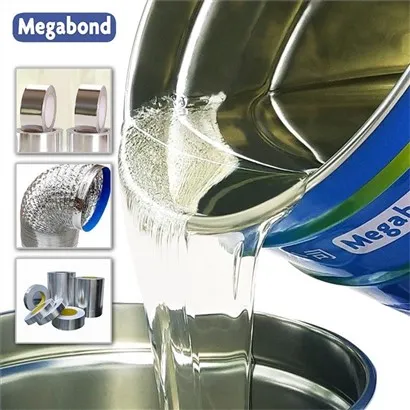
The first step in testing film lamination adhesive is a simple visual check. Grab a sample of the adhesive and take a good look at it. It should be uniform in color and free from any visible impurities like dirt, lumps, or foreign particles. If you see any discoloration or strange bits floating around, that's a red flag. A clear and consistent appearance usually indicates a well - made adhesive.
2. Viscosity Testing
Viscosity is a big deal when it comes to film lamination adhesive. It affects how easily the adhesive can be applied and how well it spreads on the film. You can use a viscometer to measure the viscosity. There are different types of viscometers, like the rotational viscometer. Just follow the instructions on the viscometer, and you'll get a reading.
The ideal viscosity depends on the application. For example, if you're using a high - speed laminating machine, you'll want an adhesive with a lower viscosity so it can flow smoothly. On the other hand, if the application is more manual, a slightly higher viscosity might be okay.
3. Adhesion Strength Testing
This is probably the most important test. After all, the main job of the adhesive is to stick the films together! There are a few ways to test adhesion strength.
Peel Test
One common method is the peel test. You laminate two films together using the adhesive and then try to peel them apart. You can do this by hand for a rough estimate, but for more accurate results, use a peel tester. The tester will measure the force required to peel the films at a specific angle and speed. A good film lamination adhesive should have a high peel strength, meaning it takes a lot of force to separate the films.
Shear Test
Another test is the shear test. In this test, you apply a force parallel to the bonded surface of the laminated films. This simulates the stress the adhesive might experience in real - world applications. Again, a proper testing machine can give you accurate measurements of the shear strength.
4. Chemical Resistance Testing
If the laminated films are going to be exposed to chemicals, you need to test the adhesive's chemical resistance. You can soak a sample of the laminated film in different chemicals, like acids, alkalis, or solvents, for a certain period. Then, check for any signs of damage, such as delamination, discoloration, or swelling.
For example, if you're laminating packaging for food products that might come into contact with acidic substances, you'll want an adhesive that can withstand acid exposure. Our Solvent-based Anti-Chemicals Polyether Laminating Adhesive is designed to have excellent chemical resistance, making it a great choice for such applications.
5. Heat Resistance Testing
Heat can also affect the performance of film lamination adhesive. To test heat resistance, you can place a sample of the laminated film in an oven at a specific temperature for a set time. Then, check for any changes in the adhesive bond.
Some applications, like in automotive interiors or electronic devices, require adhesives that can withstand high temperatures. Our Solvent-based Polyurethane Laminating Adhesive has good heat resistance properties, which makes it suitable for these demanding environments.
6. Storage Stability Testing
You also need to know how well the adhesive will hold up during storage. Store a sample of the adhesive at different temperatures and humidity levels for a few months. Then, check its properties, like viscosity and adhesion strength.


A good adhesive should maintain its quality over time. If the adhesive thickens too much or loses its adhesion strength during storage, it's not a reliable product.
7. Water Resistance Testing
For applications where the laminated films might get wet, water resistance is crucial. You can immerse a sample of the laminated film in water for a certain period and then check for delamination or other signs of damage.
Our Solvent-based AL-plating Film Laminating Adhesive has good water resistance, making it suitable for packaging that might be exposed to moisture.
Conclusion
Testing the quality of film lamination adhesive is essential to ensure you're getting a product that meets your needs. By performing these tests, you can make an informed decision when choosing an adhesive for your projects.
If you're interested in our film lamination adhesives and want to discuss your specific requirements, feel free to reach out. We're always happy to help you find the right adhesive for your application and ensure you get the best results.
References
- ASTM International standards for adhesive testing
- Technical literature from adhesive manufacturers