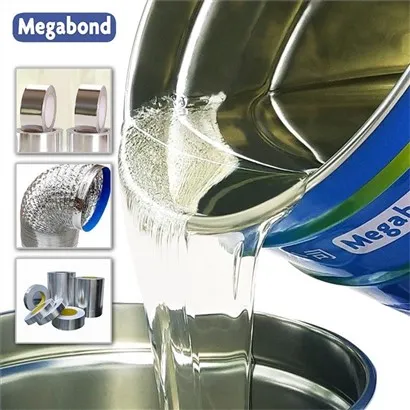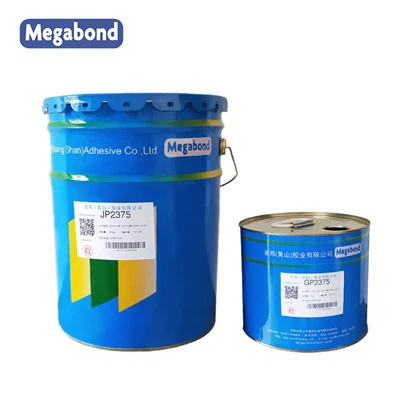


Hey there! As a supplier of laminating adhesives, I've been in the thick of it when it comes to ensuring the quality of these crucial products. In this blog, I'm gonna share some practical ways to test the quality of laminating adhesive. Whether you're a fellow supplier, a manufacturer, or just someone curious about the process, these tips can be super helpful.
1. Adhesion Testing
The most basic and important aspect of a laminating adhesive is its adhesion strength. After all, the main job of the adhesive is to stick different materials together firmly.

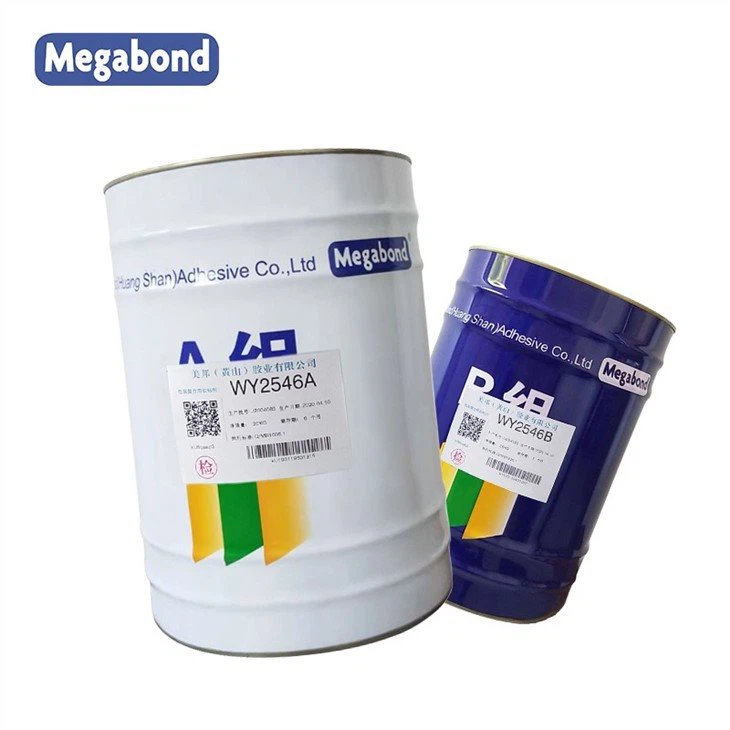
Peel Test
One of the simplest ways to test adhesion is the peel test. You take a sample of the laminated material and try to peel the layers apart. This can be done by hand for a quick, rough estimate or with a machine for more accurate results.
For a hand - peel test, just grab the edges of the laminated layers and gently try to pull them apart. If the layers separate easily, it's a sign that the adhesion is weak. On the other hand, if it's really hard to separate them, that's a good indication of strong adhesion.
If you want more precise data, use a peel tester. This machine applies a controlled force to peel the layers at a specific speed. The force required to peel the layers is measured, and this value gives you an idea of the adhesive's bonding strength. A high peel strength means the adhesive is doing its job well.
Shear Test
Another type of adhesion test is the shear test. In this test, you apply a force parallel to the bonded surface. This simulates the kind of forces that the laminated material might experience in real - world use, like when it's being bent or twisted.
To perform a shear test, you need a special fixture that holds the laminated sample in place. Then, a force is applied parallel to the bonded area until the layers start to slide relative to each other. The maximum force that the adhesive can withstand before failure is recorded. A good laminating adhesive should have a high shear strength.
2. Chemical Resistance Testing
Laminated materials are often exposed to various chemicals in different environments. So, it's important to test the adhesive's resistance to chemicals.
Immersion Test
One common method is the immersion test. You cut small samples of the laminated material and immerse them in different chemicals for a certain period. The chemicals can include water, acids, alkalis, solvents, and oils, depending on the intended use of the laminated product.
After the immersion period, take out the samples and check for any signs of damage, such as delamination, discoloration, or swelling. If the adhesive shows no significant changes, it has good chemical resistance. For example, if you're using a laminating adhesive for food packaging, it should be resistant to common food - related chemicals like vinegar, oil, and salt solutions.
Our Solvent - free Anti - Chemicals Laminating Adhesive is specifically designed to have excellent chemical resistance. It can withstand exposure to a wide range of chemicals, making it suitable for many demanding applications.
3. Heat Resistance Testing
In some applications, laminated materials are exposed to high temperatures. So, heat resistance is a crucial factor to consider when testing the quality of a laminating adhesive.
Oven Test
The oven test is a straightforward way to assess heat resistance. Cut samples of the laminated material and place them in an oven at a specific temperature for a set time. The temperature and time depend on the expected use of the product.
After the oven test, remove the samples and check for any changes. Look for signs of delamination, melting, or degradation of the adhesive. If the adhesive remains intact and the bond strength is still good, it has good heat resistance.
For applications where the laminated material needs to withstand high - temperature sterilization processes, like in the food or medical industries, our Solvent - free 125℃ Retortable Laminating Adhesive is a great choice. It can maintain its adhesion and performance even at 125℃, ensuring the integrity of the laminated product.
4. Flexibility and Durability Testing
Laminated materials are often bent, folded, or flexed during use. So, the adhesive needs to be flexible and durable enough to withstand these mechanical stresses.
Flex Test
A flex test involves repeatedly bending or folding the laminated sample. This can be done by hand or with a machine. For a hand - flex test, simply bend the sample back and forth a certain number of times and check for any signs of delamination or cracking.
If you want more accurate results, use a flex tester. This machine can apply a controlled number of bends at a specific angle and speed. After the test, examine the sample for damage. A good laminating adhesive should be able to withstand a large number of flex cycles without losing its bonding strength.
5. Viscosity Testing
The viscosity of the laminating adhesive is an important parameter. It affects how easily the adhesive can be applied and how well it spreads on the surfaces to be laminated.
Viscometer Test
To measure the viscosity, you can use a viscometer. There are different types of viscometers, such as rotational viscometers and capillary viscometers.
A rotational viscometer works by measuring the torque required to rotate a spindle in the adhesive. The higher the viscosity, the more torque is needed. A capillary viscometer, on the other hand, measures the time it takes for the adhesive to flow through a small capillary tube. The longer the flow time, the higher the viscosity.
The ideal viscosity depends on the application method. For example, if the adhesive is applied by a roller, a lower viscosity might be better for smooth application. If it's applied by a spray, a different viscosity range might be required.
6. Solvent Content Testing
If the laminating adhesive contains solvents, it's important to know the solvent content. High solvent content can lead to environmental issues, health risks, and potential problems with the bonding process.
Gas Chromatography
Gas chromatography is a common method for measuring solvent content. This technique separates the different components of the adhesive based on their volatility. The amount of solvent in the adhesive can be accurately determined by analyzing the chromatogram.
For applications where low solvent content is required, like in food packaging, our Solvent - free Aluminum Foil To Films Laminating Adhesive is a great option. It contains no solvents, making it safe and environmentally friendly.
Conclusion
Testing the quality of laminating adhesive is a multi - step process that involves evaluating various properties such as adhesion, chemical resistance, heat resistance, flexibility, viscosity, and solvent content. By conducting these tests, you can ensure that the adhesive meets the requirements of your specific application.
If you're in the market for high - quality laminating adhesives and want to discuss your specific needs, I'd love to have a chat. Whether it's for food packaging, industrial applications, or any other use, we have a range of products that can meet your requirements. Don't hesitate to reach out for more information and start a procurement discussion.
References
- ASTM International standards for adhesive testing
- Technical literature from adhesive manufacturers