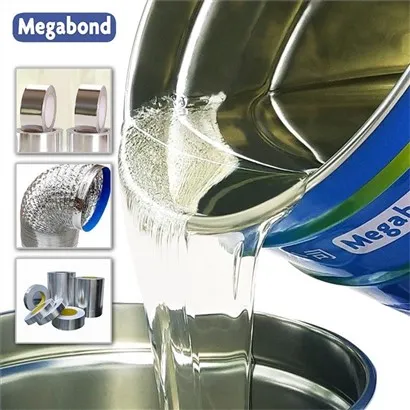


Over the years, in my role as a supplier of laminating adhesives, I've encountered numerous inquiries from customers regarding the long - term performance of our products. One of the most frequently asked questions is whether laminating adhesive yellows over time. In this blog, I'll dive deep into this topic, drawing on our extensive experience and industry knowledge.
Understanding Laminating Adhesives
Before we explore the yellowing issue, let's briefly understand what laminating adhesives are. Laminating adhesives are substances used to bond multiple layers of materials together, creating a single, more durable and functional composite. They are widely used in various industries, including packaging, printing, and manufacturing.
Our company offers a range of high - quality laminating adhesives, such as Solvent - free 100℃ Anti - Cooking Laminating Adhesive, Solvent - free Polyurethane Laminating Adhesive, and Solvent - free Aluminum Foil To Films Laminating Adhesive. These products are formulated to meet different application requirements, providing excellent bonding strength and performance.
Factors That Can Cause Yellowing
Yellowing of laminating adhesives is a complex phenomenon influenced by multiple factors. Here are some of the main culprits:
1. Oxidation
Oxidation is one of the most common causes of yellowing. When laminating adhesives are exposed to oxygen in the air, the chemical structure of the adhesive can change over time. This is especially true for adhesives that contain certain organic compounds. Oxidation can break down the molecular chains in the adhesive, leading to the formation of chromophores, which are responsible for the yellow color.
For example, some polyurethanes, which are commonly used in laminating adhesives, can be susceptible to oxidation. The presence of unsaturated bonds in the polyurethane structure makes it more likely to react with oxygen. However, our solvent - free polyurethane laminating adhesives are formulated with advanced antioxidants to minimize oxidation and reduce the risk of yellowing.
2. UV Exposure
Ultraviolet (UV) radiation from sunlight or artificial light sources can also cause yellowing. UV rays have high energy and can break the chemical bonds in the adhesive. This can result in the degradation of the adhesive and the development of a yellow tint.
Adhesives used in outdoor applications or in products that are frequently exposed to light are particularly at risk. To address this issue, our adhesives can be formulated with UV stabilizers. These additives absorb or scatter UV radiation, protecting the adhesive from its harmful effects and maintaining its original color.
3. Heat and Humidity
High temperatures and humidity levels can accelerate the chemical reactions in laminating adhesives, leading to yellowing. Heat can increase the rate of oxidation and other chemical processes, while humidity can cause hydrolysis, which is the breakdown of the adhesive by water molecules.
In industrial processes such as cooking or sterilization, where high temperatures are involved, the risk of yellowing is higher. Our Solvent - free 100℃ Anti - Cooking Laminating Adhesive is specifically designed to withstand high - temperature conditions without significant yellowing. It has excellent heat resistance and can maintain its performance and color even under extreme heat.
4. Chemical Contamination
Contamination from other chemicals can also cause yellowing. For instance, if the adhesive comes into contact with certain acids, alkalis, or other reactive substances during the manufacturing, storage, or use process, it can react with these contaminants, resulting in a color change.
To prevent chemical contamination, proper handling and storage procedures should be followed. Our company provides detailed guidelines on how to store and use our laminating adhesives to ensure their quality and performance.
Our Solutions to Prevent Yellowing
As a laminating adhesive supplier, we are committed to providing products that are resistant to yellowing. Here are some of the strategies we employ:
1. Advanced Formulation
We use high - quality raw materials and advanced formulation techniques to develop our adhesives. Our R & D team carefully selects the ingredients to minimize the presence of substances that are prone to yellowing. For example, we use pure and stable monomers in our polyurethane adhesives, which reduces the risk of oxidation and other chemical reactions.
In addition, we incorporate various additives into our formulations, such as antioxidants, UV stabilizers, and heat - resistant agents. These additives work together to protect the adhesive from the factors that cause yellowing, ensuring its long - term color stability.
2. Quality Control
We have a strict quality control system in place to ensure that every batch of our laminating adhesives meets our high standards. Our products undergo rigorous testing for color stability, bonding strength, and other performance indicators. We use advanced testing equipment and methods to simulate real - world conditions and evaluate the long - term performance of our adhesives.
For example, we conduct accelerated aging tests, where the adhesives are exposed to high temperatures, UV radiation, and humidity for a certain period of time. By analyzing the color change and other properties of the adhesives after the tests, we can predict their long - term performance and make necessary adjustments to the formulation.
3. Customized Solutions
We understand that different customers have different requirements. That's why we offer customized solutions to meet the specific needs of each customer. Whether you need an adhesive for a high - temperature application, an outdoor product, or a product that requires excellent color stability, our technical team can work with you to develop a tailored adhesive formulation.
Real - World Examples
To illustrate the effectiveness of our anti - yellowing solutions, let's look at some real - world examples.
A packaging company was using a traditional laminating adhesive in their food packaging products. They noticed that over time, the adhesive started to yellow, which affected the appearance of the packaging and raised concerns about product quality. After switching to our Solvent - free Polyurethane Laminating Adhesive, they found that the yellowing problem was significantly reduced. The adhesive maintained its clear and colorless appearance even after long - term storage, improving the overall visual appeal of their products.

Another customer in the electronics industry needed an adhesive for laminating aluminum foil to films. They were worried about the yellowing of the adhesive due to the high - temperature processes involved in the manufacturing. Our Solvent - free Aluminum Foil To Films Laminating Adhesive was the perfect solution. It withstood the high - temperature conditions without yellowing, ensuring the quality and reliability of their electronic products.
Conclusion
In conclusion, while laminating adhesives can potentially yellow over time due to factors such as oxidation, UV exposure, heat, humidity, and chemical contamination, our company offers effective solutions to prevent this issue. Through advanced formulation, strict quality control, and customized solutions, we can provide laminating adhesives that maintain their color stability and performance over the long term.
If you are looking for high - quality laminating adhesives that are resistant to yellowing, we invite you to contact us for more information. Our team of experts is ready to discuss your specific requirements and provide you with the best solutions for your applications. Let's work together to achieve excellent bonding results and high - quality products.
References
- Pizzi, A., & Mittal, K. L. (Eds.). (2003). Handbook of Adhesion Technology. Springer Science & Business Media.
- Hornbaker, K. M. (2011). The Chemistry and Technology of Coatings. CRC Press.