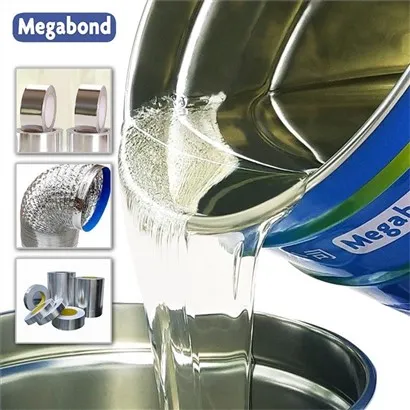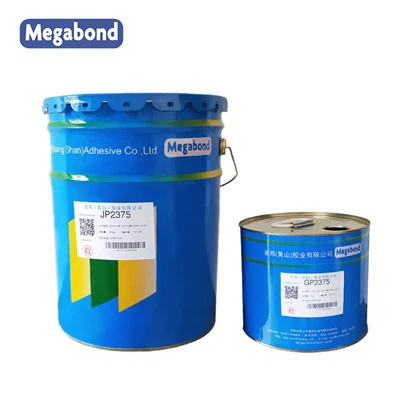


Polyurethane laminating glue is a widely used adhesive in various industries, known for its excellent bonding strength, flexibility, and durability. As a supplier of Polyurethane Glue laminating glue, I often receive inquiries from customers about the potential harm of its odor. In this blog post, I will delve into this topic and provide a comprehensive analysis based on scientific knowledge and industry experience.


Understanding Polyurethane Laminating Glue
Polyurethane laminating glue is formulated using polyurethane polymers, which are created through the chemical reaction between polyols and isocyanates. Depending on the application requirements, different types of solvents, additives, and fillers may be incorporated into the glue to enhance its performance. These variations can result in differences in the odor and chemical composition of the glue.
Components That Contribute to the Odor
The odor of polyurethane laminating glue primarily comes from two sources: solvents and chemical reaction by - products.
Solvents
Many polyurethane laminating glues contain solvents to adjust the viscosity and improve the spreadability of the adhesive. Common solvents include toluene, xylene, and ethyl acetate. These solvents have distinct odors and are volatile organic compounds (VOCs). When the glue is applied, the solvents evaporate into the air, releasing their characteristic smell.
Chemical Reaction By - products
During the curing process of polyurethane laminating glue, chemical reactions occur between the polyols and isocyanates. Some of the intermediate products or by - products of these reactions can also contribute to the odor. For example, certain low - molecular - weight compounds may be formed, which are volatile and have a pungent smell.
Potential Health Risks Associated with the Odor
The odor of polyurethane laminating glue can potentially pose health risks, especially when exposure is prolonged or occurs in poorly ventilated areas.
Respiratory Issues
Inhaling the fumes from the glue can irritate the respiratory tract. Symptoms may include coughing, wheezing, shortness of breath, and throat irritation. Prolonged exposure to high levels of VOCs can lead to more serious respiratory conditions such as bronchitis or asthma.
Allergic Reactions
Some individuals may be allergic to the components in the glue, such as isocyanates. Allergic reactions can range from mild skin rashes and itching to severe anaphylactic shock in rare cases. Symptoms may also include nasal congestion, sneezing, and itchy eyes.
Neurological Effects
Certain solvents in the glue, such as toluene, can have neurological effects. Short - term exposure may cause dizziness, headache, and nausea. Long - term exposure to high levels of toluene can lead to more serious neurological problems, including memory loss, difficulty concentrating, and changes in mood.
Mitigating the Risks
As a responsible supplier, we are aware of the potential risks associated with the odor of our polyurethane laminating glue and have taken several measures to mitigate them.
Low - VOC Formulations
We have developed low - VOC polyurethane laminating glues that contain fewer solvents. These products not only have a reduced odor but also have a lower impact on the environment and human health. By using advanced formulation techniques, we are able to achieve the same high - quality bonding performance while minimizing the release of harmful VOCs.
Proper Ventilation
We always recommend that our customers ensure proper ventilation when using our polyurethane laminating glue. This can be achieved by using exhaust fans, opening windows, or working in well - ventilated areas. Adequate ventilation helps to disperse the fumes and reduce the concentration of VOCs in the air.
Personal Protective Equipment (PPE)
Customers are also advised to wear appropriate personal protective equipment, such as respirators, gloves, and goggles. Respirators can filter out the harmful fumes, while gloves and goggles protect the skin and eyes from direct contact with the glue.
Our Product Range
We offer a wide range of polyurethane laminating glues to meet the diverse needs of our customers. Here are some of our popular products:
- Solvent - based AL Copper Material Laminating Adhesive: This adhesive is specifically designed for laminating aluminum and copper materials. It provides strong bonding and excellent resistance to heat and chemicals.
- Solvent - based DMD Insulation Laminating PU Glue: Ideal for insulating applications, this glue offers high - quality lamination for DMD insulation materials. It has good electrical insulation properties and a reliable bonding strength.
- Solvent - based DMD Insulation Laminating Adhesive: Another option for DMD insulation laminating, this adhesive is formulated to provide long - lasting performance and resistance to environmental factors.
Conclusion
The odor of polyurethane laminating glue can be potentially harmful, mainly due to the presence of solvents and chemical reaction by - products. However, with proper precautions such as using low - VOC products, ensuring adequate ventilation, and wearing personal protective equipment, the risks can be effectively mitigated.
As a leading supplier of polyurethane laminating glue, we are committed to providing high - quality products that not only meet the performance requirements of our customers but also prioritize their health and safety. If you are interested in our products or have any questions regarding the use of polyurethane laminating glue, please feel free to contact us for further information and to discuss your specific needs. We look forward to the opportunity to work with you and provide you with the best adhesive solutions.
References
- "Occupational Safety and Health Guidelines for Isocyanates", National Institute for Occupational Safety and Health (NIOSH).
- "Volatile Organic Compounds (VOCs) in Indoor Air", Environmental Protection Agency (EPA).
- "Polyurethane Chemistry and Technology", edited by K. C. Frisch and S. L. Reegan.