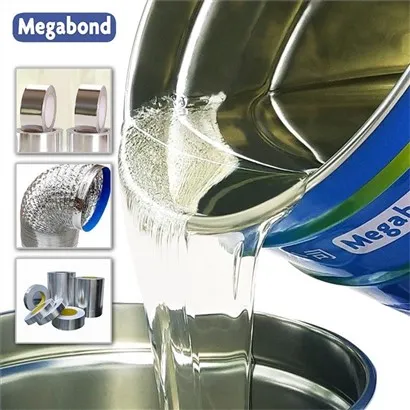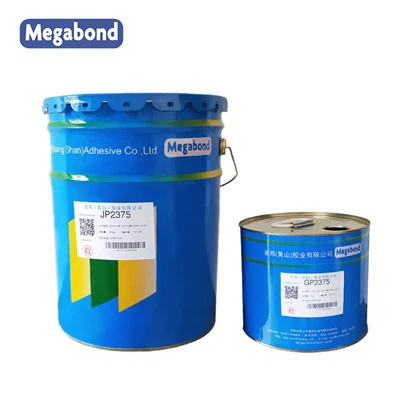


Polyurethane laminating adhesives are widely used in various industries due to their excellent bonding strength, flexibility, and resistance to environmental factors. As a supplier of polyurethane laminating adhesives, I have encountered numerous issues that customers face during their usage. In this blog, I will discuss some common problems when using polyurethane laminating adhesives and offer practical solutions.
Common Problems and Solutions
1. Poor Bonding Strength
One of the most frequent issues is poor bonding strength between the laminated materials. This can result from several factors:
-
Surface Contamination: If the surfaces to be bonded are dirty, oily, or have dust particles, the adhesive may not adhere properly. For example, in the metal - plastic lamination process, metal surfaces can easily accumulate oil during manufacturing or storage.
- Solution: Thoroughly clean the surfaces before applying the adhesive. Use appropriate solvents or cleaning agents that are compatible with the materials. For instance, isopropyl alcohol can be used to clean plastic and metal surfaces. Ensure that the surfaces are completely dry before laminating.
-
Incorrect Mixing Ratio: Polyurethane laminating adhesives often consist of two or more components that need to be mixed in a specific ratio. Deviating from this ratio can lead to reduced bonding strength.
- Solution: Follow the manufacturer's instructions carefully when mixing the adhesive components. Use accurate measuring tools, such as graduated cylinders or weighing scales, to ensure the correct proportions. Conduct small - scale tests before full - scale production to verify the bonding strength.
-
Insufficient Cure Time: Polyurethane adhesives require a certain amount of time to cure fully and achieve maximum bonding strength. If the laminated materials are handled or put into use too soon, the bond may not be strong enough.
- Solution: Allow sufficient cure time as recommended by the adhesive manufacturer. Factors such as temperature and humidity can affect the cure time. In general, higher temperatures can accelerate the curing process, but make sure not to exceed the recommended temperature range.
2. Bubbles or Void Formation
The presence of bubbles or voids in the laminated structure can weaken the bond and affect the appearance of the final product.
-
Air Entrapment During Application: When applying the adhesive, air can get trapped between the layers, especially if the application method is not proper. For example, using a brush with long bristles or applying the adhesive too quickly can cause air to be incorporated.
- Solution: Use appropriate application tools such as rollers or spray guns. Rollers can help to spread the adhesive evenly and squeeze out any trapped air. When using a spray gun, ensure a consistent spraying pattern and a proper distance from the surface to avoid over - spraying and air entrapment.
-
Volatile Solvent Evaporation: Some polyurethane laminating adhesives contain solvents. During the drying process, the solvents evaporate, and if the evaporation rate is too fast, it can cause bubbles to form.
- Solution: Control the drying conditions. Adjust the temperature and ventilation in the working environment to ensure a slow and uniform evaporation of the solvents. For example, in a well - ventilated room, the temperature can be set slightly lower to slow down the solvent evaporation.
3. Adhesive Migration
Adhesive migration refers to the movement of the adhesive from the bonded area to other parts of the product, which can cause staining or affect the functionality of adjacent components.
-
High Temperature or Pressure: Excessive heat or pressure during the laminating process can cause the adhesive to flow out of the intended bonding area.
- Solution: Monitor and control the temperature and pressure during lamination. Use appropriate heating and pressing equipment that can maintain a stable and uniform temperature and pressure. For example, in a hot - press laminating process, set the temperature and pressure according to the adhesive's specifications.
-
Incompatible Materials: If the adhesive is not compatible with the laminated materials, it may have a tendency to migrate.
- Solution: Conduct compatibility tests before using the adhesive on a large - scale. Choose an adhesive that is specifically formulated for the materials to be laminated. For example, if you are laminating reflective beads, use a Solvent - based Reflective Beads Laminating Adhesive that is designed to bond well with reflective beads and the substrate material.
4. Yellowing or Discoloration
Over time, the laminated product may experience yellowing or discoloration, which can be a cosmetic issue and may also indicate a degradation of the adhesive.
-
Exposure to UV Light: Polyurethane adhesives can be sensitive to ultraviolet (UV) light, which can cause them to yellow or discolor.
- Solution: Use UV - resistant adhesives if the laminated product will be exposed to sunlight or other UV sources. Apply a UV - protective coating on the surface of the laminated product. Additionally, store the products in a dark place when not in use to minimize UV exposure.
-
Oxidation: Oxidation of the adhesive can also lead to discoloration. This can be accelerated by high temperatures and the presence of oxygen.
- Solution: Store the adhesive in a sealed container and in a cool, dry place. During the laminating process, minimize the exposure of the adhesive to air. For example, if possible, use a vacuum laminating process to reduce the amount of oxygen in contact with the adhesive.
Specific Adhesive Applications and Problem - Solving
In different industries, specific types of polyurethane laminating adhesives are used, and they may encounter unique problems.
Solvent - based Metal Plastic Tinplate Laminating
When using Solvent - based Metal Plastic Tinplate Laminating PU Glue, one common problem is the difference in thermal expansion coefficients between metal and plastic. This can cause stress at the bond interface during temperature changes.
- Solution: Select an adhesive with good flexibility and high elongation properties to accommodate the different expansion and contraction rates of the materials. Conduct thermal cycling tests during the product development stage to ensure the long - term stability of the bond.
Solvent - based DMD Insulation Laminating
For Solvent - based DMD Insulation Laminating PU Glue, maintaining the electrical insulation properties is crucial. Contamination of the adhesive with conductive particles can reduce the insulation performance.


- Solution: Work in a clean environment to prevent the introduction of conductive particles. Use filters in the adhesive application equipment to remove any potential contaminants. Conduct electrical insulation tests on the laminated samples to ensure compliance with the required standards.
Conclusion
Using polyurethane laminating adhesives can be a complex process, and various problems may arise during their application. However, by understanding the root causes of these problems and implementing the appropriate solutions, users can achieve high - quality laminates with strong bonds and excellent performance. As a supplier of polyurethane laminating adhesives, I am committed to providing our customers with high - quality products and technical support. If you are facing any issues with our adhesives or need more information about our products, please feel free to contact us for procurement and further technical discussions. We are here to help you find the best solutions for your laminating needs.
References
- "Polyurethane Adhesives: Chemistry, Technology, and Applications" by X. Feng and K. C. Frisch.
- Manufacturer's technical data sheets for polyurethane laminating adhesives.