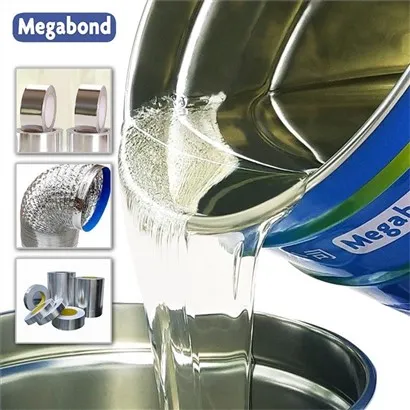


As a supplier of Solvent Based Polyurethane Adhesive, I understand that while this type of adhesive has its advantages, it also comes with several notable disadvantages. In this blog, I will delve into these drawbacks to provide a comprehensive view for potential users.
1. Environmental Concerns
One of the most significant disadvantages of solvent-based polyurethane adhesives is their environmental impact. These adhesives contain volatile organic compounds (VOCs). VOCs are chemicals that easily evaporate at room temperature and can have harmful effects on the environment and human health.
When solvent-based polyurethane adhesives are applied, the solvents evaporate into the atmosphere. These VOCs contribute to the formation of ground - level ozone, a major component of smog. Smog can cause respiratory problems in humans, such as coughing, wheezing, and shortness of breath. It also has a negative impact on plants, reducing their growth and productivity.
Moreover, the production and disposal of these adhesives can also lead to soil and water pollution. The solvents can seep into the soil and contaminate groundwater, which is a vital source of drinking water. In addition, the manufacturing process of solvent - based polyurethane adhesives often requires a large amount of energy, further contributing to greenhouse gas emissions.
2. Health Risks
The presence of VOCs in solvent - based polyurethane adhesives poses significant health risks to workers and end - users. During the application process, workers are exposed to high levels of these chemicals. Inhalation of VOCs can cause immediate health problems, such as headaches, dizziness, nausea, and eye, nose, and throat irritation.
Long - term exposure to VOCs can lead to more serious health issues. Some of the solvents used in these adhesives are known or suspected carcinogens. Prolonged exposure to these substances can increase the risk of developing cancer, especially lung cancer. Workers in industries that frequently use solvent - based polyurethane adhesives, such as the furniture and packaging industries, are at a particularly high risk.
In addition to inhalation, skin contact with the adhesive can also cause problems. The solvents can dissolve the natural oils in the skin, leading to dryness, cracking, and irritation. Some individuals may also develop allergic reactions to the components of the adhesive.
3. Flammability
Solvent - based polyurethane adhesives are highly flammable due to the presence of organic solvents. The solvents have low flash points, which means they can easily catch fire when exposed to an ignition source, such as a spark or an open flame.
This flammability poses a significant safety risk in the workplace. Special precautions need to be taken during storage, transportation, and application of these adhesives. Storage areas must be well - ventilated and away from heat sources and ignition points. Workers need to be trained on proper handling procedures to minimize the risk of fire.
In addition, the use of these adhesives in enclosed spaces can increase the risk of explosion. If the concentration of solvent vapors in the air reaches a certain level, a spark can trigger a violent explosion, causing serious damage to property and endangering the lives of workers.
4. Drying and Curing Time
Compared to some other types of adhesives, solvent - based polyurethane adhesives generally have a longer drying and curing time. The solvents need to evaporate completely before the adhesive can reach its full strength. This process can be affected by factors such as temperature, humidity, and the thickness of the adhesive layer.
In a manufacturing environment, a long drying and curing time can slow down the production process. This can lead to increased production costs, as more time is required to complete each product. It also means that more space is needed for the products to dry and cure, which can be a challenge for companies with limited floor space.


5. Cost
The cost of solvent - based polyurethane adhesives can be relatively high. The raw materials used in these adhesives, especially the solvents, are often expensive. In addition, the manufacturing process is complex and requires specialized equipment, which further adds to the cost.
Moreover, due to the environmental and safety regulations associated with these adhesives, companies need to invest in additional measures to ensure compliance. This includes installing ventilation systems to control VOC emissions, providing personal protective equipment for workers, and implementing proper waste disposal procedures. All these additional costs are ultimately passed on to the end - user.
6. Compatibility Issues
Solvent - based polyurethane adhesives may have compatibility issues with certain materials. The solvents in the adhesive can react with some plastics, rubbers, and coatings, causing them to swell, crack, or lose their adhesion.
For example, when bonding different types of plastics, the solvent may dissolve the surface of the plastic, leading to a weak bond. This can be a problem in industries where a wide variety of materials need to be bonded together, such as the electronics and automotive industries.
Our Product Range
Despite these disadvantages, our company offers a range of solvent - based polyurethane adhesives that are designed to meet specific application requirements. We have Solvent-based 135℃ Anti-Steaming Laminating Adhesive, which is suitable for applications where high - temperature resistance and anti - steaming properties are required. Our Solvent-based AL-plating Film Laminating Adhesive is ideal for bonding aluminum - plated films. And our Solvent-based 100℃ Anti-Boiling Laminating Adhesive provides excellent adhesion even in boiling conditions.
Conclusion
While solvent - based polyurethane adhesives have some limitations, they still have their place in certain industries due to their unique properties. However, it is important for users to be aware of the disadvantages and take appropriate measures to mitigate the associated risks.
If you are considering using our solvent - based polyurethane adhesives for your project, we encourage you to contact us for a detailed discussion. Our team of experts can provide you with more information about our products and help you determine if they are the right choice for your application. We are committed to providing high - quality adhesives and excellent customer service. Contact us today to start a procurement discussion and find the best adhesive solution for your needs.
References
- Smith, J. (2018). Environmental and Health Impacts of Volatile Organic Compounds. Journal of Environmental Science, 25(3), 123 - 135.
- Johnson, A. (2019). Safety Considerations in the Use of Flammable Adhesives. Industrial Safety Magazine, 32(2), 45 - 52.
- Brown, C. (2020). Compatibility of Adhesives with Different Materials. Adhesive Technology Review, 18(4), 78 - 85.