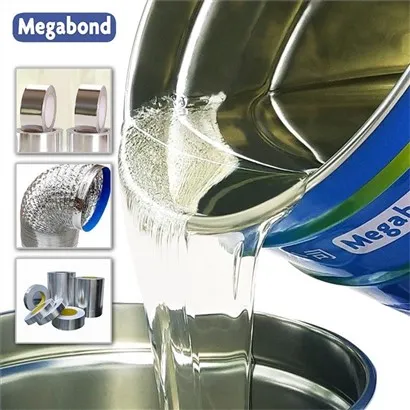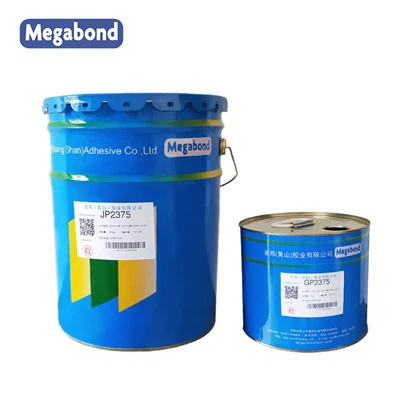


As a supplier of Solvent Free Polyurethane Adhesive, I've had my fair share of experiences in the industry. While this type of adhesive has its fair share of advantages, it's also important to be aware of its disadvantages. In this blog post, I'll share some of the drawbacks I've encountered and why you should consider them before making a purchase.
High Initial Cost
One of the most significant disadvantages of solvent-free polyurethane adhesive is its high initial cost. Compared to traditional solvent-based adhesives, solvent-free options can be significantly more expensive. This is due to the advanced technology and materials used in their production. For small businesses or those on a tight budget, this can be a major deterrent.
The high cost is not just about the price of the adhesive itself. You also need to invest in specialized equipment to handle and apply solvent-free polyurethane adhesives. These adhesives often require precise mixing and application conditions, which means you might need to buy new mixing machines, applicators, and curing ovens. This additional equipment cost can add up quickly, making it a substantial investment for any company.
Limited Shelf Life
Solvent-free polyurethane adhesives have a relatively limited shelf life compared to their solvent-based counterparts. Once the adhesive is mixed, it has a short pot life, which means you need to use it up quickly before it starts to cure. This can be a problem if you have a large project or if you're not able to use the adhesive immediately after mixing.
The limited shelf life also means that you need to be more careful about inventory management. You can't just stockpile these adhesives for long periods because they'll go bad. This can lead to waste if you order more than you need or if you're not able to use the adhesive before it expires.
Sensitivity to Moisture
Another drawback of solvent-free polyurethane adhesives is their sensitivity to moisture. These adhesives can react with moisture in the air or on the surface of the materials being bonded, which can lead to poor adhesion and other problems. This means that you need to be very careful about the environment in which you use the adhesive.
For example, if you're working in a humid environment, you might need to take extra precautions to ensure that the adhesive doesn't come into contact with moisture. This could involve using dehumidifiers or working in a climate-controlled area. Even small amounts of moisture can cause the adhesive to foam or form bubbles, which can weaken the bond and affect the overall quality of the finished product.
Difficult to Clean Up
Cleaning up solvent-free polyurethane adhesives can be a real challenge. Once the adhesive has cured, it becomes very hard and difficult to remove. This means that if you make a mistake during the application process or if you spill some of the adhesive, you'll have a hard time getting it off.
Unlike solvent-based adhesives, which can be easily cleaned up with solvents, solvent-free polyurethane adhesives require special cleaning agents. These cleaning agents can be expensive and may not be readily available in all areas. In addition, the cleaning process can be time-consuming and labor-intensive, which can add to the overall cost of using these adhesives.
Compatibility Issues
Solvent-free polyurethane adhesives may not be compatible with all types of materials. Some materials, such as certain plastics or rubbers, may not bond well with these adhesives. This means that you need to carefully test the adhesive on the specific materials you'll be using before you start a large project.
Compatibility issues can also arise when you're using different types of solvents or additives in the adhesive. These additives can interact with the polyurethane and cause problems such as poor adhesion or discoloration. It's important to follow the manufacturer's recommendations and guidelines when using these adhesives to ensure that you get the best results.
Long Curing Time
Solvent-free polyurethane adhesives typically have a longer curing time compared to solvent-based adhesives. This means that you need to wait longer for the adhesive to fully cure and reach its maximum strength. This can slow down the production process and increase the turnaround time for your projects.
The long curing time can also be a problem if you need to make adjustments or repairs to the bonded materials. You may have to wait for the adhesive to cure before you can make any changes, which can be frustrating and time-consuming.
Environmental Impact
While solvent-free polyurethane adhesives are often touted as being more environmentally friendly than solvent-based adhesives, they still have some environmental impact. The production of these adhesives requires energy and resources, and the disposal of unused or expired adhesives can be a challenge.
In addition, some of the raw materials used in solvent-free polyurethane adhesives may have environmental concerns. For example, some of the isocyanates used in these adhesives can be toxic and harmful to the environment if not handled properly. It's important to be aware of these environmental issues and to take steps to minimize the impact of using these adhesives.
Conclusion
Despite these disadvantages, solvent-free polyurethane adhesives still have many advantages, such as their high strength, low VOC emissions, and excellent chemical resistance. If you're considering using these adhesives for your project, it's important to weigh the pros and cons carefully.
At our company, we offer a range of solvent-free polyurethane adhesives, including Solvent-free Polyether Laminating Adhesive, Solvent-free 100℃ Anti-Cooking Laminating Adhesive, and Solvent-free 121℃ Retortable Laminating Adhesive. We can help you choose the right adhesive for your specific needs and provide you with the support and guidance you need to use it effectively.
If you're interested in learning more about our solvent-free polyurethane adhesives or if you have any questions about the disadvantages I've discussed in this blog post, please don't hesitate to contact us. We'd be happy to talk to you about your project and help you find the best solution for your bonding needs.

References
- “Polyurethane Adhesives: Chemistry, Technology, and Applications” by K. C. Frisch and D. Klempner
- Various industry reports and studies on adhesive technology and performance.