

Bonding strength is a critical parameter when it comes to evaluating the performance of adhesives. As a supplier of Solvent Free Polyurethane Adhesive, I've witnessed firsthand the importance of this characteristic in various industrial applications. In this blog, I'll delve into what bonding strength is, how it's measured, and why it matters in the context of Solvent Free Polyurethane Adhesive.
Understanding Bonding Strength
Bonding strength refers to the ability of an adhesive to hold two or more substrates together under various conditions. It's essentially a measure of the force required to separate the bonded materials. This strength is influenced by several factors, including the chemical composition of the adhesive, the surface properties of the substrates, and the bonding process itself.
Solvent Free Polyurethane Adhesive is known for its excellent bonding capabilities. It forms strong, durable bonds with a wide range of substrates, including plastics, metals, and composites. The absence of solvents in this adhesive not only makes it more environmentally friendly but also contributes to its high bonding strength. Without solvents, the adhesive can fully react and cure, resulting in a more cohesive and adhesive bond.
Measuring Bonding Strength
There are several methods to measure the bonding strength of an adhesive. One of the most common methods is the peel test. In a peel test, a bonded sample is prepared, and a force is applied to peel the two substrates apart at a specific angle and speed. The force required to initiate and continue the peeling process is measured, and this value is used as an indicator of the bonding strength.
Another method is the shear test. In a shear test, a force is applied parallel to the bonded surface, causing the substrates to slide against each other. The maximum force that the bond can withstand before failure is recorded as the shear strength. This test is particularly useful for applications where the bonded parts are subjected to shear forces, such as in structural bonding.
Tensile testing is also used to measure bonding strength. In a tensile test, a bonded sample is pulled apart in a direction perpendicular to the bonded surface. The force required to break the bond is measured, and this value represents the tensile strength of the adhesive.
Factors Affecting Bonding Strength
The bonding strength of Solvent Free Polyurethane Adhesive can be affected by several factors. One of the most important factors is the surface preparation of the substrates. If the surfaces are dirty, oily, or contaminated, the adhesive may not bond properly, resulting in a weak bond. Therefore, it's essential to clean and prepare the surfaces before applying the adhesive.
The curing conditions also play a crucial role in determining the bonding strength. Solvent Free Polyurethane Adhesive typically requires a specific temperature and humidity range for proper curing. If the curing conditions are not met, the adhesive may not fully cure, leading to a weaker bond.
The type and thickness of the substrates can also affect the bonding strength. Different substrates have different surface energies and chemical compositions, which can influence the adhesion of the adhesive. Additionally, the thickness of the substrates can affect the stress distribution in the bond, which in turn can affect the bonding strength.
Importance of Bonding Strength in Applications
The high bonding strength of Solvent Free Polyurethane Adhesive makes it suitable for a wide range of applications. In the packaging industry, for example, it's used to laminate different layers of materials together to create flexible packaging. The strong bond ensures that the packaging maintains its integrity during storage and transportation, protecting the contents inside.
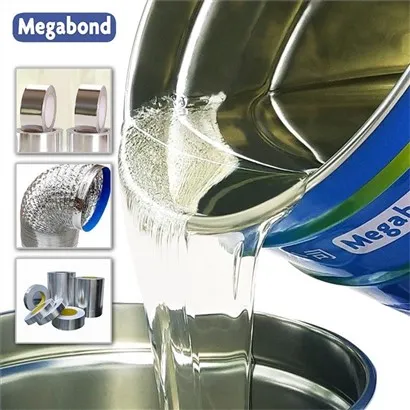
One of our popular products, the Solvent-free Aluminum Foil To Films Laminating Adhesive, is specifically designed for bonding aluminum foil to various films. Its high bonding strength ensures a reliable and durable bond, making it ideal for food and pharmaceutical packaging.
In the automotive industry, Solvent Free Polyurethane Adhesive is used for bonding various components, such as interior trim parts and body panels. The strong bond helps to improve the structural integrity of the vehicle and reduces noise and vibration. Our Solvent-free 125℃ Retortable Laminating Adhesive is suitable for applications that require high-temperature resistance, such as in the packaging of ready-to-eat meals.
In the chemical industry, Solvent Free Polyurethane Adhesive is used for bonding materials that are exposed to harsh chemicals. The Solvent-free Anti-Chemicals Laminating Adhesive provides excellent chemical resistance and bonding strength, ensuring that the bonded parts can withstand the corrosive effects of chemicals.
Ensuring Optimal Bonding Strength
To ensure optimal bonding strength, it's important to follow the manufacturer's instructions carefully. This includes proper surface preparation, correct application of the adhesive, and appropriate curing conditions. It's also recommended to conduct some preliminary tests on small samples to determine the best bonding parameters for your specific application.


Regular quality control checks are also essential to ensure that the bonding strength meets the required standards. This can involve conducting periodic peel, shear, or tensile tests on the bonded samples.
Conclusion
In conclusion, the bonding strength of Solvent Free Polyurethane Adhesive is a crucial factor that determines its performance in various applications. Its high bonding strength, combined with its environmental friendliness and versatility, makes it a popular choice in many industries.
If you're looking for a high-quality Solvent Free Polyurethane Adhesive with excellent bonding strength, we're here to help. Our team of experts can provide you with the right adhesive solution for your specific needs. Contact us to start a procurement discussion and find out how our adhesives can benefit your business.
References
- "Adhesive Bonding: Science, Technology, and Applications" by K. L. Mittal.
- "Handbook of Adhesive Technology" edited by A. Pizzi and K. L. Mittal.
- Technical literature from Solvent Free Polyurethane Adhesive manufacturers.