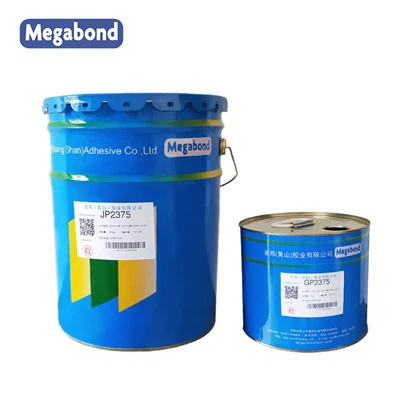


Hey there! As a supplier of PU lamination adhesives, I've been getting a lot of questions lately about what exactly the tackiness of these adhesives means. So, I thought I'd take some time to break it down for you all.
First off, let's talk about what tackiness is. In simple terms, tackiness refers to the stickiness or adhesiveness of a substance right after it's applied. When it comes to PU lamination adhesives, tackiness is a super important property. It determines how well the adhesive can bond two different materials together during the lamination process.
Think about it this way: when you're laminating two films or a film and a substrate, you need the adhesive to grab onto both surfaces quickly. That initial grab is what we call tack. If the adhesive doesn't have enough tack, it might not hold the materials together properly, leading to delamination or other bonding issues down the line.
Now, there are a few factors that can affect the tackiness of PU lamination adhesives. One of the big ones is the formulation of the adhesive itself. Different chemical compositions can result in different levels of tack. For example, some adhesives are formulated to have a high initial tack, which means they stick really well right away. These are great for applications where you need a fast bond, like in high - speed lamination processes.
Another factor is the temperature and humidity of the environment where the lamination is taking place. Generally, higher temperatures can increase the tackiness of the adhesive, but only up to a certain point. If it gets too hot, the adhesive might start to dry out too quickly, reducing its ability to bond effectively. Humidity can also play a role. High humidity can slow down the drying process of the adhesive, which might affect its tack and overall bonding performance.


The surface properties of the materials being laminated also matter. If the surfaces are rough or porous, the adhesive might need more tack to penetrate and bond properly. On the other hand, smooth surfaces might require an adhesive with a different type of tack that can spread evenly and form a strong bond.
At our company, we offer a range of PU lamination adhesives with different levels of tack to meet various customer needs. For instance, our Solvent-based 121℃ Anti-Steaming Laminating Adhesive is designed for applications where you need a strong, reliable bond even in high - temperature and steam - rich environments. It has just the right amount of tack to ensure that the lamination stays intact under these challenging conditions.
If you're looking for a more cost - effective option, our Solvent-based Low Cost Laminating Adhesive is a great choice. It still offers good tack and bonding performance, but at a lower price point. This is perfect for businesses that are looking to save on costs without sacrificing quality.
And for those who are working with films, our Solvent-based Film Laminating Adhesive is specifically formulated to provide excellent tack and adhesion to different types of films. Whether you're laminating PET, BOPP, or other common film materials, this adhesive will get the job done.
Measuring the tackiness of PU lamination adhesives isn't always straightforward. There are a few different methods that can be used. One common method is the finger - touch test. You simply apply a small amount of the adhesive to a surface and then touch it gently with your finger. If it sticks to your finger right away and leaves a residue, it has good tack. However, this method is pretty subjective and not very accurate for scientific or industrial purposes.
A more precise way to measure tack is through the use of specialized equipment. For example, a probe tack tester can be used to measure the force required to pull a probe away from an adhesive - coated surface. This gives a quantitative value for the tackiness of the adhesive, which is useful for quality control and product development.
When it comes to using PU lamination adhesives, getting the tackiness right is crucial for the success of your lamination project. If the tack is too low, you might end up with a weak bond that fails over time. If it's too high, the adhesive might be difficult to handle during the lamination process, leading to messy applications and potential waste.
So, how do you choose the right PU lamination adhesive with the appropriate tack for your needs? Well, it all starts with understanding your specific application requirements. Consider factors like the materials you're laminating, the lamination process speed, the environmental conditions, and your budget.
If you're not sure which adhesive is best for you, don't hesitate to reach out to us. We have a team of experts who can help you select the right product based on your needs. We can also provide technical support and advice on how to use the adhesive properly to achieve the best results.
In conclusion, the tackiness of PU lamination adhesives is a key property that can make or break your lamination project. By understanding what affects tackiness, how to measure it, and how to choose the right adhesive, you can ensure that your lamination process goes smoothly and that you end up with a high - quality, durable bond.
If you're interested in learning more about our PU lamination adhesives or are ready to start a purchase, we'd love to hear from you. Contact us today to discuss your requirements and let's work together to find the perfect adhesive solution for your business.
References
- "Adhesives Technology Handbook" by Andrew Pizzi
- "Polyurethane Handbook" by G. Oertel