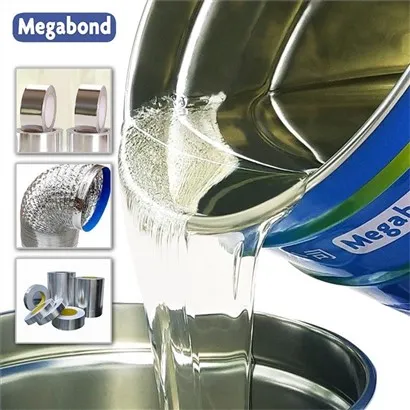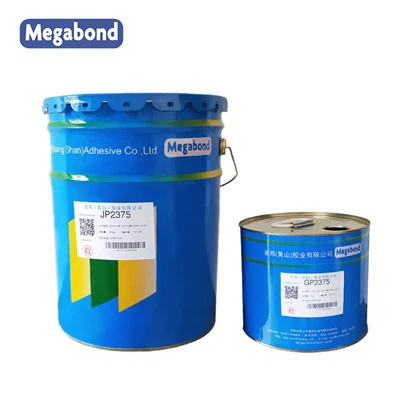


Hey there! As a supplier of laminate polyurethane glue, I often get asked about the difference between laminate polyurethane glue and regular glue. So, I thought I'd break it down for you in this blog post.
First off, let's talk about what laminate polyurethane glue is. It's a type of adhesive that's specifically designed for laminating different materials together. It's made from polyurethane, which is a polymer that has some really cool properties. Polyurethane is known for its excellent adhesion, flexibility, and resistance to chemicals, heat, and moisture. These properties make laminate polyurethane glue a great choice for a wide range of applications, especially in industries where strong and durable bonds are required.


On the other hand, regular glue is a more general term that can refer to a variety of adhesives, such as white glue, wood glue, or super glue. These types of glues are typically made from different materials like polyvinyl acetate (PVA) for white glue or cyanoacrylate for super glue. Each type of regular glue has its own set of properties and is suitable for specific applications.
Adhesion Strength
One of the biggest differences between laminate polyurethane glue and regular glue is the adhesion strength. Laminate polyurethane glue forms a very strong bond that can withstand a lot of stress. It can bond a variety of materials, including wood, metal, plastic, and even some types of rubber. This makes it ideal for applications where you need a long - lasting and reliable bond, like in the manufacturing of furniture, automotive parts, or insulation materials.
For example, if you're laminating a metal panel to a plastic substrate, a laminate polyurethane glue will provide a much stronger bond compared to a regular white glue. The polyurethane in the glue reacts with moisture in the air or on the surface of the materials to form a tough and flexible bond that won't easily come apart.
Regular glues, while they can be strong in their own right, may not have the same level of adhesion strength across different materials. White glue, for instance, is great for bonding porous materials like wood, but it may not work as well on non - porous surfaces like metal or plastic. Super glue is very strong but can be brittle and may not be suitable for applications where the bond needs to be flexible.
Flexibility
Flexibility is another important factor to consider. Laminate polyurethane glue offers a high degree of flexibility. This means that the bond can withstand some movement and bending without breaking. In applications where the bonded materials may be subject to vibration or slight deformation, such as in automotive interiors or flexible packaging, laminate polyurethane glue is a better choice.
Regular glues vary in terms of flexibility. Some, like white glue, dry to a relatively rigid state and may crack if the materials are bent or flexed. Super glue is also quite rigid and can shatter under stress. So, if you need a glue that can handle some movement, laminate polyurethane glue has the edge.
Chemical and Environmental Resistance
When it comes to resistance to chemicals, heat, and moisture, laminate polyurethane glue really shines. It can resist a wide range of chemicals, including solvents, oils, and acids. This makes it suitable for use in industrial environments where the bonded materials may come into contact with these substances.
In terms of heat resistance, laminate polyurethane glue can withstand higher temperatures compared to many regular glues. It won't soften or lose its bonding strength easily when exposed to heat, which is important in applications like electronics or automotive engines where there may be high - temperature conditions.
Moisture resistance is also a key advantage. Polyurethane glue can form a waterproof bond, making it suitable for outdoor applications or in environments where the materials may be exposed to water or high humidity. Regular glues, on the other hand, may not hold up well in wet conditions. White glue can absorb water and lose its strength, and some super glues may break down when exposed to moisture.
Application and Drying Time
The application process of laminate polyurethane glue and regular glue can also be different. Laminate polyurethane glue often requires a bit more preparation. You usually need to make sure the surfaces are clean and dry before applying the glue. It may also need to be mixed in the right proportions if it's a two - part system.
The drying time of laminate polyurethane glue can vary depending on factors like temperature and humidity. Generally, it takes a bit longer to dry compared to some regular glues. Super glue, for example, dries almost instantly, while white glue can dry within a few hours. However, the longer drying time of laminate polyurethane glue allows for better penetration and a stronger bond.
Cost
Cost is always a consideration. Laminate polyurethane glue is usually more expensive than regular glues. This is because of the advanced properties and the materials used in its production. But when you consider the long - term benefits, such as the strong bond, flexibility, and resistance to various factors, the extra cost may be worth it, especially for high - quality or industrial applications.
Our Product Range
As a supplier of laminate polyurethane glue, we offer a variety of products to meet different needs. For example, we have the Solvent - based DMD Insulation Laminating PU Glue, which is specifically designed for laminating insulation materials. It provides excellent adhesion and insulation properties, making it a great choice for the electrical insulation industry.
We also have the Solvent - based Door Panel PVC Metal Laminating Adhesive. This glue is perfect for bonding PVC and metal in door panel manufacturing. It offers strong adhesion and good resistance to environmental factors, ensuring a long - lasting and high - quality bond.
Another product in our range is the Solvent - based AL Copper Material Laminating Adhesive. This adhesive is ideal for laminating aluminum and copper materials, which are commonly used in the electronics and automotive industries.
Conclusion
In conclusion, laminate polyurethane glue and regular glue have significant differences in terms of adhesion strength, flexibility, chemical and environmental resistance, application, drying time, and cost. If you need a strong, flexible, and durable bond that can withstand various conditions, laminate polyurethane glue is the way to go.
If you're interested in our laminate polyurethane glue products or have any questions about which product is right for your application, don't hesitate to reach out. We're here to help you find the best adhesive solution for your needs. Whether you're a small business or a large industrial manufacturer, we can provide the support and high - quality products you require.
References
- "Polyurethane Adhesives: Chemistry, Technology, and Applications" - A comprehensive book on the science and use of polyurethane adhesives.
- Industry reports on adhesive materials and their performance in different applications.