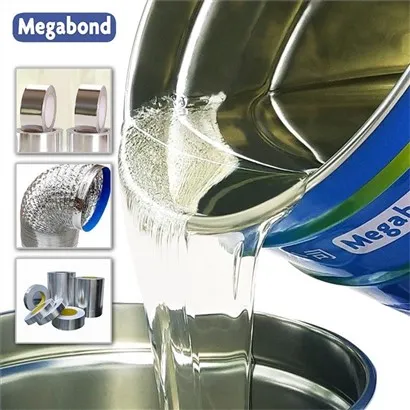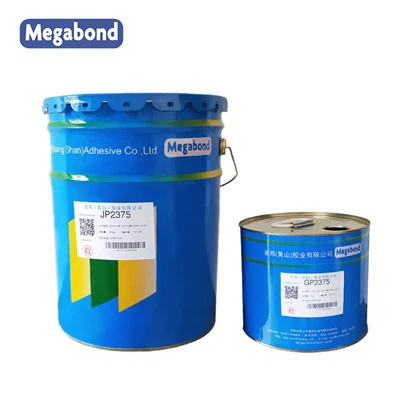


Polyurethane laminating adhesives have long been recognized as a cornerstone in the adhesives industry, offering a unique blend of properties that make them suitable for a wide range of applications. As a leading supplier of polyurethane laminating adhesives, I've witnessed firsthand the remarkable flexibility these adhesives provide, which is a key factor in their widespread use across various sectors.
Chemical Composition and Its Impact on Flexibility
The flexibility of polyurethane laminating adhesives is deeply rooted in their chemical composition. Polyurethanes are formed through the reaction between polyols and isocyanates. The choice of polyols, whether they are polyester, polyether, or polycarbonate-based, significantly influences the adhesive's properties. Polyether polyols, for instance, tend to impart excellent flexibility and hydrolytic stability to the adhesive. This is because the ether linkages in polyether polyols are more flexible than the ester linkages in polyester polyols, allowing the adhesive to better withstand mechanical stress and deformation.
Moreover, the ratio of polyols to isocyanates can be carefully adjusted to fine-tune the flexibility of the resulting adhesive. A higher proportion of polyols generally leads to a more flexible adhesive, as there are more long - chain polyol segments available to absorb and distribute stress. On the other hand, increasing the amount of isocyanates can enhance the adhesive's strength and hardness but may reduce its flexibility.
Flexibility in Different Application Environments
One of the most remarkable aspects of polyurethane laminating adhesives is their ability to maintain flexibility in diverse application environments. In high - temperature environments, for example, these adhesives can still exhibit good flexibility, which is crucial for applications such as in the automotive industry. Automotive interiors often require adhesives that can withstand the heat generated by the engine and sunlight without losing their bonding strength or flexibility. Our polyurethane laminating adhesives are designed to maintain their integrity at elevated temperatures, ensuring a long - lasting bond between different materials.
Conversely, in cold - temperature environments, the flexibility of polyurethane laminating adhesives is also well - preserved. This is essential for applications in the packaging industry, where products may be stored and transported in cold warehouses or refrigerated trucks. Our adhesives can prevent delamination and maintain a strong bond even in sub - zero temperatures, providing reliable protection for the packaged goods.
Flexibility in Bonding Different Materials
Another dimension of the flexibility of polyurethane laminating adhesives lies in their ability to bond a wide variety of materials. They can effectively bond plastics, metals, fabrics, and paper, among others. When bonding plastics, the adhesive's flexibility allows it to accommodate the different thermal expansion coefficients of the plastic materials. For example, when laminating a rigid plastic film to a flexible plastic substrate, the adhesive can absorb the stress caused by temperature changes and prevent the formation of cracks or delamination.
In the case of metal - plastic bonding, such as in the production of metal - plastic composite parts, the flexibility of our Solvent-based Metal Plastic Tinplate Laminating PU Glue ensures a strong and durable bond. The adhesive can compensate for the differences in mechanical properties between the metal and plastic, such as stiffness and elasticity, and maintain a stable bond under various operating conditions.
Flexibility in Processing
Polyurethane laminating adhesives also offer flexibility in the processing stage. They can be applied using different methods, including roll coating, spray coating, and curtain coating. This flexibility in application methods allows manufacturers to choose the most suitable process according to their production requirements and the nature of the materials being bonded.
For example, roll coating is a commonly used method for continuous production lines, where a thin and uniform layer of adhesive can be applied to the substrate. Our adhesives have excellent flow properties, which ensure smooth and consistent coating during the roll - coating process. Spray coating, on the other hand, is more suitable for irregularly shaped substrates or for applications where a precise amount of adhesive needs to be applied. The ability of our polyurethane laminating adhesives to be easily atomized and sprayed makes them a preferred choice for such applications.
Flexibility in Meeting Industry Standards
In today's highly regulated industrial environment, the flexibility of polyurethane laminating adhesives to meet various industry standards is of utmost importance. Our adhesives are formulated to comply with strict environmental regulations, such as restrictions on volatile organic compound (VOC) emissions. We offer Solvent-based DMD Insulation Laminating PU Glue and Solvent-based DMD Insulation Laminating Adhesive that have low VOC content, which not only helps our customers meet environmental requirements but also provides a safer working environment.
In addition, our adhesives can meet the quality and performance standards of different industries. For the electronics industry, where high - precision bonding and insulation are required, our adhesives can provide excellent electrical insulation properties while maintaining the necessary flexibility. For the food packaging industry, our adhesives are formulated to be non - toxic and comply with food contact regulations, ensuring the safety of the packaged food.
Conclusion
The flexibility of polyurethane laminating adhesives is a multi - faceted characteristic that encompasses chemical composition, application environments, bonding materials, processing methods, and compliance with industry standards. As a supplier, we are committed to leveraging this flexibility to provide our customers with high - quality adhesives that meet their specific needs.
Whether you are in the automotive, packaging, electronics, or any other industry that requires reliable bonding solutions, our polyurethane laminating adhesives can offer the flexibility and performance you need. If you are interested in learning more about our products or discussing your specific requirements, please feel free to contact us for procurement and further discussions.


References
- "Polyurethane Adhesives: Chemistry, Technology, and Applications" by X. Wang, et al.
- "Handbook of Adhesive Technology" edited by A. Pizzi and K. L. Mittal.
- Industry reports on the use of polyurethane laminating adhesives in different sectors.