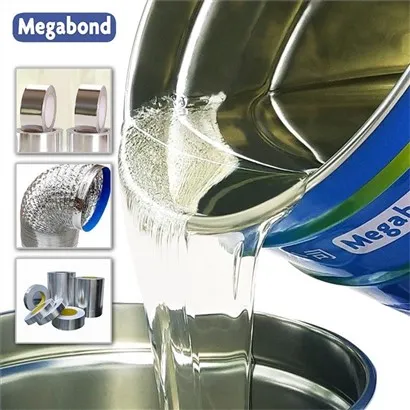


Hey there! As a supplier of Polyurethane laminating Adhesive, I've had my fair share of experiences when it comes to dealing with the viscosity of these adhesives. Viscosity is a crucial factor that can make or break the performance of your lamination process. So, let's dive right in and talk about how to adjust the viscosity of Polyurethane laminating Adhesive.
Why Viscosity Matters
First off, let's understand why viscosity is such a big deal. Viscosity refers to the thickness or resistance to flow of a liquid. In the case of Polyurethane laminating Adhesive, the right viscosity ensures proper coating, bonding, and overall lamination quality. If the viscosity is too high, the adhesive might not spread evenly, leading to uneven bonding and possible defects in the laminated product. On the other hand, if it's too low, the adhesive might run off or not provide enough bonding strength.
Factors Affecting Viscosity
Before we get into the adjustment methods, it's important to know what factors can affect the viscosity of Polyurethane laminating Adhesive.
- Temperature: Temperature has a significant impact on viscosity. Generally, as the temperature increases, the viscosity of the adhesive decreases. This is because higher temperatures provide more energy to the molecules, allowing them to move more freely and reducing the internal resistance to flow.
- Solvent Content: The amount of solvent in the adhesive also plays a role. More solvent usually means lower viscosity, as the solvent dilutes the adhesive and makes it thinner.
- Shear Rate: The shear rate, which is the rate at which the adhesive is being deformed, can affect its viscosity. Some adhesives exhibit non - Newtonian behavior, meaning their viscosity changes with the shear rate.
Adjusting Viscosity: Methods and Tips
1. Temperature Control
One of the simplest ways to adjust viscosity is by controlling the temperature. If you find that the adhesive is too thick, you can gently heat it. However, be careful not to overheat it, as this can cause the adhesive to react prematurely or degrade.
For example, if you're using a Solvent-based 121℃ Anti-Retorting Laminating Adhesive, you can use a heating system to maintain the optimal temperature range. This could be a water bath or a heating jacket around the adhesive container. Make sure to monitor the temperature closely using a thermometer.
On the other hand, if the adhesive is too thin, you can cool it down. But again, don't let it get too cold, as this can cause the adhesive to become too viscous and difficult to work with.
2. Solvent Addition or Evaporation
Adding or removing solvent is another common method to adjust viscosity. If the adhesive is too thick, you can add a small amount of the appropriate solvent. However, make sure to use the solvent recommended by the adhesive manufacturer, as using the wrong solvent can cause compatibility issues.
For instance, if you're working with a Solvent-based Film Laminating Adhesive, you can add a small amount of the specified solvent in increments. Stir the adhesive well after each addition and check the viscosity. You can use a viscometer to get an accurate measurement.
If the adhesive is too thin, you can allow some of the solvent to evaporate. You can do this by leaving the adhesive container open in a well - ventilated area for a short period. But be careful not to let it evaporate too much, as this can change the chemical properties of the adhesive.
3. Mixing and Shearing
Proper mixing can also help in adjusting viscosity. Sometimes, the adhesive might have uneven viscosity due to settling or incomplete mixing during production. Using a high - speed mixer can help to break up any clumps and distribute the components evenly, which can result in a more consistent viscosity.
Shearing the adhesive can also have an effect on its viscosity, especially for non - Newtonian adhesives. You can use a shear - generating device, such as a gear pump or a high - shear mixer, to change the viscosity. However, be aware that excessive shearing can sometimes cause the adhesive to change its properties permanently.
Testing the Viscosity
Once you've made adjustments to the viscosity, it's important to test it to make sure it's within the desired range. There are several ways to test viscosity:
- Viscometers: These are the most accurate way to measure viscosity. There are different types of viscometers, such as rotational viscometers and capillary viscometers. You can choose the one that is most suitable for your adhesive and application.
- Flow Cup: A flow cup is a simple and inexpensive way to get a rough estimate of viscosity. You pour the adhesive into the cup and measure the time it takes for the adhesive to flow out of a small hole at the bottom.
Case Studies
Let me share a couple of real - life examples of how viscosity adjustment made a difference in our customers' lamination processes.
One customer was using our Solvent-based Economical Laminating Adhesive for packaging laminations. They were experiencing uneven bonding and some areas of the laminate were delaminating. After checking, we found that the viscosity of the adhesive was too high. We recommended gently heating the adhesive to lower its viscosity. After making this adjustment, the adhesive spread more evenly, and the bonding quality improved significantly.
Another customer was having issues with the adhesive running off the substrate during the lamination process. The viscosity was too low. We advised them to let some of the solvent evaporate by leaving the adhesive container open in a well - ventilated area for a short time. This increased the viscosity, and the adhesive stayed in place during lamination, resulting in a better - quality product.
Conclusion
Adjusting the viscosity of Polyurethane laminating Adhesive is a crucial step in ensuring a successful lamination process. By understanding the factors that affect viscosity and using the right adjustment methods, you can achieve the optimal viscosity for your specific application.
If you're facing any issues with the viscosity of your Polyurethane laminating Adhesive or are looking for the right adhesive for your project, don't hesitate to reach out. We're here to help you with all your adhesive needs and ensure that your lamination process runs smoothly.


References
- "Handbook of Adhesive Technology" by Andrew Pizzi and K. L. Mittal
- "Polyurethane Handbook" by Gunter Oertel