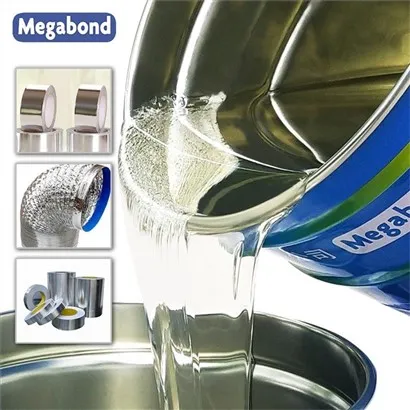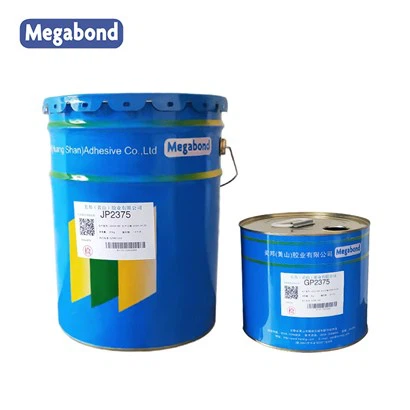


Hey there! As a supplier of Polyurethane laminating Adhesive, I often get asked about the peel strength of our products. So, I thought I'd take a few minutes to break it down for you and explain why it's such an important factor when choosing an adhesive for your laminating needs.
What is Peel Strength?
Peel strength is a measure of how well an adhesive holds two materials together when they are pulled apart at a specific angle and speed. In the context of Polyurethane laminating Adhesive, it refers to the force required to separate the laminated layers. This is crucial because in many applications, the laminated materials need to stay firmly bonded under various conditions, such as different temperatures, humidity levels, and mechanical stresses.
Think about it like this: if you're laminating packaging materials, you want the layers to stay together throughout the entire supply chain, from the factory to the store shelf and finally to the consumer's hands. A low peel strength could mean that the layers start to separate, which not only looks bad but can also compromise the integrity of the product inside.
Factors Affecting Peel Strength
There are several factors that can influence the peel strength of Polyurethane laminating Adhesive. Let's take a closer look at some of the most important ones:
1. Substrate Materials
The type of materials you're laminating plays a huge role. Different substrates have different surface energies, which can affect how well the adhesive adheres to them. For example, materials with smooth surfaces may require a different type of adhesive compared to those with rough or porous surfaces. Some substrates may also have chemical properties that can interact with the adhesive, either positively or negatively.
2. Adhesive Formulation
The formulation of the Polyurethane laminating Adhesive is another key factor. Our company offers a range of adhesives, each designed for specific applications. For instance, our Solvent-based Anti-Chemicals Polyether Laminating Adhesive is formulated to resist chemical attacks, which can be crucial in industries where the laminated products may come into contact with various chemicals.
The ratio of the components in the adhesive, such as the isocyanate and polyol, can also impact the peel strength. A well-balanced formulation will ensure optimal cross - linking, which leads to better adhesion and higher peel strength.
3. Application Conditions
How the adhesive is applied matters a great deal. Factors like the temperature, humidity, and application speed can all affect the peel strength. For example, if the application temperature is too low, the adhesive may not flow properly, resulting in poor wetting of the substrates and lower peel strength. On the other hand, if the humidity is too high, it can cause issues with the curing process of the adhesive.
4. Curing Process
The curing process is essential for achieving the desired peel strength. Polyurethane adhesives typically cure through a chemical reaction, and the time and temperature during this process are critical. If the curing time is too short, the adhesive may not fully cure, leading to weak bonds. Conversely, over - curing can also cause problems, such as brittleness, which can reduce the peel strength.
Measuring Peel Strength
So, how do we measure the peel strength of our Polyurethane laminating Adhesive? There are standard test methods available, such as the ASTM D1876 test. In this test, a sample of the laminated material is prepared, and a machine is used to pull the layers apart at a constant speed and angle. The force required to separate the layers is then measured, and this value is reported as the peel strength.
It's important to note that the peel strength can vary depending on the test conditions, such as the speed of pulling and the angle of separation. That's why it's crucial to specify the test method and conditions when comparing the peel strength of different adhesives.
Our Product Range and Peel Strength
As I mentioned earlier, we offer a variety of Polyurethane laminating Adhesives to meet different customer needs. Our Solvent-based Polyurethane Laminating Adhesive is a popular choice for general laminating applications. It provides good peel strength and is suitable for a wide range of substrates.
For applications that require high - temperature resistance, our Solvent-based 125℃ Anti-Retorting Laminating Adhesive is an excellent option. It can maintain its peel strength even after being subjected to high - temperature retorting processes, which are commonly used in the food packaging industry.
Why Peel Strength Matters in Different Industries
Packaging Industry
In the packaging industry, peel strength is of utmost importance. Whether it's flexible packaging for snacks, beverages, or pharmaceuticals, the laminated layers need to stay together to protect the product inside. A strong peel strength ensures that the packaging remains intact during handling, transportation, and storage.
Automotive Industry
In the automotive industry, Polyurethane laminating Adhesives are used for various applications, such as interior trim laminating. The peel strength is crucial here to ensure that the laminated components stay in place, even under the vibrations and temperature changes that occur during normal vehicle operation.
Textile Industry
In the textile industry, adhesives are used to laminate different fabric layers. A high peel strength is necessary to ensure that the laminated textiles maintain their shape and integrity, especially when they are subjected to washing, stretching, and other mechanical stresses.
Conclusion
In conclusion, the peel strength of Polyurethane laminating Adhesive is a critical factor that can significantly impact the performance of laminated products. It's influenced by several factors, including substrate materials, adhesive formulation, application conditions, and the curing process.
At our company, we understand the importance of peel strength, and we've developed a range of high - quality adhesives to meet the diverse needs of our customers. Whether you're in the packaging, automotive, textile, or any other industry, we have an adhesive solution for you.
If you're interested in learning more about our Polyurethane laminating Adhesives or would like to discuss your specific requirements, please don't hesitate to reach out. We're always happy to help you find the right adhesive for your project.


References
- ASTM International. (2019). ASTM D1876 - 15(2019) Standard Test Method for Peel Resistance of Adhesives (T - Peel Test).
- "Handbook of Adhesive Technology" by Skeist, I.