

As a supplier of solvent-based lamination adhesive, I often get asked about the optimal storage temperature range for our products. Understanding the correct storage temperature is crucial as it directly impacts the adhesive's performance, shelf life, and overall quality. In this blog, I'll delve into the science behind the storage temperature range for solvent-based lamination adhesive and explain why it's so important.
The Basics of Solvent-Based Lamination Adhesive
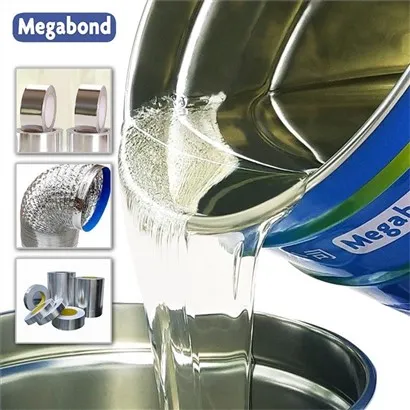
Solvent-based lamination adhesives are widely used in the packaging industry for laminating different types of films. They offer excellent adhesion, high bond strength, and good resistance to various environmental factors. These adhesives typically consist of a resin, a solvent, and additives. The solvent plays a key role in dissolving the resin and allowing it to spread evenly during the lamination process.
Why Storage Temperature Matters
The storage temperature of solvent-based lamination adhesive can have a significant impact on its properties. If the adhesive is stored at too high a temperature, the solvent can evaporate more quickly, leading to an increase in the adhesive's viscosity. This can make the adhesive difficult to apply and may result in poor lamination quality. On the other hand, if the adhesive is stored at too low a temperature, it can thicken or even freeze, which can also affect its performance.
The Ideal Storage Temperature Range
The ideal storage temperature range for solvent-based lamination adhesive is typically between 10°C and 30°C (50°F and 86°F). Within this range, the adhesive maintains its optimal viscosity and chemical stability. At temperatures below 10°C, the adhesive may start to thicken, and at temperatures above 30°C, the solvent evaporation rate increases, which can lead to changes in the adhesive's properties.
It's important to note that these are general guidelines, and the specific storage temperature range may vary depending on the type of adhesive. Some adhesives may have a narrower or wider temperature range, so it's always best to refer to the product's technical data sheet for the most accurate information.
Effects of Temperature Fluctuations
In addition to maintaining the adhesive within the recommended temperature range, it's also important to avoid significant temperature fluctuations. Rapid changes in temperature can cause the adhesive to expand and contract, which can lead to the formation of air bubbles or other defects in the lamination. To minimize the impact of temperature fluctuations, it's recommended to store the adhesive in a stable environment and to avoid exposing it to direct sunlight or extreme heat sources.
Storage Conditions
When storing solvent-based lamination adhesive, it's important to keep it in a cool, dry place away from direct sunlight and heat sources. The storage area should be well-ventilated to prevent the accumulation of solvent vapors. It's also a good idea to store the adhesive in its original container with the lid tightly closed to prevent solvent evaporation and contamination.


Our Product Range
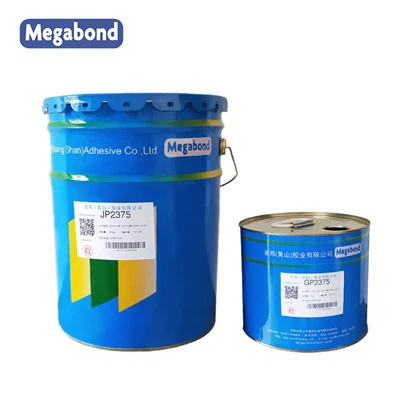
At our company, we offer a wide range of solvent-based lamination adhesives to meet the diverse needs of our customers. Our products include Solvent-based AL-plating Film Laminating Adhesive, Solvent-based Low Cost Laminating Adhesive, and Solvent-based MET Plastic Film Laminating Adhesive. Each of these adhesives is formulated to provide excellent performance and reliability, and they all come with detailed storage and handling instructions to ensure optimal results.
Importance of Following Storage Guidelines
Following the recommended storage temperature range and guidelines is essential for maintaining the quality and performance of our solvent-based lamination adhesives. By storing the adhesive correctly, you can ensure that it remains in good condition and provides consistent results over its shelf life. This not only helps to improve the quality of your lamination products but also reduces the risk of production issues and waste.
Contact Us for More Information
If you have any questions about the storage temperature range for our solvent-based lamination adhesives or if you're interested in learning more about our products, please don't hesitate to contact us. Our team of experts is always available to provide you with the information and support you need to make the right choice for your application. We look forward to working with you and helping you achieve the best results with our high-quality adhesives.
References
- "Handbook of Adhesive Technology", Second Edition, edited by Andrew Pizzi and K. L. Mittal.
- Technical data sheets of our solvent-based lamination adhesives.