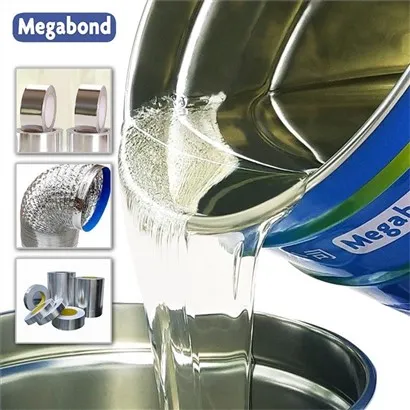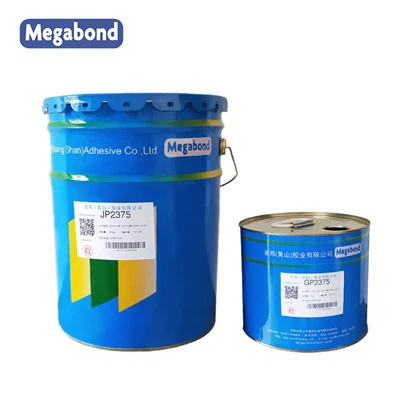


Hey there! I'm a supplier of water based lamination adhesive, and today I wanna chat about one of the most crucial aspects of our product: water resistance.
Let's start by understanding what water resistance means in the context of water based lamination adhesive. Simply put, water resistance refers to the ability of the adhesive to withstand the effects of water without losing its bonding properties. When we're talking about laminating, this is super important because the laminated materials might come into contact with moisture during storage, transportation, or even in their end - use environments.
Factors Affecting Water Resistance
There are several factors that can influence the water resistance of water based lamination adhesive.
1. Polymer Composition
The type of polymers used in the adhesive formulation plays a huge role. For example, some polymers have a natural affinity for water, while others are more hydrophobic. In our water based lamination adhesive, we carefully select polymers that offer good water - repelling characteristics. Water - based acrylic polymers are a great choice. They can form a strong film that acts as a barrier against water. You can learn more about Water - based Acrylic Laminating Adhesive. These polymers are known for their excellent adhesion and relatively good water resistance.
2. Cross - Linking
Cross - linking is another key factor. When the adhesive forms cross - links between its polymer chains, it creates a more rigid and stable structure. This structure is better at resisting water penetration. We use specific cross - linking agents in our formulations to enhance the water resistance of our adhesives. The cross - linking process can be triggered by heat, moisture, or chemical reactions, depending on the type of adhesive.


3. Additives
Additives can also improve water resistance. For instance, we might add waxes or silicone - based additives. Waxes can form a protective layer on the surface of the adhesive, reducing water absorption. Silicone additives can enhance the hydrophobicity of the adhesive, making it more resistant to water.
Testing Water Resistance
So, how do we know if our water based lamination adhesive has good water resistance? We use a few different tests.
1. Immersion Test
In the immersion test, we take a laminated sample and immerse it in water for a specific period. Then we check for any signs of delamination, such as the layers separating or the adhesive losing its adhesion. If the sample remains intact after the immersion, it indicates good water resistance.
2. Humidity Test
The humidity test involves exposing the laminated sample to a high - humidity environment. We control the temperature and humidity levels in a chamber and observe the sample over time. If there's no visible damage or loss of adhesion, the adhesive is considered to have good resistance to humidity, which is also an important aspect of water resistance.
Applications and the Need for Water Resistance
The water resistance of our water based lamination adhesive is crucial in many applications.
1. Packaging
In the packaging industry, products often face various environmental conditions. Food packaging, for example, might be exposed to moisture from the food itself or from the surrounding air. Our water resistant adhesive ensures that the laminated packaging materials stay intact, protecting the contents inside. It also maintains the aesthetic appeal of the packaging, which is important for marketing.
2. Bookbinding
For books, especially those that might be used in libraries or in environments where they could get wet, water resistant lamination adhesive is essential. It keeps the pages together and prevents the cover from peeling off, even if the book accidentally gets splashed with water.
3. Labeling
Labels on products like bottles or containers might come into contact with water during washing or in humid storage conditions. A water resistant adhesive ensures that the labels stay firmly attached, maintaining the product's branding and information.
Our Commitment to Water Resistance
As a supplier, we're constantly working to improve the water resistance of our water based lamination adhesive. We invest in research and development to find better polymers, cross - linking agents, and additives. We also conduct rigorous testing to ensure that our products meet the highest standards of water resistance.
We understand that different customers have different requirements when it comes to water resistance. Some might need an adhesive that can withstand short - term exposure to water, while others need long - term protection in extremely wet environments. That's why we offer a range of products with varying levels of water resistance.
Conclusion
In conclusion, water resistance is a vital characteristic of water based lamination adhesive. It's determined by factors like polymer composition, cross - linking, and additives. Through proper testing, we can ensure that our adhesives meet the needs of various applications. Whether it's packaging, bookbinding, or labeling, our water resistant adhesives provide reliable performance.
If you're in the market for high - quality water based lamination adhesive with excellent water resistance, we'd love to talk to you. Whether you're a small business or a large corporation, we can provide you with the right product for your needs. Reach out to us to start a conversation about your specific requirements and let's find the perfect adhesive solution together.
References
- "Handbook of Adhesives and Sealants" by Henry S. Katz and Allan W. Lee
- Research papers on water based polymer adhesives from leading academic journals.