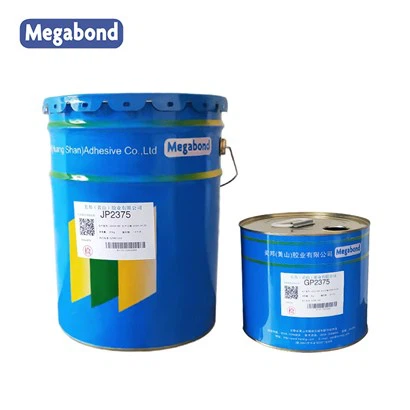


Hey there! As a supplier of laminating adhesive, I often get asked about the tackiness of laminating adhesive. So, I thought I'd take a moment to break it down for you and explain what it means, why it matters, and how it affects your projects.
What is Tackiness?
First things first, let's talk about what tackiness actually is. Tackiness refers to the stickiness or adhesiveness of a substance when it comes into contact with another surface. In the context of laminating adhesive, tackiness is the ability of the adhesive to form an immediate bond with the materials being laminated. It's that initial "grab" that holds the layers together before the adhesive fully cures.
Think of it like when you press two pieces of tape together. The moment you touch them, they stick a little bit, right? That's tack. In laminating, this initial stickiness is crucial because it keeps the layers aligned and prevents them from shifting or slipping during the lamination process.
Why Does Tackiness Matter?
Tackiness plays a vital role in the success of a lamination project. Here are a few reasons why:
1. Alignment and Positioning
When you're laminating multiple layers of materials, getting them perfectly aligned is essential. Good tackiness allows you to position the layers exactly where you want them and hold them in place while the adhesive cures. Without sufficient tack, the layers might move around, resulting in a misaligned or uneven lamination.
2. Process Efficiency
In a production environment, time is money. A laminating adhesive with the right amount of tack can speed up the lamination process. It enables faster assembly because the layers stay in place as soon as they're brought together, reducing the need for additional clamping or holding devices.
3. Bond Strength
Tack is not just about the initial hold; it also contributes to the overall bond strength of the lamination. A strong initial tack can help the adhesive penetrate the surfaces of the materials better, creating a more intimate contact between the layers. This, in turn, leads to a stronger and more durable bond once the adhesive fully cures.


Factors Affecting Tackiness
Several factors can influence the tackiness of a laminating adhesive:
1. Adhesive Chemistry
Different types of laminating adhesives have different levels of tack. For example, solvent-based adhesives often have high initial tack because the solvents evaporate quickly, leaving a sticky surface. On the other hand, solvent - free adhesives, like the Solvent-free Anti-Chemicals Laminating Adhesive, Solvent-free 100℃ Anti-Cooking Laminating Adhesive, and Solvent-free 121℃ Retortable Laminating Adhesive, may have a different tack profile. They rely on other mechanisms, such as chemical reactions, to create a bond, and their tack might develop over time.
2. Temperature and Humidity
The temperature and humidity of the environment can have a significant impact on tackiness. In general, higher temperatures can increase the tack of an adhesive because it makes the adhesive more fluid and easier to spread. However, extremely high temperatures can also cause the adhesive to dry too quickly, reducing its tack. Humidity can also affect tack, as moisture in the air can interfere with the adhesive's curing process.
3. Surface Properties
The nature of the surfaces being laminated matters. Smooth, clean surfaces tend to have better tack with an adhesive than rough or dirty surfaces. If the surfaces are contaminated with oils, dust, or other substances, the adhesive may not be able to form a good bond, resulting in reduced tack.
Measuring Tackiness
There are several methods to measure the tackiness of a laminating adhesive. One common method is the finger - touch test. You simply touch the adhesive surface and feel how sticky it is. While this is a quick and easy way to get a general idea of tack, it's not very precise.
For more accurate measurements, there are specialized instruments available. One such instrument is the probe tack tester. It measures the force required to pull a probe away from the adhesive surface after a certain amount of contact time and pressure. Another method is the loop tack test, where a loop of the adhesive - coated material is brought into contact with a surface, and the force required to separate them is measured.
Controlling Tackiness
As a laminating adhesive supplier, we understand the importance of providing adhesives with the right level of tack for different applications. We can adjust the tackiness of our adhesives through several means:
1. Formulation
By carefully selecting the raw materials and additives in the adhesive formulation, we can control the tack. For example, adding certain polymers or resins can increase the tack, while others can reduce it.
2. Processing Conditions
We can also recommend specific processing conditions to optimize the tack of our adhesives. This might include adjusting the temperature, pressure, or application speed during the lamination process.
Choosing the Right Adhesive Based on Tackiness
When choosing a laminating adhesive, it's important to consider the required level of tack for your specific application. Here are some guidelines:
1. Light - Duty Applications
For light - duty laminations, such as laminating paper or thin films, an adhesive with moderate tack might be sufficient. These applications usually don't require a very strong initial hold, and a moderate - tack adhesive can still provide a good bond.
2. Heavy - Duty Applications
In heavy - duty applications, like laminating thick plastics or metal foils, a high - tack adhesive is often necessary. These materials are more difficult to align and hold in place, so a strong initial tack is essential to ensure a successful lamination.
3. High - Speed Production
If you're working in a high - speed production environment, you'll need an adhesive with fast - developing tack. This allows the layers to be quickly bonded together without waiting for the adhesive to build up tack over time.
Conclusion
In conclusion, tackiness is a critical property of laminating adhesive that can make or break a lamination project. It affects alignment, process efficiency, and bond strength. As a laminating adhesive supplier, we're committed to providing adhesives with the right level of tack for your specific needs. Whether you're looking for a Solvent-free Anti-Chemicals Laminating Adhesive, Solvent-free 100℃ Anti-Cooking Laminating Adhesive, or Solvent-free 121℃ Retortable Laminating Adhesive, we have the expertise to help you choose the best adhesive for your project.
If you're interested in learning more about our laminating adhesives or have any questions about tackiness, don't hesitate to reach out. We're here to assist you in finding the perfect adhesive solution for your laminating needs. Let's start a conversation and see how we can work together to make your lamination projects a success!
References
- ASTM D2979 - Standard Test Method for Probe Tack of Pressure - Sensitive Adhesives
- ASTM D6195 - Standard Test Method for Loop Tack of Pressure - Sensitive Adhesives