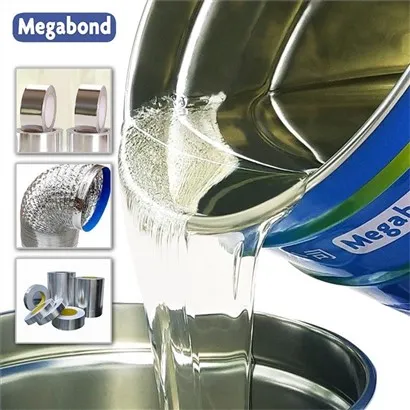


As a PVC laminating glue supplier, I'm often asked about alternatives to PVC laminating glue. This is a valid concern, especially considering the environmental and health implications associated with traditional PVC laminating glues. In this blog post, I'll explore some of the alternatives available in the market and discuss their pros and cons.
Understanding PVC Laminating Glue
Before delving into alternatives, it's important to understand what PVC laminating glue is and why it's widely used. PVC laminating glue is a type of adhesive specifically designed to bond PVC films or sheets to various substrates, such as wood, metal, or plastic. It offers excellent adhesion, durability, and flexibility, making it a popular choice in industries like furniture manufacturing, automotive interiors, and packaging.
However, PVC laminating glue also has some drawbacks. Many traditional PVC laminating glues contain solvents, which can release volatile organic compounds (VOCs) into the air. These VOCs can have negative health effects on workers and the environment, contributing to air pollution and potentially causing respiratory problems. Additionally, some PVC laminating glues may not be suitable for certain applications due to their chemical composition or performance limitations.
Alternatives to PVC Laminating Glue
Water-Based Adhesives
Water-based adhesives are one of the most popular alternatives to PVC laminating glue. These adhesives use water as a solvent instead of traditional organic solvents, which significantly reduces the emission of VOCs. Water-based adhesives are also non-toxic, making them a safer option for both workers and the environment.
One of the key advantages of water-based adhesives is their ease of use. They can be applied using standard coating equipment, such as rollers or spray guns, and they dry relatively quickly. Water-based adhesives also offer good adhesion to a variety of substrates, including PVC, wood, and metal. However, they may have some limitations in terms of heat resistance and water resistance compared to solvent-based adhesives.
Hot Melt Adhesives
Hot melt adhesives are another alternative to PVC laminating glue. These adhesives are solid at room temperature and become liquid when heated. They are typically applied using a hot melt gun or a specialized coating machine. Hot melt adhesives offer several advantages, including fast bonding, high initial tack, and excellent heat resistance.
One of the main benefits of hot melt adhesives is their ability to bond quickly, which can increase productivity in manufacturing processes. They also have a long shelf life and do not require any special storage conditions. However, hot melt adhesives may have some limitations in terms of flexibility and adhesion to certain substrates. Additionally, they require specialized equipment for application, which can increase the initial investment cost.
Pressure-Sensitive Adhesives
Pressure-sensitive adhesives (PSAs) are a type of adhesive that bonds to a substrate when pressure is applied. They are commonly used in applications such as labels, tapes, and decals. PSAs offer several advantages, including easy application, repositionability, and good adhesion to a variety of substrates.
One of the key benefits of PSAs is their ability to be applied without the need for heat or solvents. This makes them a more environmentally friendly option compared to traditional PVC laminating glues. PSAs also offer good flexibility and can conform to irregular surfaces. However, they may have some limitations in terms of heat resistance and durability compared to other types of adhesives.


UV-Curable Adhesives
UV-curable adhesives are a type of adhesive that cures when exposed to ultraviolet (UV) light. These adhesives offer several advantages, including fast curing times, high bond strength, and excellent chemical resistance. UV-curable adhesives are commonly used in applications such as electronics, optics, and medical devices.
One of the main benefits of UV-curable adhesives is their ability to cure quickly, which can increase productivity in manufacturing processes. They also have a low viscosity, which allows for easy application and good wetting of the substrate. Additionally, UV-curable adhesives do not require any solvents, which makes them a more environmentally friendly option. However, they require specialized equipment for curing, which can increase the initial investment cost.
Comparing the Alternatives
When considering alternatives to PVC laminating glue, it's important to compare the different options based on your specific application requirements. Here is a summary of the pros and cons of each alternative:
| Alternative | Pros | Cons |
|---|---|---|
| Water-Based Adhesives | Low VOC emissions, non-toxic, easy to use | Limited heat and water resistance |
| Hot Melt Adhesives | Fast bonding, high initial tack, excellent heat resistance | Limited flexibility, requires specialized equipment |
| Pressure-Sensitive Adhesives | Easy application, repositionable, good adhesion | Limited heat resistance and durability |
| UV-Curable Adhesives | Fast curing times, high bond strength, excellent chemical resistance | Requires specialized equipment for curing |
Our Product Offerings
As a PVC laminating glue supplier, we also offer a range of alternative adhesives to meet the diverse needs of our customers. Some of our popular products include:
- Solvent-based DMD Insulation Laminating Adhesive: This adhesive is designed for laminating DMD insulation materials and offers excellent adhesion and heat resistance.
- Solvent-based Door Panel PVC Metal Laminating Adhesive: This adhesive is specifically formulated for bonding PVC films to metal door panels and provides strong and durable bonds.
- Solvent-based DMD Insulation Laminating PU Glue: This polyurethane glue is suitable for laminating DMD insulation materials and offers high bond strength and chemical resistance.
Conclusion
In conclusion, there are several alternatives to PVC laminating glue available in the market, each with its own advantages and disadvantages. When choosing an alternative adhesive, it's important to consider your specific application requirements, such as adhesion strength, heat resistance, and environmental impact. As a PVC laminating glue supplier, we are committed to providing our customers with high-quality adhesives that meet their needs while also considering the health and safety of workers and the environment.
If you're interested in learning more about our alternative adhesives or have any questions about PVC laminating glue, please don't hesitate to contact us. We'd be happy to discuss your specific requirements and help you find the best adhesive solution for your application.
References
- "Adhesive Technology Handbook," edited by John A. Dorsey.
- "Handbook of Pressure-Sensitive Adhesives and Products," edited by David Satas.
- "UV Curing: Science and Technology," edited by Steven P. Pappas.