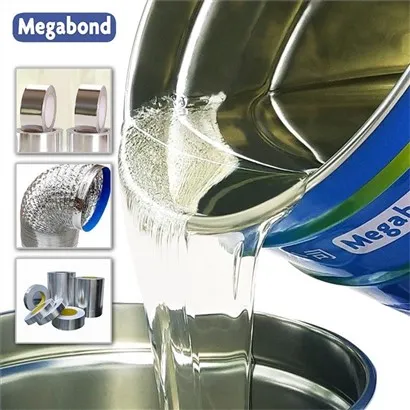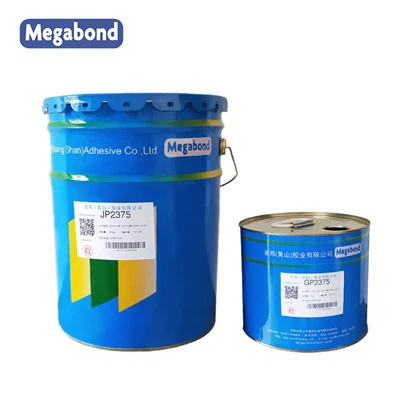


Hey there! As a supplier of solvent-based laminating adhesives, I often get asked whether our products can be used for laminating PVC films. It's a great question, and in this blog, I'll break down all the details to give you a clear answer.
First off, let's talk a bit about PVC films. PVC, or polyvinyl chloride, is a widely used plastic material known for its durability, flexibility, and affordability. It's used in a variety of applications, from packaging to signage, and even in some clothing and upholstery. When it comes to laminating PVC films, the goal is usually to add an extra layer of protection, improve the appearance, or enhance the functionality of the film.
Now, let's get to the main point: Can solvent-based laminating adhesives be used for laminating PVC films? The short answer is yes, but there are a few things you need to consider.
Compatibility
One of the most important factors to consider is the compatibility between the solvent-based adhesive and the PVC film. Not all adhesives are created equal, and some may not bond well with PVC. This can lead to issues such as delamination, where the layers of the laminate separate over time.
To ensure compatibility, it's important to choose an adhesive that is specifically formulated for use with PVC. At our company, we have a range of solvent-based laminating adhesives that are designed to work well with PVC films. For example, our Solvent-based 135℃ Anti-Steaming Laminating Adhesive is a great option for applications where the laminate will be exposed to high temperatures and steam. It provides a strong, durable bond that can withstand the rigors of the environment.
Another option is our Solvent-based 121℃ Anti-Retorting Laminating Adhesive. This adhesive is specifically designed for use in retort packaging, where the laminate is subjected to high-pressure steam sterilization. It has excellent heat resistance and adhesion properties, making it ideal for laminating PVC films in this type of application.
Application Process
In addition to compatibility, the application process is also important. Solvent-based adhesives require a specific application process to ensure proper bonding. This typically involves applying the adhesive to one or both of the surfaces to be laminated, allowing the solvent to evaporate, and then pressing the surfaces together under pressure.
When laminating PVC films, it's important to follow the manufacturer's instructions carefully. This includes using the correct amount of adhesive, applying it evenly, and allowing sufficient time for the solvent to evaporate. If the adhesive is not applied correctly, it can lead to issues such as poor adhesion, bubbles, or uneven bonding.
Environmental Considerations
Another factor to consider is the environmental impact of using solvent-based adhesives. Solvent-based adhesives contain volatile organic compounds (VOCs), which can be harmful to the environment and human health. In recent years, there has been a growing trend towards using more environmentally friendly adhesives, such as water-based or solvent-free adhesives.


However, solvent-based adhesives still have their advantages. They typically provide a stronger bond and better resistance to heat, chemicals, and moisture compared to water-based adhesives. In some applications, such as those where the laminate will be exposed to harsh conditions, solvent-based adhesives may be the best choice.
At our company, we are committed to providing our customers with environmentally friendly solutions. We offer a range of solvent-based adhesives that have low VOC emissions, as well as water-based and solvent-free alternatives. Our Solvent-based Anti-Chemicals Polyether Laminating Adhesive is a great example of a solvent-based adhesive that has low VOC emissions and excellent chemical resistance.
Testing and Quality Control
Before using any adhesive for laminating PVC films, it's important to conduct thorough testing to ensure that it meets your specific requirements. This includes testing the adhesion strength, heat resistance, chemical resistance, and other properties of the laminate.
At our company, we have a state-of-the-art testing facility where we can conduct a variety of tests on our adhesives and laminates. We also have a team of experienced engineers and technicians who can provide technical support and advice to help you choose the right adhesive for your application.
Conclusion
In conclusion, solvent-based laminating adhesives can be used for laminating PVC films, but it's important to choose the right adhesive and follow the correct application process. By considering factors such as compatibility, application process, environmental impact, and testing, you can ensure that you get a high-quality laminate that meets your specific requirements.
If you're interested in learning more about our solvent-based laminating adhesives or have any questions about laminating PVC films, please don't hesitate to contact us. We'd be happy to help you find the right solution for your application.
References
- ASTM International. (2023). Standard Test Methods for Peel Resistance of Adhesives (T-Peel Test). ASTM D1876-08(2023).
- ISO 11339:2020. Adhesives - Determination of peel strength of bonded assemblies - T-peel test.
- Shen, M., & Li, Y. (2022). Adhesion mechanism and influencing factors of solvent-based polyurethane adhesives on PVC films. Journal of Adhesion Science and Technology, 36(12), 1513-1528.