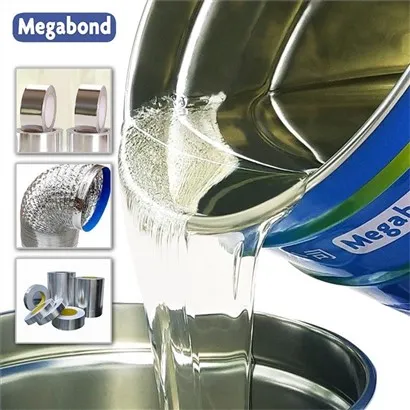


Hey there! As a supplier of solvent free lamination adhesive, I've seen firsthand the importance of safety when using these products. Solvent free lamination adhesives are a great choice for many applications because they're more environmentally friendly and often have better performance compared to solvent-based ones. But like any industrial product, they need to be handled with care. So, let's dive into the safety precautions you should take when using solvent free lamination adhesive.
Personal Protective Equipment (PPE)
First off, wearing the right PPE is crucial. You don't want to end up with a skin rash or worse, inhale any fumes that might be harmful.
- Gloves: Always wear chemical-resistant gloves. Solvent free adhesives might not have solvents, but they can still cause skin irritation. Nitrile gloves are a good choice as they offer good resistance to a wide range of chemicals. When you're handling the adhesive, make sure the gloves fit well and there are no holes or tears.
- Safety Goggles: Protect your eyes! Splashes can happen, and getting adhesive in your eyes can be extremely painful and cause serious damage. Safety goggles with side shields provide the best protection.
- Respirator: Although solvent free adhesives don't emit volatile organic compounds (VOCs) like solvent-based ones, there might still be some minor fumes or dust particles during the application process. A respirator can help filter out these particles and keep your lungs safe. Make sure it's properly fitted and the filters are changed regularly.
Storage and Handling
Proper storage and handling of the solvent free lamination adhesive are key to preventing accidents.
- Temperature and Humidity: Store the adhesive in a cool, dry place. Extreme temperatures can affect the adhesive's properties. High humidity can also cause issues like premature curing or the formation of bubbles. Most adhesives have a recommended storage temperature range, usually between 10°C - 30°C. Check the product label for the specific requirements of the Solvent-free Anti-Chemicals Laminating Adhesive you're using.
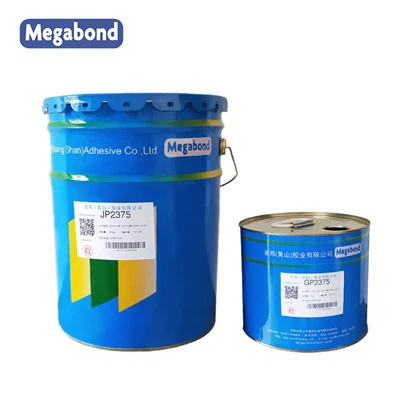
- Containers: Keep the adhesive in its original, tightly sealed container. If you need to transfer it to another container, make sure it's clean and suitable for storing adhesives. Label the new container clearly with the name of the adhesive, the date of transfer, and any safety information.
- Mixing: When mixing the adhesive components (if it's a two-part adhesive), follow the instructions carefully. Use the correct ratio and mix thoroughly. Incorrect mixing can lead to poor adhesion and other problems. Also, use clean mixing equipment to avoid contamination.
Application Process
The application process is where most of the action happens, and it's also where you need to be extra careful.
- Ventilation: Even though solvent free adhesives are better for the environment, it's still important to have good ventilation in the application area. This helps to remove any minor fumes or odors and keeps the air fresh. If possible, work in an area with open windows or use exhaust fans.
- Surface Preparation: Make sure the surfaces you're laminating are clean, dry, and free of any contaminants. Dust, oil, or moisture can affect the adhesion. You might need to use a cleaning agent to prepare the surfaces. Follow the manufacturer's recommendations for surface preparation.
- Application Equipment: Use the right equipment for the job. Whether it's a roller, a brush, or a spray gun, make sure it's clean and in good working condition. Improper equipment can lead to uneven application or splashing.
- Curing: After applying the adhesive, allow it to cure properly. This might involve leaving it at room temperature for a certain period or applying heat if required. Don't disturb the laminated parts during the curing process as this can affect the final bond strength.
Fire and Explosion Prevention
Although solvent free adhesives are less flammable than solvent-based ones, there's still a risk of fire or explosion in certain situations.
- Avoid Open Flames: Keep all sources of open flames, sparks, and heat away from the adhesive. This includes cigarettes, welding equipment, and hot surfaces. Even a small spark can ignite the adhesive or its vapors.
- Static Electricity: Static electricity can build up during the application process, especially in dry conditions. This can cause sparks and potentially lead to a fire. To prevent static electricity, use anti-static equipment and make sure the work area is properly grounded.
Emergency Procedures
It's important to be prepared for emergencies.
- Spill Cleanup: In case of a spill, act quickly. Use absorbent materials like sand or vermiculite to soak up the adhesive. Then, carefully scoop up the absorbed material and dispose of it properly according to local regulations. Don't let the spill spread and clean the area thoroughly to prevent slips and falls.
- First Aid: Know the first aid procedures in case of contact with the adhesive. If it gets on your skin, wash it off immediately with plenty of water and mild soap. If it gets in your eyes, flush them with water for at least 15 minutes and seek medical attention right away.
Waste Disposal
Proper waste disposal is not only important for safety but also for the environment.


- Empty Containers: Empty adhesive containers should be rinsed thoroughly before disposal. Make sure to follow local regulations regarding the disposal of chemical containers. Some areas might require you to recycle the containers, while others might have specific rules for hazardous waste disposal.
- Excess Adhesive: Don't pour excess adhesive down the drain. Instead, let it cure and then dispose of it as solid waste. Check with your local waste management facility for the proper way to dispose of cured adhesive.
Training and Education
Finally, make sure all the people involved in using the solvent free lamination adhesive are properly trained.
- Product Knowledge: Everyone should know the properties, handling instructions, and safety precautions of the specific adhesive they're using. This includes reading the product data sheet and following the manufacturer's guidelines.
- Safety Training: Provide regular safety training sessions to your employees. These sessions should cover topics like PPE use, emergency procedures, and proper handling techniques. Encourage your employees to ask questions and report any safety concerns.
In conclusion, using solvent free lamination adhesive can be a safe and efficient process if you follow these safety precautions. At our company, we're committed to providing high-quality Solvent-free 100℃ Anti-Cooking Laminating Adhesive and Solvent-free Aluminum Foil To Films Laminating Adhesive products that meet the highest safety standards. If you're interested in purchasing our adhesives or have any questions about safety or application, feel free to reach out to us. We're here to help you make the most of our products while keeping everyone safe.
References
- Manufacturer's product data sheets for solvent free lamination adhesives.
- Occupational Safety and Health Administration (OSHA) guidelines for chemical handling and safety.
- Industry best practices for lamination adhesive use.