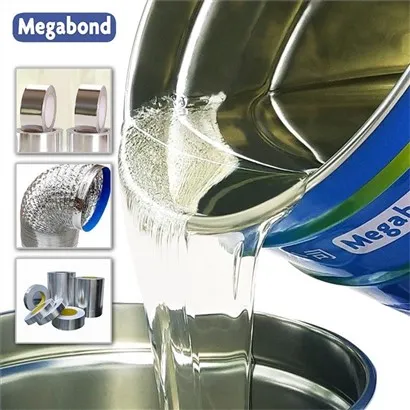


As a supplier of Polyurethane Glue laminating glue, I often encounter various questions from our customers. One of the frequently asked questions is, "Can I thicken polyurethane laminating glue?" This blog post aims to provide a comprehensive answer to this question, drawing on scientific knowledge and practical experience in the field.
Understanding Polyurethane Laminating Glue
Polyurethane laminating glue is a versatile adhesive widely used in various industries, including packaging, textiles, and electronics. It offers excellent bonding strength, flexibility, and resistance to environmental factors such as moisture and heat. The glue consists of two main components: a polyol and an isocyanate. When these two components are mixed, a chemical reaction occurs, resulting in the formation of a strong and durable bond.
Reasons for Thickening Polyurethane Laminating Glue
There are several reasons why you might want to thicken polyurethane laminating glue. One common reason is to improve the glue's viscosity, which can make it easier to apply. Thicker glue tends to stay in place better, reducing the risk of dripping or running during the laminating process. This can be particularly useful when working with vertical surfaces or when applying the glue in a high - speed production environment.
Another reason is to enhance the bond strength. In some cases, a thicker layer of glue can provide a stronger and more reliable bond between the materials being laminated. This is especially important when dealing with materials that have a low surface energy or when the laminating process requires a high level of durability.
Methods of Thickening Polyurethane Laminating Glue
Adding Thickeners
One of the most common methods of thickening polyurethane laminating glue is by adding thickeners. There are various types of thickeners available, including fumed silica, clay, and cellulose derivatives. Fumed silica is a popular choice because it can significantly increase the viscosity of the glue without affecting its chemical properties. It works by forming a three - dimensional network within the glue, which restricts the flow of the liquid.
Clay thickeners, such as bentonite, can also be used. They swell in the glue, increasing its volume and viscosity. Cellulose derivatives, like hydroxypropyl methylcellulose (HPMC), are water - soluble polymers that can be added to the glue to increase its thickness. However, it's important to note that adding too much thickener can lead to issues such as poor adhesion or reduced flexibility of the glue.
Adjusting the Mixing Ratio
Another way to thicken polyurethane laminating glue is by adjusting the mixing ratio of the polyol and isocyanate components. Increasing the proportion of the polyol can sometimes result in a thicker glue. However, this method requires careful control because changing the mixing ratio can also affect the curing time and the final properties of the glue. If the ratio is not correct, the glue may not cure properly, leading to a weak or brittle bond.
Considerations When Thickening Polyurethane Laminating Glue
Compatibility
When using thickeners, it's crucial to ensure that they are compatible with the polyurethane laminating glue. Some thickeners may react with the glue components, causing unwanted side effects such as discoloration, reduced adhesion, or a change in the curing time. It's recommended to conduct small - scale tests before adding the thickener to a large batch of glue.
Curing Time
Thickening the glue can also affect its curing time. A thicker layer of glue may take longer to cure, especially if the thickener has an impact on the chemical reaction between the polyol and isocyanate. This can slow down the production process and may require adjustments to the curing conditions, such as increasing the temperature or the curing time.

Application Equipment
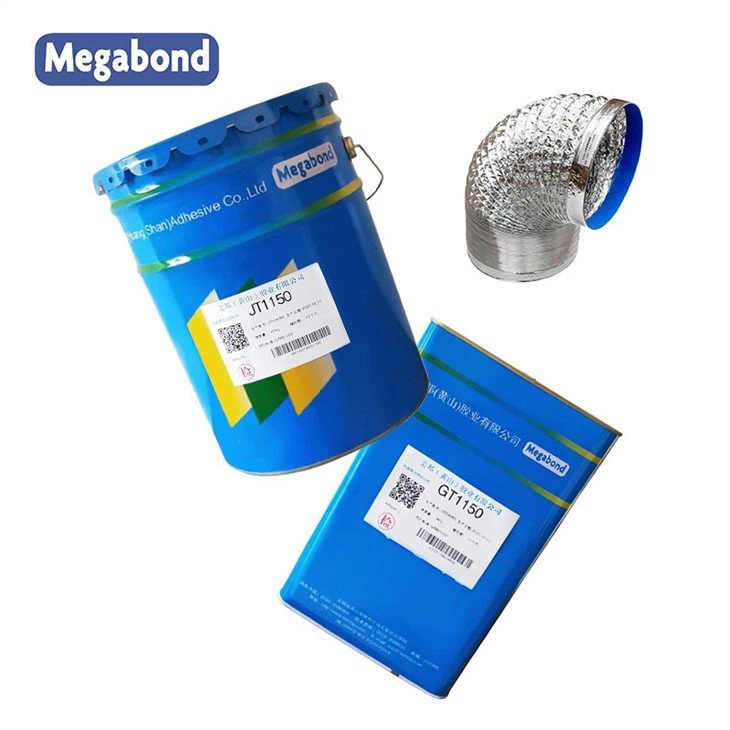
Thicker glue may require different application equipment. For example, if the glue becomes too thick, it may not flow through the nozzles or rollers of the laminating machine properly. You may need to use a more powerful pump or adjust the settings of the application equipment to ensure a smooth and even application.
Our Product Range
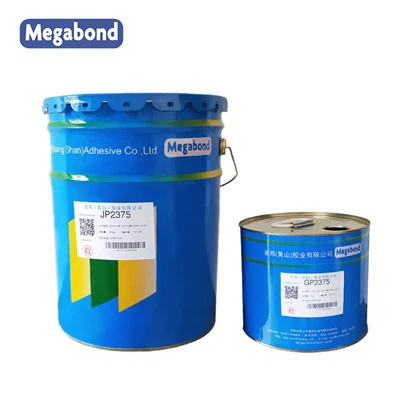
As a supplier of Polyurethane Glue laminating glue, we offer a wide range of products to meet different customer needs. Our Solvent - based AL Copper Material Laminating Adhesive is specifically designed for laminating aluminum and copper materials. It provides excellent bonding strength and resistance to corrosion.
Our Solvent - based DMD Insulation Laminating PU Glue is ideal for use in the insulation industry. It offers good electrical insulation properties and can withstand high temperatures.
We also have Solvent - based Metal Plastic Tinplate Laminating PU Glue, which is suitable for laminating metal, plastic, and tinplate materials. This glue provides a strong and durable bond, making it suitable for a variety of applications.
Conclusion
In conclusion, it is possible to thicken polyurethane laminating glue, and there are several methods available to achieve this. However, it's important to carefully consider the reasons for thickening, the methods used, and the potential impact on the glue's properties and the laminating process. By following the proper procedures and conducting thorough testing, you can successfully thicken the glue to meet your specific requirements.
If you are interested in our Polyurethane Glue laminating glue products or have any questions about thickening the glue, we encourage you to contact us for further discussion and procurement negotiation. Our team of experts is ready to provide you with professional advice and support to ensure that you find the best solution for your needs.
References
- "Handbook of Adhesive Technology" by Andrew Pizzi and K. L. Mittal
- "Polyurethane Handbook" by Gunter Oertel