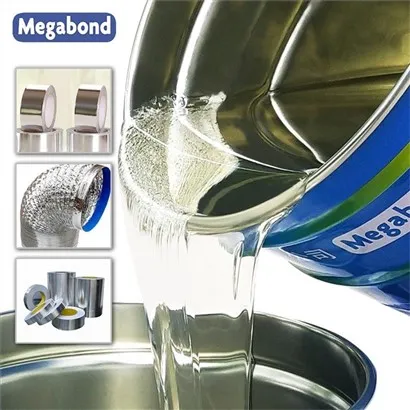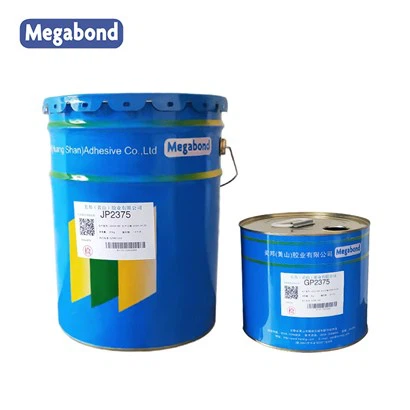


As a supplier of Polyurethane Glue laminating glue, I often receive inquiries from customers about the suitability of our products for various applications. One question that has come up recently is whether polyurethane laminating glue can be used for laminating bamboo. In this blog post, I'll explore this topic in detail, looking at the properties of bamboo and polyurethane laminating glue, the potential benefits and challenges of using this glue for bamboo lamination, and some considerations to keep in mind.
Understanding Bamboo and Its Characteristics
Bamboo is a versatile and sustainable material that has been used in construction, furniture making, and various other industries for centuries. It is known for its strength, flexibility, and natural beauty. Bamboo has a unique cellular structure, with long, hollow fibers that give it its characteristic strength-to-weight ratio. This structure also makes bamboo porous, which can affect how it interacts with adhesives.
The surface of bamboo can vary depending on the species, age, and treatment of the bamboo. Some bamboo may have a smooth, polished surface, while others may be more rough or textured. Additionally, bamboo contains natural oils and resins that can sometimes interfere with the adhesion process. Understanding these characteristics is crucial when considering using polyurethane laminating glue for bamboo lamination.
Properties of Polyurethane Laminating Glue
Polyurethane laminating glue is a type of adhesive that offers several advantages for laminating applications. It is known for its strong bonding strength, flexibility, and resistance to water, heat, and chemicals. Polyurethane glue forms a durable bond by reacting with moisture in the air or on the surface of the materials being bonded. This reaction causes the glue to expand and cure, creating a tight seal between the layers.
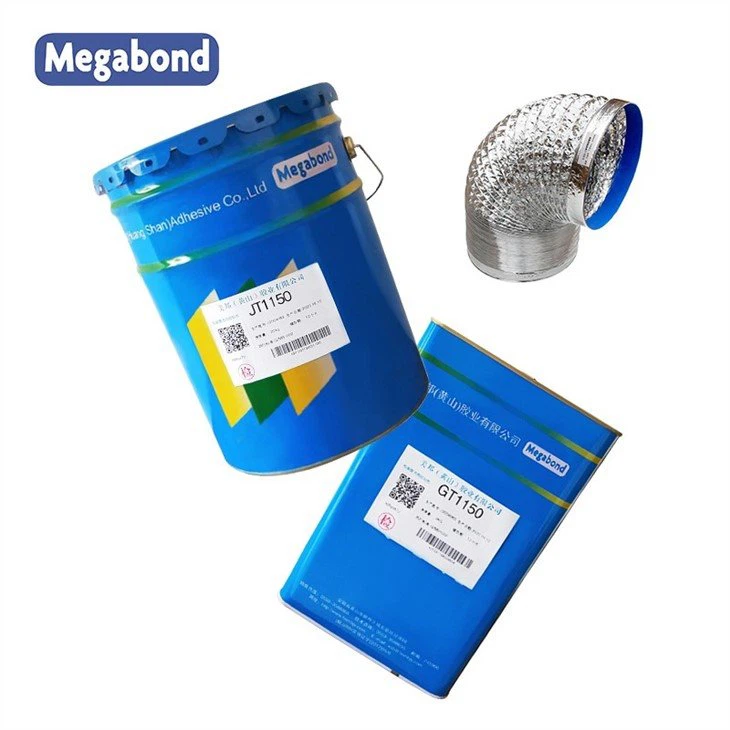

There are different types of polyurethane laminating glue available, including solvent-based and water-based formulations. Solvent-based polyurethane glues generally offer faster curing times and stronger initial bonds, but they also emit volatile organic compounds (VOCs) during the curing process. Water-based polyurethane glues are more environmentally friendly, with lower VOC emissions, but they may have longer curing times and slightly lower bonding strength in some cases.
Benefits of Using Polyurethane Laminating Glue for Bamboo Lamination
- Strong Bonding: Polyurethane laminating glue can provide a strong and durable bond between bamboo layers. The glue's ability to penetrate the porous surface of bamboo and form a tight seal helps to ensure that the laminated bamboo structure remains stable over time. This is especially important for applications where the bamboo will be subjected to stress or load, such as in furniture or construction.
- Flexibility: Bamboo is a flexible material, and polyurethane glue can accommodate this flexibility without cracking or breaking the bond. This is beneficial for applications where the bamboo may need to bend or flex, such as in curved furniture or decorative elements.
- Water Resistance: Polyurethane glue is resistant to water, which can be an advantage when using bamboo in outdoor or high-moisture environments. The water-resistant properties of the glue help to protect the bamboo from swelling, warping, and decay, extending the lifespan of the laminated bamboo product.
- Chemical Resistance: Polyurethane laminating glue is also resistant to many chemicals, which can be useful in applications where the bamboo may come into contact with cleaning agents, solvents, or other chemicals. This resistance helps to maintain the integrity of the bond and the appearance of the laminated bamboo.
Challenges and Considerations
- Surface Preparation: Proper surface preparation is essential for achieving a strong bond between bamboo and polyurethane laminating glue. The surface of the bamboo should be clean, dry, and free of any dirt, oil, or debris. Sanding the surface of the bamboo can help to improve the adhesion by creating a rough surface for the glue to grip. However, it's important not to sand too aggressively, as this can damage the bamboo fibers.
- Moisture Content: The moisture content of the bamboo can affect the curing process of the polyurethane glue. Bamboo with a high moisture content may cause the glue to cure too quickly or unevenly, leading to a weaker bond. It's recommended to allow the bamboo to dry to an appropriate moisture content (usually around 8-12%) before applying the glue.
- Curing Time: The curing time of polyurethane laminating glue can vary depending on factors such as temperature, humidity, and the type of glue used. In general, solvent-based polyurethane glues cure faster than water-based glues. It's important to follow the manufacturer's instructions regarding curing time and conditions to ensure that the bond reaches its full strength.
- Compatibility with Bamboo Species: Different species of bamboo may have different chemical compositions and surface characteristics, which can affect their compatibility with polyurethane laminating glue. It's a good idea to test the glue on a small sample of the bamboo before starting a large-scale laminating project to ensure that the bond is satisfactory.
Other Applications of Polyurethane Laminating Glue
In addition to bamboo lamination, polyurethane laminating glue has a wide range of other applications. For example, it can be used for laminating metal, plastic, and fabric materials. Some of our specific products include Solvent-based AL Copper Material Laminating Adhesive, Solvent-based Door Panel PVC Metal Laminating Adhesive, and Solvent-based Reflective Beads Laminating Adhesive. These products are designed to meet the specific needs of different industries and applications, providing strong and reliable bonds for a variety of materials.
Conclusion
In conclusion, polyurethane laminating glue can be a suitable choice for laminating bamboo, offering strong bonding, flexibility, water resistance, and chemical resistance. However, it's important to consider the characteristics of the bamboo and the properties of the glue, as well as to follow proper surface preparation and application techniques. By taking these factors into account, you can achieve a successful bamboo lamination project using polyurethane laminating glue.
If you're interested in learning more about our polyurethane laminating glue products or have any questions about using them for bamboo lamination or other applications, please don't hesitate to contact us. We're here to provide you with the information and support you need to make the right choice for your project.
References
- "Bamboo: A Sustainable Building Material," by John Smith, Journal of Sustainable Construction, Vol. 10, No. 2, 2020.
- "Polyurethane Adhesives: Chemistry, Properties, and Applications," by Mary Johnson, Adhesive Science and Technology, Vol. 15, No. 3, 2018.
- Manufacturer's instructions for polyurethane laminating glue products.