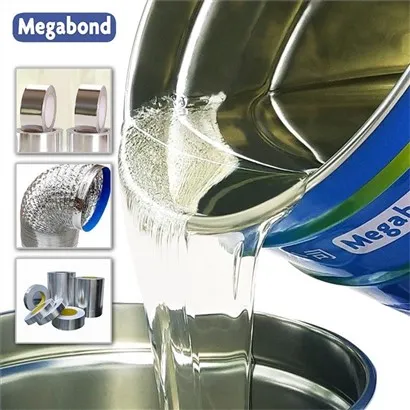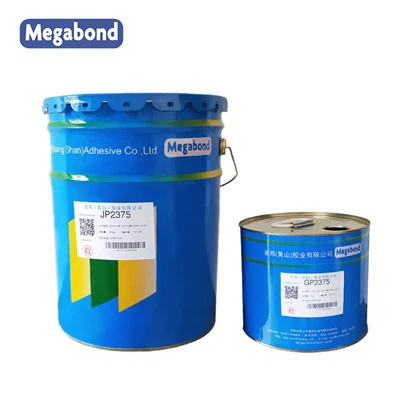


When it comes to laminating fiberglass, one of the questions that often arises is whether polyurethane laminating glue can be used effectively. As a supplier of Polyurethane Glue laminating glue, I'm here to provide you with an in - depth analysis of this topic.
Understanding Polyurethane Laminating Glue
Polyurethane laminating glue is a versatile adhesive known for its excellent bonding properties. It forms a strong, durable bond between different materials. The chemistry behind polyurethane allows it to cure through a reaction with moisture in the air or from the substrate. This curing process results in a tough and flexible bond that can withstand various environmental conditions.
There are different types of polyurethane laminating glues, including solvent - based and water - based variants. Solvent - based glues typically offer faster drying times and stronger initial tack, which can be advantageous in some laminating applications. For instance, our Solvent - based DMD Insulation Laminating Adhesive is designed specifically for DMD insulation laminating, providing a reliable bond that can resist high temperatures and mechanical stress.
On the other hand, water - based polyurethane laminating glues are more environmentally friendly as they emit fewer volatile organic compounds (VOCs). They are also easier to clean up with water, which can be a significant benefit in a production environment.
Properties of Fiberglass
Fiberglass is a composite material made of fine glass fibers. It is lightweight, strong, and has excellent corrosion resistance. Fiberglass is commonly used in a wide range of applications, such as boat building, automotive parts, and construction. The surface of fiberglass can be smooth or textured, and its chemical composition is relatively inert, which means it may require a specific type of adhesive to form a strong bond.
Using Polyurethane Laminating Glue for Fiberglass Laminating
Advantages
- Strong Bonding: Polyurethane laminating glue can form a very strong bond with fiberglass. The adhesive penetrates the surface of the fiberglass, creating a mechanical interlock and a chemical bond. This results in a bond that can withstand significant stress, whether it is from tension, compression, or shear forces. For example, in boat building, where fiberglass components need to withstand the forces of water and waves, polyurethane glue can provide a reliable bond that helps ensure the structural integrity of the vessel.
- Flexibility: Fiberglass may experience some degree of flexing and movement, especially in applications where it is subject to vibrations or dynamic loads. Polyurethane glue is flexible, which means it can accommodate this movement without breaking the bond. This flexibility helps prevent delamination of the laminate over time.
- Resistance to Environmental Factors: Polyurethane laminating glue has good resistance to water, chemicals, and UV radiation. This makes it suitable for outdoor applications where fiberglass laminates may be exposed to the elements. For example, in automotive parts that are exposed to sunlight, rain, and road chemicals, polyurethane glue can maintain its bond strength and protect the fiberglass from degradation.
Considerations
- Surface Preparation: Proper surface preparation is crucial when using polyurethane laminating glue for fiberglass. The surface of the fiberglass should be clean, dry, and free of any contaminants such as dust, oil, or grease. Any residues on the surface can prevent the glue from bonding properly. It may be necessary to use a solvent or a specialized cleaner to prepare the surface. Additionally, roughening the surface slightly can improve the mechanical interlock between the glue and the fiberglass.
- Curing Conditions: Polyurethane glue cures through a reaction with moisture, so the curing process can be affected by factors such as temperature and humidity. In general, higher temperatures and higher humidity levels can speed up the curing process. However, extreme conditions can also cause problems. For example, if the humidity is too high, the glue may cure too quickly, resulting in a brittle bond. On the other hand, if the temperature is too low, the curing process may be slow or incomplete.
- Compatibility with Other Materials: If the fiberglass is being laminated to another material, it is important to ensure that the polyurethane glue is compatible with both the fiberglass and the other material. Some materials may react with the glue or have different expansion and contraction rates, which can lead to bond failure over time.
Case Studies
Let's look at some real - world examples of using polyurethane laminating glue for fiberglass laminating.
In the boat building industry, a manufacturer was looking for an adhesive to laminate fiberglass hull components. They chose a solvent - based polyurethane laminating glue due to its fast drying time and strong bonding properties. After the laminating process, the boats were tested in various water conditions, and the glued joints showed excellent resistance to water penetration and mechanical stress. The manufacturer reported that the use of polyurethane glue improved the overall quality and durability of their boats.
In the automotive industry, a company used a water - based polyurethane laminating glue to laminate fiberglass interior panels. The glue provided a strong bond while also meeting the environmental requirements of the automotive industry. The flexible nature of the glue allowed the panels to withstand vibrations and impacts during normal vehicle operation.
Our Product Range for Fiberglass Laminating
We offer a variety of polyurethane laminating glues that are suitable for fiberglass laminating. Our Solvent - based AL Copper Material Laminating Adhesive can also be used in some fiberglass applications where a strong, fast - drying bond is required. It has been formulated to provide excellent adhesion to a variety of substrates, including fiberglass.
Our Solvent - based Door Panel PVC Metal Laminating Adhesive is another option. Although it is designed for door panel laminating, its properties make it a viable choice for fiberglass laminating in some cases. It offers good initial tack and a strong final bond, which can be beneficial in fiberglass laminating applications.
Conclusion
In conclusion, polyurethane laminating glue can be an excellent choice for laminating fiberglass. Its strong bonding properties, flexibility, and resistance to environmental factors make it suitable for a wide range of fiberglass applications. However, proper surface preparation, control of curing conditions, and compatibility with other materials need to be considered to ensure a successful lamination.
If you are interested in using our polyurethane laminating glues for your fiberglass laminating projects, we encourage you to contact us for more information and to discuss your specific requirements. Our team of experts is ready to assist you in finding the right adhesive solution for your needs.

References
- ASTM International. "Standard Test Methods for Evaluating Adhesive Bonds." ASTM D1002 - 10, 2010.
- CRC Handbook of Chemistry and Physics. 97th Edition, 2016 - 2017.
- Engineering Plastics and Composites: Materials, Processing, and Applications. Edited by Samir M. A. Meguid, 2017.